

Simple outdoor kitchen ideas are your answer if you want to add real value and function to your backyard without spending a fortune. Whether you rent or own, creating a usable outdoor kitchen is within reach—even if you know little about home improvement. Let’s get practical about exactly what works, what it costs, and how to avoid rookie mistakes your neighbors wish they’d known.
Key Takeaways
- Outdoor kitchens can fit almost any budget—basic setups start at around $4,000 with prefab units, while elaborate builds can exceed $30,000.
- The main budget breakers? Labor costs and “scope creep.” Plan features up front and prioritize the must-haves.
- Most guides skip real regret and DIY solutions—learn from true homeowner mistakes to build smarter, not just cheaper.
- Simple Outdoor Kitchen Ideas That Won’t Break the Bank
- What Does a Budget Outdoor Kitchen Cost? (2024 Breakdown)
- Real Pain Points: What Homeowners Wish They’d Known
- Smart Material Choices: Balancing Affordability, Durability, and Style
- Climate & Safety: Don’t Ignore These Outdoor Essentials
- Space-Saving & DIY Solutions That Pros Overlook
- Final Checklist: Avoiding Costly Mistakes
- Conclusion
- FAQ
Simple Outdoor Kitchen Ideas That Won’t Break the Bank
If you’ve searched for simple outdoor kitchen ideas, you’ve probably seen glossy upgrades and pro installs that cost a small fortune. The reality: you can achieve both function and style—and cook outdoors without draining your savings. Budget outdoor kitchen designs that work include prefab grill islands, modular kits, and classic DIY builds (even with cinder block and concrete board). The trick is investing where it matters: the grill, prep space, and weather protection.
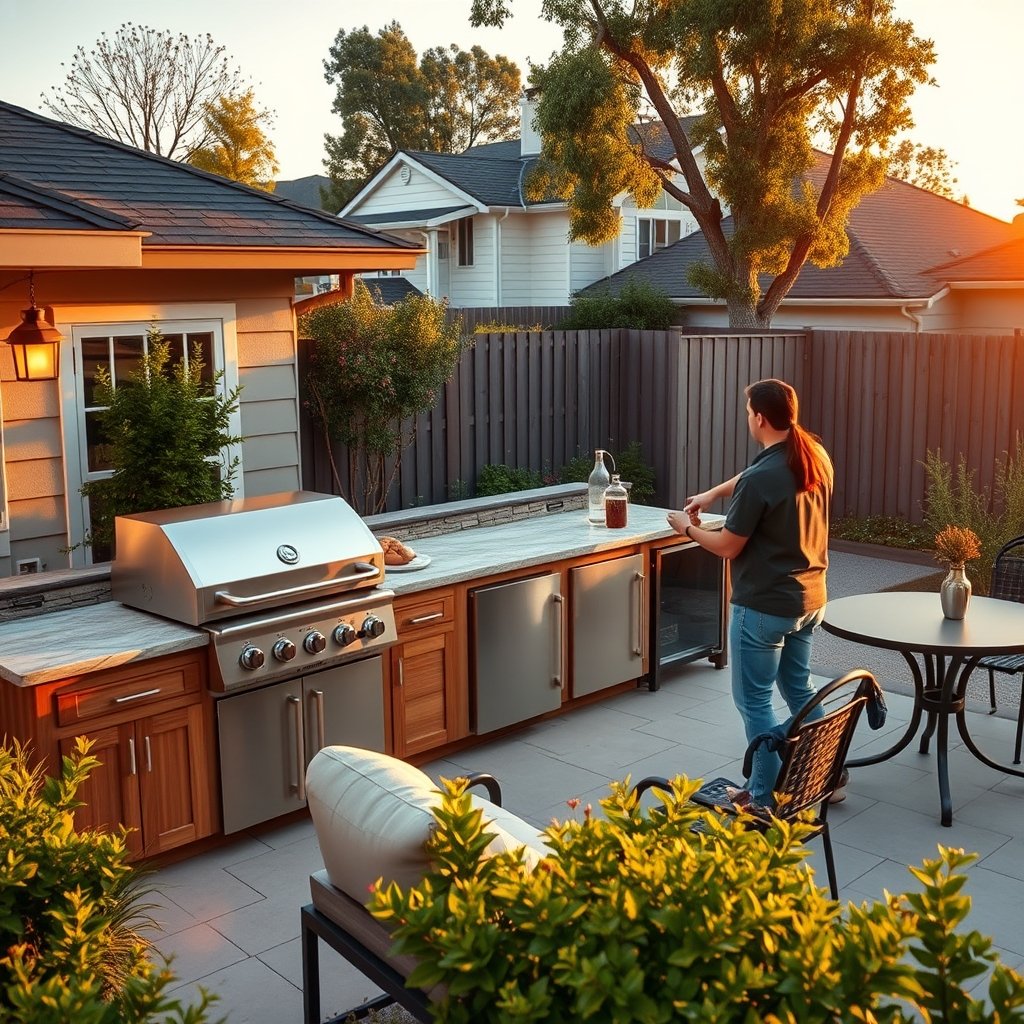
Basic prefab kits start at $250–$475 per linear foot, making them a smart way to get grilling fast. A minimalist setup can be done for $4,000–$18,000—without pro labor or luxury add-ons—while giving you all the essential functions: a built-in grill, a bit of counter space, and storage. For a deeper dive into layout inspiration and essential features, see our guide to outdoor kitchen layout ideas.
Did you know? National averages for outdoor kitchens range from $6,000–$30,000, but by focusing on basics and DIY solutions, you can land on the lower end of that spectrum. Learn more about average costs and budgeting from this cost breakdown.
What Does a Budget Outdoor Kitchen Cost? (2024 Breakdown)
Let’s get into the numbers. Understanding the real price of a simple outdoor kitchen saves you from surprises—and lets you prioritize for maximum value.
Here’s a realistic breakdown based on recent data for 2024:
- Built-in Grill: $1,000–$5,000+
- Countertops: $50–$150+ per sq ft
- Cabinets/Storage: $500–$1,200+ per linear ft
- Outdoor Refrigerator (optional): $300–$3,000+
- Sink/Plumbing (optional): $1,000–$5,000+
Prefab islands for basic setups start at $250–$475 per linear foot. Labor is typically 30–50% of the total cost—so doing it yourself is where the biggest savings are found.
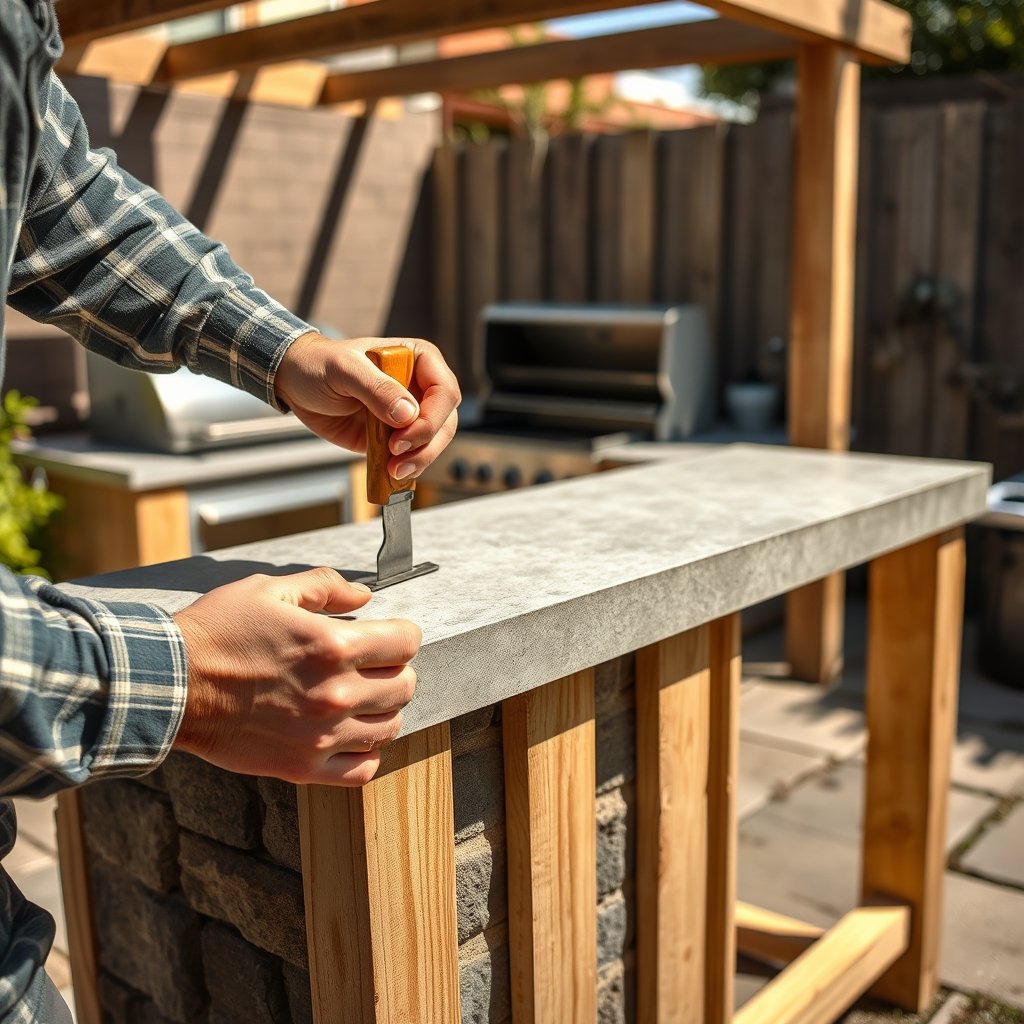
For a small 6–10 foot setup:
- Prefab kit: $1,500–$4,500 (plus grill)
- DIY build with cinder blocks & low-cost counters: $1,000–$2,500 (excluding grill)
- Professional custom: $5,000–$15,000+
For more ideas on getting the best bang for your buck, check out our advice on budget outdoor kitchen materials.
Save even more: Repurpose weather-resistant indoor cabinets, or use unfinished wood sealed for outdoor use. Visit the BBQGuys cost guide for more detailed price comparisons by region.
Real Pain Points: What Homeowners Wish They’d Known
Most guides gloss over budget disasters and buyer’s remorse. Here’s what happens in real life with budget outdoor kitchen designs:
| Common Pitfall | Why It’s Costly | How to Avoid |
|---|---|---|
| Labor & Permitting Surprises | Labor often eats up 30–50% of your budget. Permitting costs/inspections can add hundreds. | DIY where possible; check local ordinances before you start. Use prefab when you can. |
| Scope Creep | You add more features mid-build—budget balloons, project drags on. | Define “must haves” before spending. Stick to the core appliances. |
| Seasonal Use Issues | Rain, sun, or wind make the space unusable much of the year. | Invest in basic shelter—pergolas, awnings, or a waterproof grill cover. |
| Lack of Storage | Clutter and weather exposure reduce enjoyment and increase repairs. | Incorporate enclosed storage or waterproof bins up front. |
According to homeowner forums and aggregated expert feedback, the three most underreported mistakes or regrets are:
- Not accounting for the high labor cost vs. DIY savings.
- Underestimating how often the kitchen is usable due to weather or bugs.
- Overcomplicating design—trying to replicate luxury setups instead of solving for function.
If you want more on troubleshooting backyard projects, don’t miss our most common outdoor kitchen mistakes resource.
For additional insight, see this complete cost and design guide.
Smart Material Choices: Balancing Affordability, Durability, and Style
The best budget outdoor kitchen designs use materials built to last without blowing your budget. Here’s what works—and what to skip:
- Frames: Galvanized steel and concrete block (cinder block) are low-cost, fireproof, and easy for DIYers. Avoid untreated wood—it rots outdoors.
- Countertops: Concrete is the value winner, offering long-term durability for $50–$100 per sq ft. Tile is also affordable but can crack in freeze-thaw climates. Skip granite unless you find leftovers or off-cuts.
- Cabinetry/Storage: Look for marine-grade polymer or stainless steel. Repurposed kitchen cabinets (sealed and elevated off the ground) work on a budget if protected from direct rain.
- Prefab Kits: Fast and relatively cheap. Downside? Most lack long-term style and haven’t been durability tested against custom builds.
If you’re weighing prefab vs. custom, consider this: modular setups are easy to upgrade, but may not hold up as stylishly. See our detailed guide to outdoor kitchen cabinets for more material comparisons.
For cost comparisons and advice on materials, visit this external resource.
Climate & Safety: Don’t Ignore These Outdoor Essentials
Many articles skip the essentials: structural safety and climate protection. Before you build, ask:
- Is your deck (if elevated) strong enough for an outdoor kitchen? Most decks aren’t designed for heavy loads—consult a pro if unsure.
- What’s your weather risk? Sun, wind, and rain all age materials. Grills and electrics must meet outdoor safety codes. Waterproof covers and shelters are the single best upgrade for year-round use.
- Is there a fire hazard? Keep flame sources away from overhangs and fencing.
Most cost guides barely mention deck reinforcement or permitting requirements. Weather-related damage can quickly eat into your budget. Consider location and basic shelter—even a simple canopy or pergola can extend usability by months. Data on kitchen damage is scarce, but user experience says: think long-term, not just first summer.
For more on safe prep and climate considerations, see our guide to protecting outdoor kitchens.
Space-Saving & DIY Solutions That Pros Overlook
Professional installers rarely mention clever tricks for small yards or renters. Here are ideas that work and save money:
- Fold-down counters: Use heavy-duty folding brackets and a waterproof board. When space is tight, fold away after use.
- Storage benches with hidden compartments: These double as prep space and weatherproof storage—ideal for small patios.
- Rolling kitchen carts: Park one next to your grill, then store it inside or under cover. Works for renters and those in variable climates.
- DIY modular islands: Build in sections and assemble on site. Easier to move and adapt if you relocate.
- Repurpose materials: Use leftover pavers, bricks, or reclaimed wood (properly sealed) to form counters or shelving.
Want more? Our DIY outdoor kitchen ideas post shows bonus layouts and tutorials you won’t find in pro installer guides.
Remember: top guides usually skip these hacks, so you’ll get more function for less if you look beyond pro layouts.
Final Checklist: Avoiding Costly Mistakes
Before you order a grill or start stacking blocks, use this project-saving checklist to avoid hidden regrets:
- Define non-negotiables (grill, shelter, storage) and decide on “nice to haves” (fridge, sink) later.
- Budget for labor—even if you plan mostly DIY. Unexpected tasks (leveling, electric, permits) can eat up 30–50% if you outsource.
- Guard against weather. Use waterproof covers, seal wood, and consider a canopy or pergola.
- Check deck or patio load capacity before placing anything heavy.
- Keep it flexible. Start with modular, movable elements so you can upgrade or adapt your kitchen as needs change.
- Don’t try to copy luxury builds unless you have a luxury budget.
Learn from others by reviewing our dedicated articles on outdoor kitchen regrets to avoid and planning outdoor kitchen storage.
No top guide today lists user-inspired regret checklists—make your project stress free from the start.
Conclusion
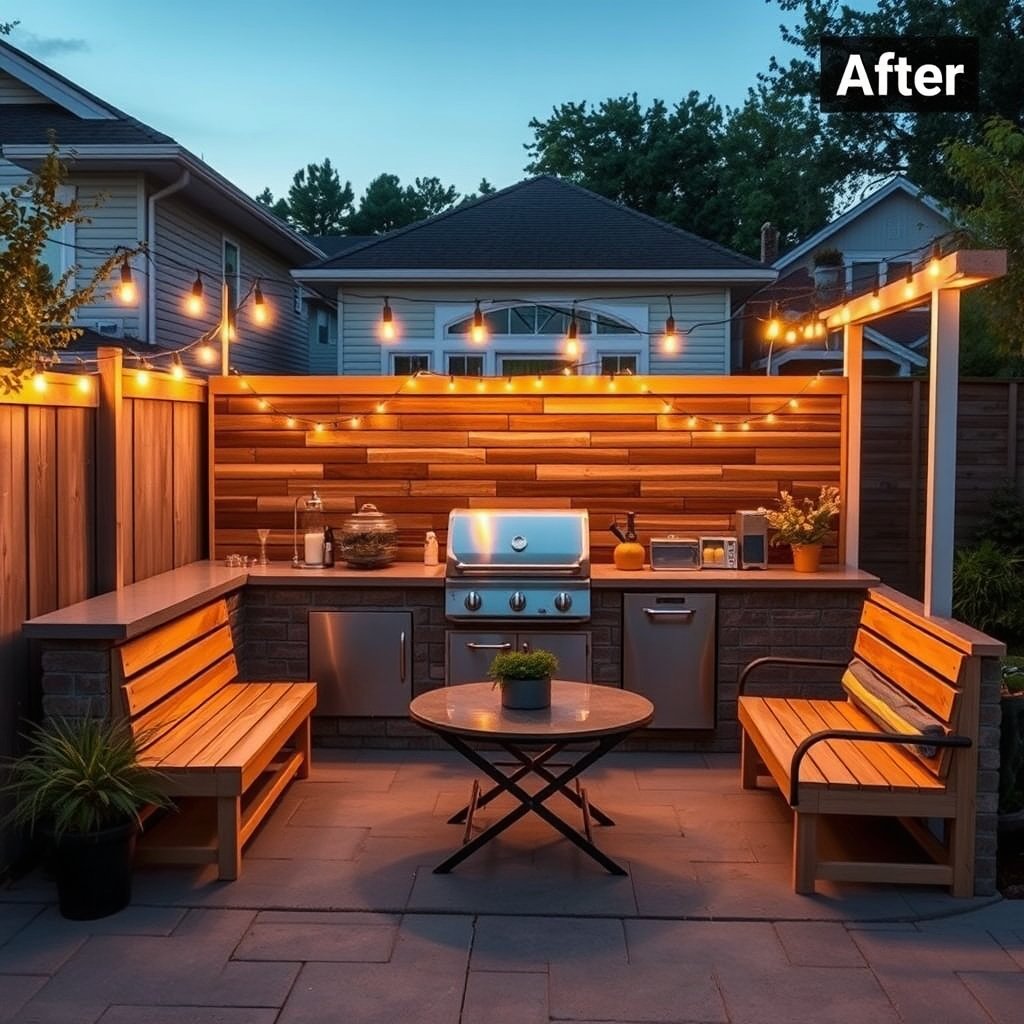
Simple outdoor kitchen ideas put entertaining, comfort, and real value within reach, even if you’re on a tight budget. Focus on essentials, look for material and prefab savings, and learn where DIY beats hiring out. Don’t forget the “small stuff” like storage or shelter—these make all the difference. Ready to turn your backyard into your favorite new room? Start planning your simple outdoor kitchen ideas today, and revisit our guides for more in-depth ideas and cost-saving strategies.
If you found this useful, explore more inspiration on the best outdoor kitchen grills and subscribe for updates on real-life, budget-friendly home DIY.
Frequently Asked Questions
What is the cheapest way to build a simple outdoor kitchen?
The cheapest route is a DIY build with cinder blocks or concrete board, a prefab grill, and some reclaimed wood or slab for counters. Skip water lines and electric runs if you want to stay under $2,500 for a minimal setup.
How do I weatherproof my outdoor kitchen on a budget?
Use waterproof grill covers, seal any wood, and add a simple canopy or pergola. Affordable prefab shelters start around $100–$300 and dramatically extend the lifespan of your setup.
Can I add a sink or fridge later if I start basic?
Absolutely. Design your base island or layout with extra space or modular cutouts, so you can retrofit a sink or mini fridge when budget allows. Just confirm there’s an accessible electric or water line nearby, or be prepared for extra labor later.
Is a permit required for a small outdoor kitchen?
It depends on your city and whether you’re installing gas lines, plumbing, or electric. Always check with local authorities and HOA rules before building. Most basic, portable kitchens need no permit.