
Non-toxic food storage containers are more than a wellness buzzword—they are a real defense against toxins like BPA and phthalates that have been proven to harm your family’s health. If you’re seeking safer ways to store and serve food, read on for science-backed advice, actionable steps, and the hidden facts that typical “BPA-free” labels don’t reveal.
Key Takeaways
- Many “BPA-free” or “food safe” containers still contain toxic chemicals—always check the material, not just the label.
- Glass, stainless steel, and porcelain are proven to be the safest options for non-toxic food storage containers.
- Heating and long-term storage in plastic containers—especially those with recycling codes #3 or #7—magnifies the risk of toxin exposure.
- Why Non-Toxic Food Storage Containers Matter
- Step-by-Step Guide: Choose and Use Non-Toxic Containers
- Advanced Analysis & Common Pitfalls
- Conclusion
- FAQ
Why Non-Toxic Food Storage Containers Matter
Most everyday food containers are made with plastics that can leach chemicals into the foods we eat—especially when they’re heated or used for long-term storage. BPA (Bisphenol-A) and phthalates, two commonly used plasticizers, are now linked to serious health concerns, including autoimmune disease, endocrine disruption, cancer, fertility trouble, type 2 diabetes, and thyroid issues (source). Young children, pregnant people, and anyone with underlying health risks are especially vulnerable.
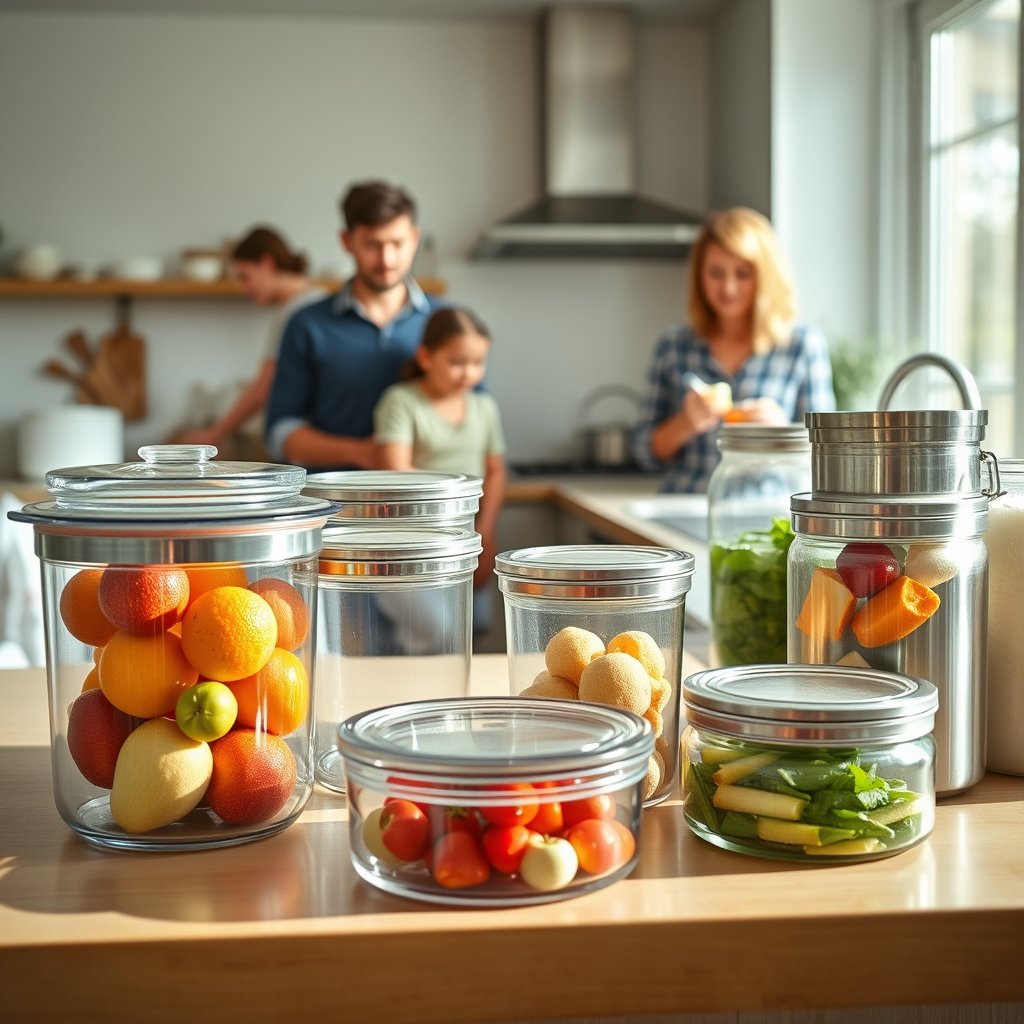
Despite growing awareness, toxic plastics are still everywhere: in water bottles, leftover tubs, baby food containers, even “BPA-free” sippy cups. The reality: marketing claims don’t always guarantee product safety. For many families, exposure comes from habits as simple as microwaving leftovers or storing tomato sauce overnight in the fridge.
Taking control of what goes on your shelves means learning the real risks—and the surprisingly simple material swaps that eliminate them.
Want to compare features or see practical options? See our best glass food storage containers guide or explore eco-friendly food storage options.
Step-by-Step Guide: Choose and Use Non-Toxic Containers
Ready to upgrade your kitchen and protect your family’s wellbeing? Follow these steps for finding, choosing, and safely using non-toxic food storage containers:
- Check the Material First.
- Best picks: Glass (especially borosilicate), stainless steel (food-grade 304 or 316), or porcelain/ceramic without lead glazes.
- Use caution: Most plastics—even “BPA-free” ones—are risky. Avoid containers with recycling code #3 (PVC) or #7 (“Other”), which can hold plasticizers. Black or colored plastics are especially problematic when heated (source).
- Decode the Labels.
- “BPA-free” doesn’t mean toxin-free—many replacements like bisphenol S, B, or F can be just as harmful, with some linked to DNA damage and cancer (source).
- “Phthalate-free” offers some assurance, but only six are currently banned in children’s products, and others are often unchecked.
- “Food safe” is a general term and is not regulated strictly in the US—products might still leach chemicals under common use (like microwaving).
- Use Certified Non-Toxic and Eco-Friendly Containers.
- Look for LFGB (Europe), Prop 65 (California), or strict FDA certifications—these offer stronger material safety, though none are perfect. Choose transparent brands over vague “eco-friendly” claims.
- Biodegradable containers can be eco-friendly but sometimes degrade or leach under heat—use them for dry goods instead of hot soups or sauces.
- Store and Heat Food Safely.
- Never microwave food in plastic (even “safe” types), black, or colored containers. Heat and acidic foods increase chemical leaching risk.
- Use glass or ceramic for reheating. Only use containers listed as “microwave safe” and “lead free.”
- Transfer food to safe containers for storage—don’t leave hot leftovers in takeout or disposable tubs.
Learn more about safe leftover storage.
- Longevity and Practical Fit.
- Glass and steel last longer and remain toxin-free. While glass can break, steel containers won’t shatter and are ideal for on-the-go meals or kids’ lunches. Biodegradable options often have the shortest lifespans and may not be water- or heat-proof.
- Check for lid quality and tightness to minimize leaks—widely reported inconvenience among busy families.
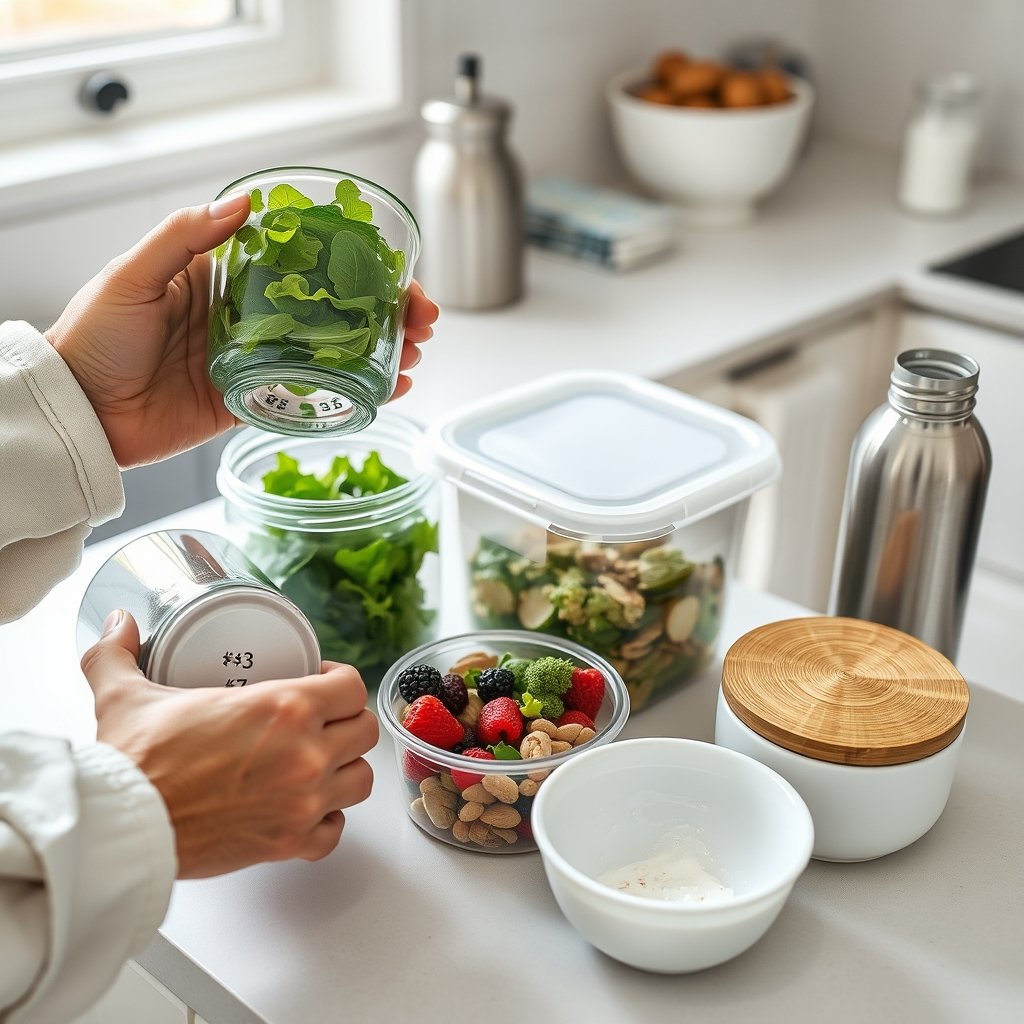
Tip: For meal prep, check our in-depth toxin-free meal prep containers breakdown. For family lunches, see our pick of the best non-toxic lunch containers.
Advanced Analysis & Common Pitfalls
Even well-informed shoppers fall for misleading claims or overlook the habits that cause the most harm. Here are the real risks and lesser-known pitfalls—plus how the main materials and certifications compare:
| Material | Toxin Risk | Longevity | Eco-Friendliness | Practical Drawbacks |
|---|---|---|---|---|
| Glass | None* (unless painted or glazed with lead) | 10+ years | Highly recyclable | Heavy, can shatter |
| Stainless Steel | None* | 10+ years | Recyclable; long lifespan | Not microwave safe; can dent |
| Porcelain/Ceramic | Low (if lead/cadmium free) | 5-10 years | Reusable; variable recyclability | Can chip or break; watch for glazes |
| Plastic (even “BPA-free”) | High (especially #3, #7) | 1-3 years (often degrades or stains) | Rarely recycled; microplastic risk | Risk rises with heat/time; may not seal tightly |
| Biodegradable/Compostable | Low (if label is honest) | Varies; often short (<2 years) | Best for landfill impact | Can degrade with wet or hot foods; more breakage |
- Certification Gaps: No certification fully guarantees zero toxins—LFGB and Prop 65 are stronger than “food safe” but still limited (source).
- Hidden Leaching Risks: Plasticizers and flame retardants leach more with heating, acidic foods, or extended storage (source).
- Price and Practicality: Glass/steel cost more upfront but last years. Biodegradable options are cheaper but less durable. For family budgets, see our budget-friendly non-toxic containers tips.
- User Problems: No container is perfect. Glass can shatter, steel can dent and isn’t microwaveable, some reuseable lids lose tightness. Loss of leak-proofing is the most frequent user complaint (data lacking, more research is needed here).
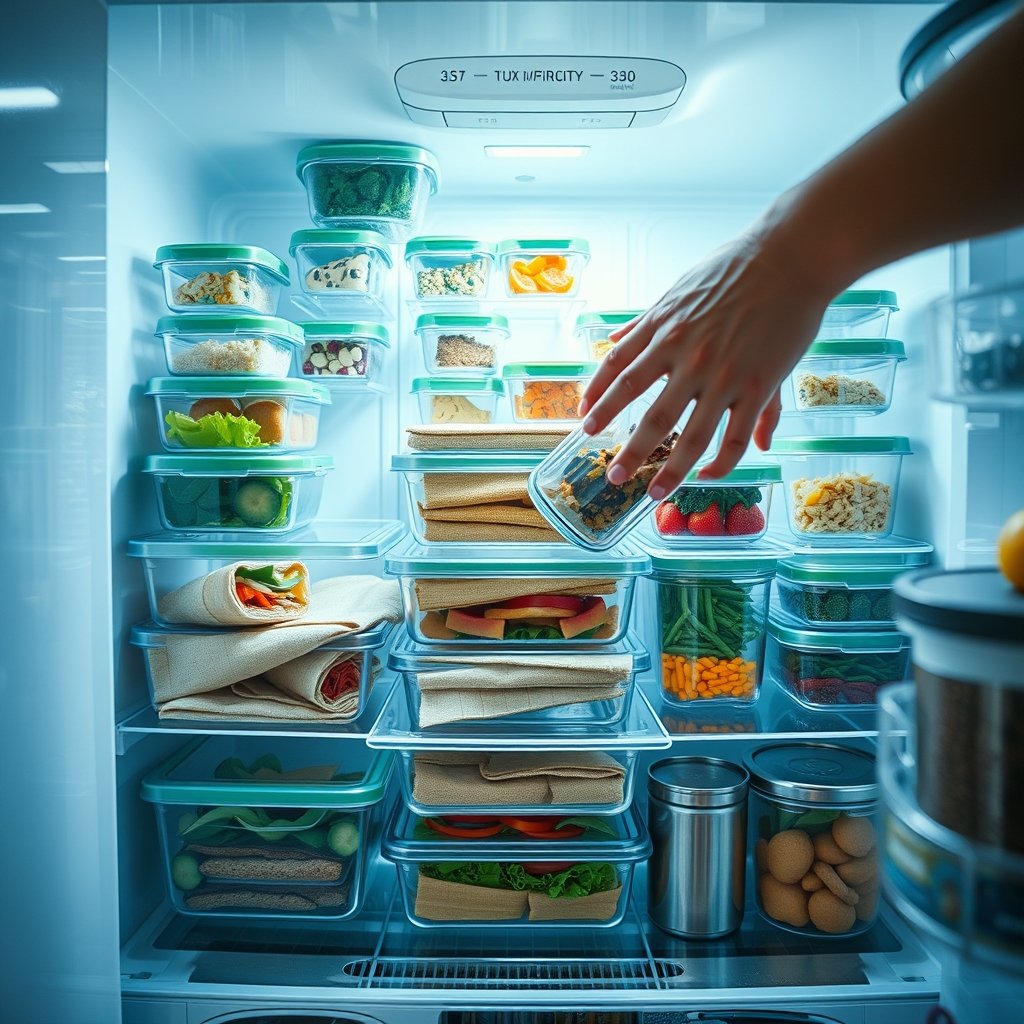
Bottom line: Avoid recycled codes 3 or 7, don’t heat food in black or colored plastic, and replace old or scratched containers regularly. For hassle-free on-the-go options, check our eco-friendly snack containers recommendations.
Conclusion
When it comes to food safety and family health, material matters far more than any front-of-package label. Glass, steel, and porcelain offer true peace of mind for non-toxic food storage containers—while “BPA-free” plastics may not be as safe as they sound. Make every meal safer by avoiding plastic for heating or long storage, choosing containers with clear certifications, and replacing damaged or mystery-material bins.
Ready to overhaul your storage and protect what matters most? Shop smart, use non-toxic food storage containers, and revisit our own Complete Guide to Safe Food Storage for trusted picks and extra best practices.
FAQ
Are BPA-free food storage containers completely non-toxic?
No. “BPA-free” means the product does not use Bisphenol-A, but can still contain other bisphenol analogs or phthalates that are equally concerning. Research from Denmark indicates BPA replacements may be just as toxic. Rely on the material more than the label.
What are the worst plastics to avoid for food storage?
Avoid plastics with recycling code #3 (PVC/vinyl) or #7 (“Other,” often polycarbonate). Black plastics and anything unlabelled are also suspect, especially for heating or storing acidic foods.
How long do eco-friendly or biodegradable containers last?
Most biodegradable containers degrade after a few months to two years, quicker if exposed to moisture or heat. For long-term durability, glass or stainless steel are much better options. There is limited research on direct lifespan comparisons.
What is the safest way to heat leftovers?
Transfer food to a glass or ceramic container before microwaving. Never heat food in any plastic, especially if it’s labeled #3, #7, or is black/colored. This reduces the risk of toxins leaching into your meal.
Do non-toxic containers cost more?
Upfront, yes—glass and steel are pricier than plastic. However, they last much longer (often years), which translates to better value over time. For budget tips, see our resource on affordable non-toxic storage containers.