

Microcement bathroom walls are redefining modern bathrooms with their seamless look, robust durability, and low-maintenance promise. But how does this trending finish really perform in 2024? This data-backed guide reveals the facts, pitfalls, and actual user experiences—so you can confidently decide if microcement is the right upgrade for your space.
Key Takeaways
- Microcement bathroom walls offer a seamless, modern finish with excellent water resistance, often surpassing tiled surfaces in longevity when installed correctly.
- Proper surface preparation, flexible products, and careful sealing are vital steps for durability—cutting corners can lead to cracks and water damage.
- Microcement tends to be more expensive upfront than tile but compensates with reduced maintenance and a grout-free, mold-resistant surface.
- Understanding Microcement for Bathroom Walls and Floors
- Step-by-Step Best Practices for Applying Microcement Walls
- Durability and Common Pitfalls: What to Know in 2024
- Conclusion
- Frequently Asked Questions
Understanding Microcement for Bathroom Walls and Floors
Microcement is a modern, thin-layer cement-based coating that delivers a smooth, groutless finish ideal for wet rooms and bathrooms. Its main appeal comes from the seamless look and its adaptability—it works on walls, floors, and even bathroom countertops. Unlike traditional tiles, microcement bathroom walls eliminate grout lines, providing a continuous surface that reduces places for mold and dirt to collect.
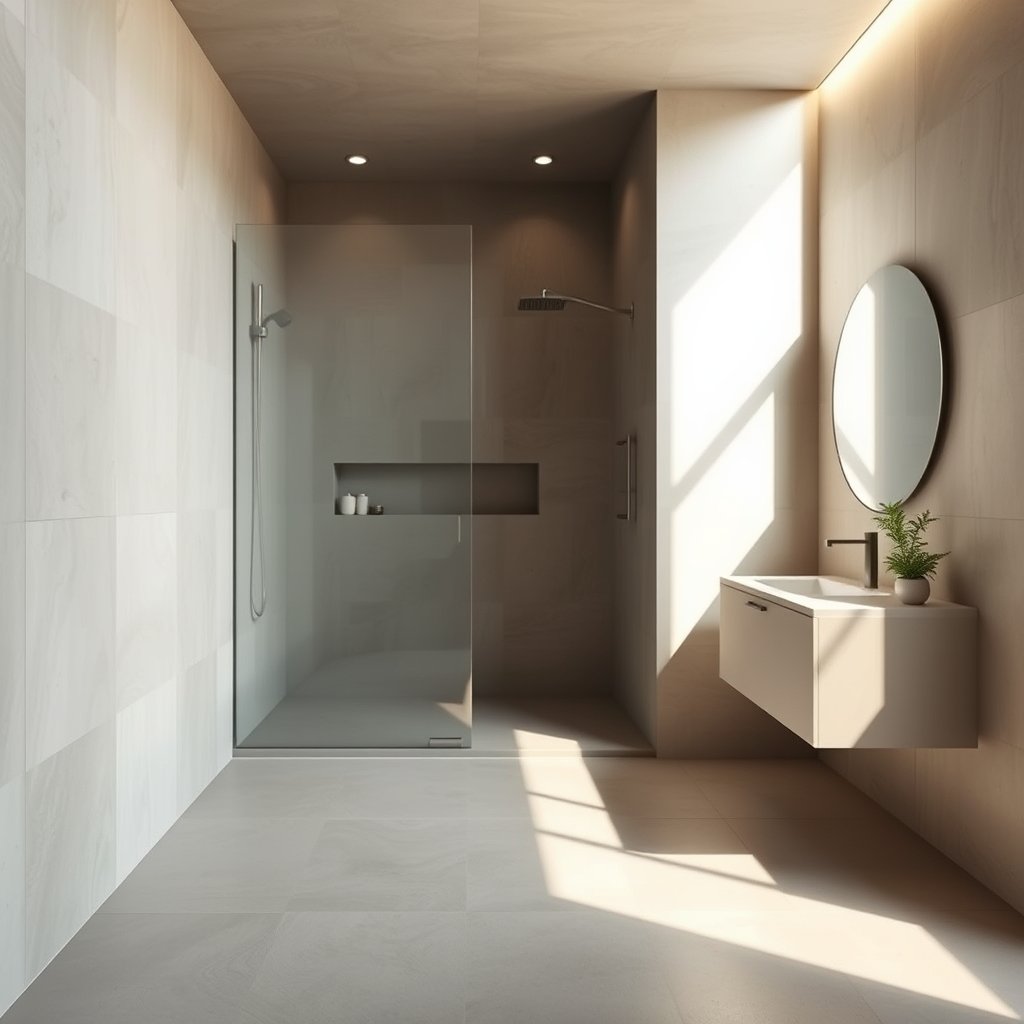
The rising popularity of microcement vs tile bathroom finishes is not just about looks. It’s about real-world durability. Recent research shows that microcement walls, if properly installed with correct waterproofing practices, last for decades. This matches or even exceeds the 20+ year average lifespan of ceramic tiles, without the hassle of regular grout maintenance (source).
The practical advantages have driven more homeowners and pros to choose seamless surfaces for easier cleaning and a minimalistic appearance. For further design considerations, visit our 2024 bathroom trends guide.
Step-by-Step Best Practices for Applying Microcement Walls
Correct application of microcement on walls is crucial for its long-term performance. Here’s a technical, mistakes-proof workflow to ensure your bathroom walls look great and perform for years:
- Prepare the substrate: Remove old coatings, fill and level all holes or cracks. The underlying wall must be dry, grease-free, and stable. Any movement or moisture left in the substrate can crack your microcement later.
- Apply waterproofing membrane: Use a high-quality, elastic waterproof membrane on the wall in all wet zones (showers, behind sinks). This is non-negotiable for microcement bathroom walls.
- Primer application: Apply a vapor-blocking primer to improve adhesion and further protect against moisture migration.
- Mix microcement product: Use a flexible, bathroom-grade microcement blend. Always adhere to the manufacturer’s mixing ratio for maximum flexibility and adhesion.
- Trowel microcement in thin coats: Apply 2 to 3 coats, carefully controlling the total thickness (never exceed 2-3 mm). Sand gently between coats to remove imperfections.
- Final sealing: Once the last coat has dried thoroughly, apply a non-porous epoxy sealer. This protects against water penetration and staining and is essential to reach the projected 10–20+ year service life (source).
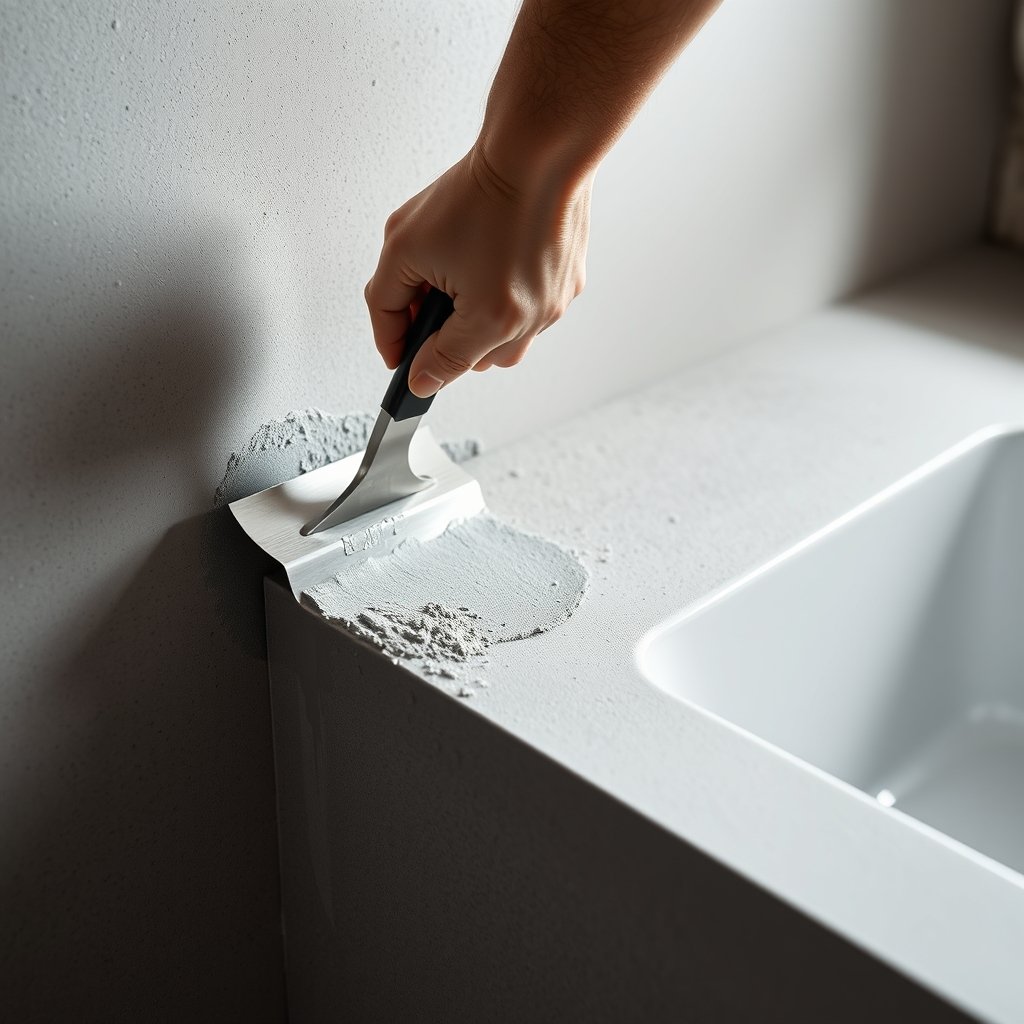
Proper execution at every step—from stabilization to the sealing finish—is a must. Visit our complete microcement installation guide for further details on material choices and troubleshooting tips.
Even for DIYers, consider professional help for surface preparation and the crucial sealing stage. Bad prep and improper sealing are the leading reasons for microcement failures.
Durability and Common Pitfalls: What to Know in 2024
Microcement delivers long-lasting, waterproof walls—when installed right. But installation errors, material shortcuts, or insufficient maintenance can drastically shorten its lifespan. Below are the most common real-world issues and how microcement compares to regular tile in bathroom settings.
Frequent Issues with Microcement Bathroom Walls
- Cracking: Poorly prepped walls or unstable substrates move and stress the microcement, causing cracks—especially at joints or around plumbing penetrations.
- Staining: While sealed microcement resists common stains, any breach or wear in the sealant can let water, soap, or colored products seep in.
- Maintenance Gaps: Sealing should be renewed every few years; skipping this leads to water absorption and possible patches of discoloration or mold.
- Incorrect material selection: Using regular microcement (not flexible or bathroom-rated) leads to early failures in humid settings.
- DIY risks: While tempting, DIY jobs often lack sufficient substrate preparation and skilled sealing—leading to reduced durability and aesthetics.
Durability and Moisture Resistance Stats
A seamless finish offers inherent moisture resistance—by eliminating grout, microcement avoids a common source of mold and water infiltration found in tiled bathrooms (source). Properly sealed, the surface performs for 10–20+ years without significant degradation.
| Factor | Microcement Bathroom Walls | Traditional Tile Bathroom Walls |
|---|---|---|
| Durability / Lifespan | 10–20+ years (with correct sealing and prep) | 20+ years (with grout maintenance) |
| Water Resistance | Excellent (seamless, no grout) | Good, but grout is a weak point |
| Mold/Mildew Risk | Very Low (no grout) | Moderate–High (in grout lines) |
| Maintenance | Reseal every 3–5 years | Regular grout cleaning/sealing |
| Installation Complexity | Requires meticulous prep & professional technique | Well-known process; DIY-friendly |
| Finish Options | Seamless, modern, custom colors | Pattern, grout lines, standard colors |
| Upfront Cost* | Higher | Lower |
| Long-term Cost | Lower (less maintenance) | Higher (grout repairs, cleaning) |
*Precise 2024 cost breakdowns are still unavailable, but microcement generally requires higher upfront investment. For more, see our in-depth cost report.
Cost, Health, and Environmental Considerations
There is limited data on microcement’s environmental impact or health effects during and after bathroom use (source). If chemicals or volatile substances are a concern, seek advice from professionals before starting your renovation.
Wondering about DIY microcement countertops? Reliable step-by-step methods for DIYers are not yet widely published. For kitchen or vanity projects, it’s wise to seek a trained applicator, as these surfaces have additional performance requirements and exposure.
If you are planning a complete renovation, learn how microcement walls integrate with wet room systems for a truly seamless bathroom upgrade.
Conclusion
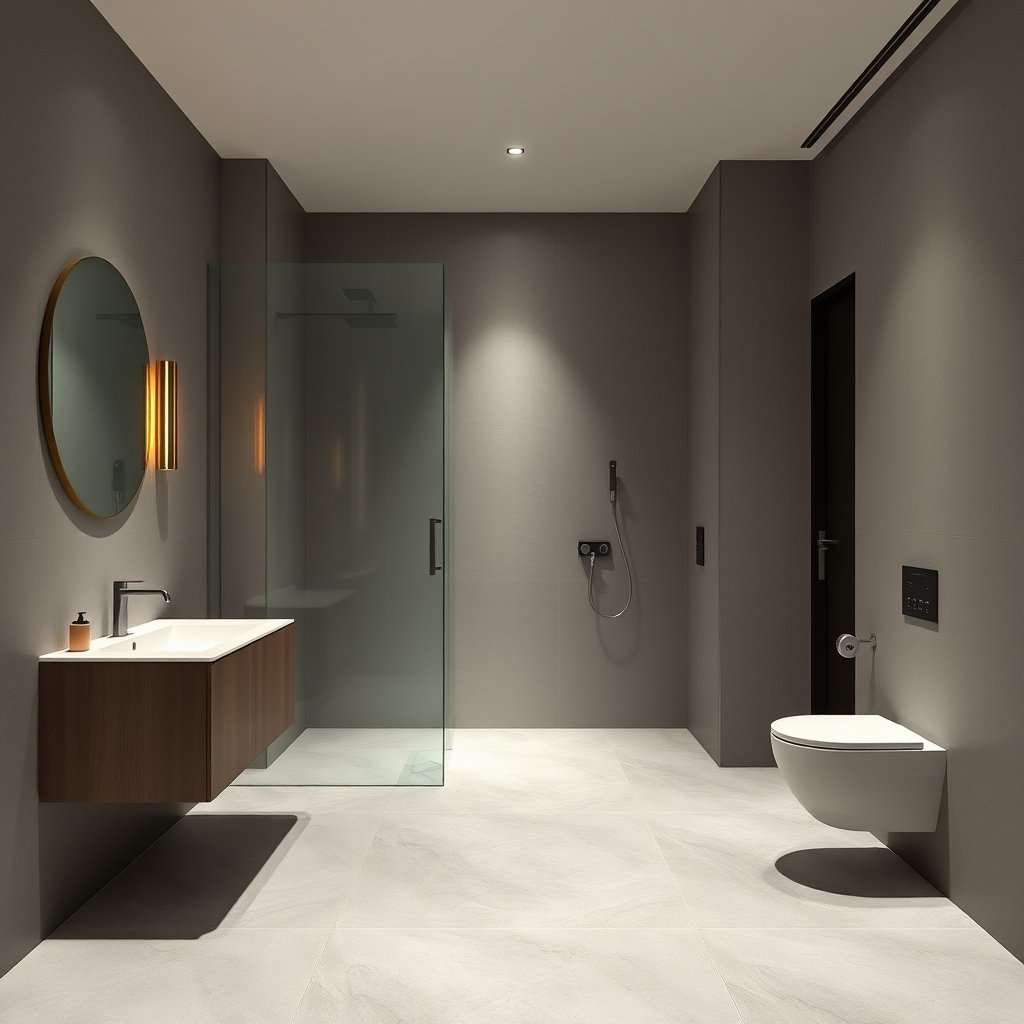
Microcement bathroom walls provide a cutting-edge solution for homeowners and designers seeking a sleek, waterproof, and low-upkeep finish. But results depend entirely on careful preparation, material selection, and sealing. While costs are still tough to compare exactly to tiles in 2024, microcement offers lower ongoing maintenance and unbeatable seamless looks.
Ready to transform your bathroom? Explore our microcement colors and find a qualified installer near you—or dive deeper into prep tips with our wall preparation checklist. If you have questions about microcement bathroom walls, contact our experts or leave a comment below!
Microcement bathroom walls can bring your design goals to life—just be sure to follow every step and work with trusted installers for lasting results.
Frequently Asked Questions
How long do microcement bathroom walls really last?
With proper substrate preparation, waterproofing, and regular resealing, microcement bathroom walls last 10–20+ years, matching the lifespan of traditional tiles without grout maintenance.
Do microcement shower walls crack easily?
Cracking is rare if the installation is done properly and the substrate is stable. Poor wall preparation or using inflexible products increases the risk of cracks, especially near moving joints.
How often does microcement need to be resealed?
On average, resealing every 3–5 years is recommended, especially in high-use areas like showers, to maintain waterproofing and prevent stains.
Can I DIY microcement countertops or bathroom walls?
DIY is possible for walls with careful adherence to every step. For countertops, the process is more complex and rarely covered in detail online—professional help is highly advised for these surfaces.
Is microcement safe for indoor air quality and the environment?
Current research does not offer definitive data on microcement’s indoor air quality or environmental impact. Always consult with suppliers about product formulations and best ventilation practices during installation.