

Limewash paint walls are driving a major revival in home interiors, but getting professional, lasting results at home isn’t as simple as grabbing a brush. If you’re a DIYer, interior design fan, or small contractor, you’ll want to know how real pros prep, apply, and troubleshoot limewash — especially for both regular walls and brick fireplaces. This expert guide covers everything you need for success, including must-know practical techniques, realistic 2025 brand picks, detailed cost breakdowns, and advanced tips for avoiding mistakes.
Key Takeaways
- Limewash paint delivers a breathable, textured, eco-friendly finish but requires careful prep—especially on non-porous or painted walls.
- 2025’s best limewash brands like James Alexander, Romabio Velatura Mineralwash, and Color Atelier offer coverage, durability, and better eco credentials than most paints.
- Budgeting realistically means $150-400 for a typical DIY room project, or 2-3x more if you hire a pro. Proper priming, layering, and smart technique are key to avoiding common pitfalls like mottling or peeling.
- Understanding Limewash Paint and Its Unique Appeal
- Step-by-Step Guide to Applying Limewash Paint on Interior Walls
- Common Challenges and How to Overcome Them When Limewashing
- Conclusion
- FAQ: Limewash Paint Walls and Brick Fireplaces
Understanding Limewash Paint and Its Unique Appeal
Limewash paint is a mineral-based coating made from slaked lime (calcium hydroxide) and water, sometimes with added natural pigments. It’s highly alkaline, breathable, and creates that distinctive soft, mottled, chalky finish you see in old country houses or editorial “cave” walls. Unlike most latex or even “mineral” paints, it soaks into and bonds with porous surfaces—like bare plaster, brick, or stucco—rather than simply sitting on top.
Compared to mineral paints (which use silicate bases and have broader mineral content), true limewash yields more prominent texture and a chalkier, more rustic aesthetic. Mineral paints, such as Romabio Velatura, typically provide a smoother finish and are less prone to rub-off, making them preferred for spaces where you want movement without the mess.
Limewash thrives on breathability—on porous surfaces, it allows vapor to pass through, helping regulate indoor moisture. This makes it ideal for older homes, bathrooms, or any space where you want to avoid trapping dampness in walls. However, on drywall or previous paint, you’ll need a primer designed for mineral coatings to ensure proper adhesion and prevent future peeling or chalk issues. These core distinctions guide how you select, prepare, and use limewash paint on both interior walls and brick fireplaces.
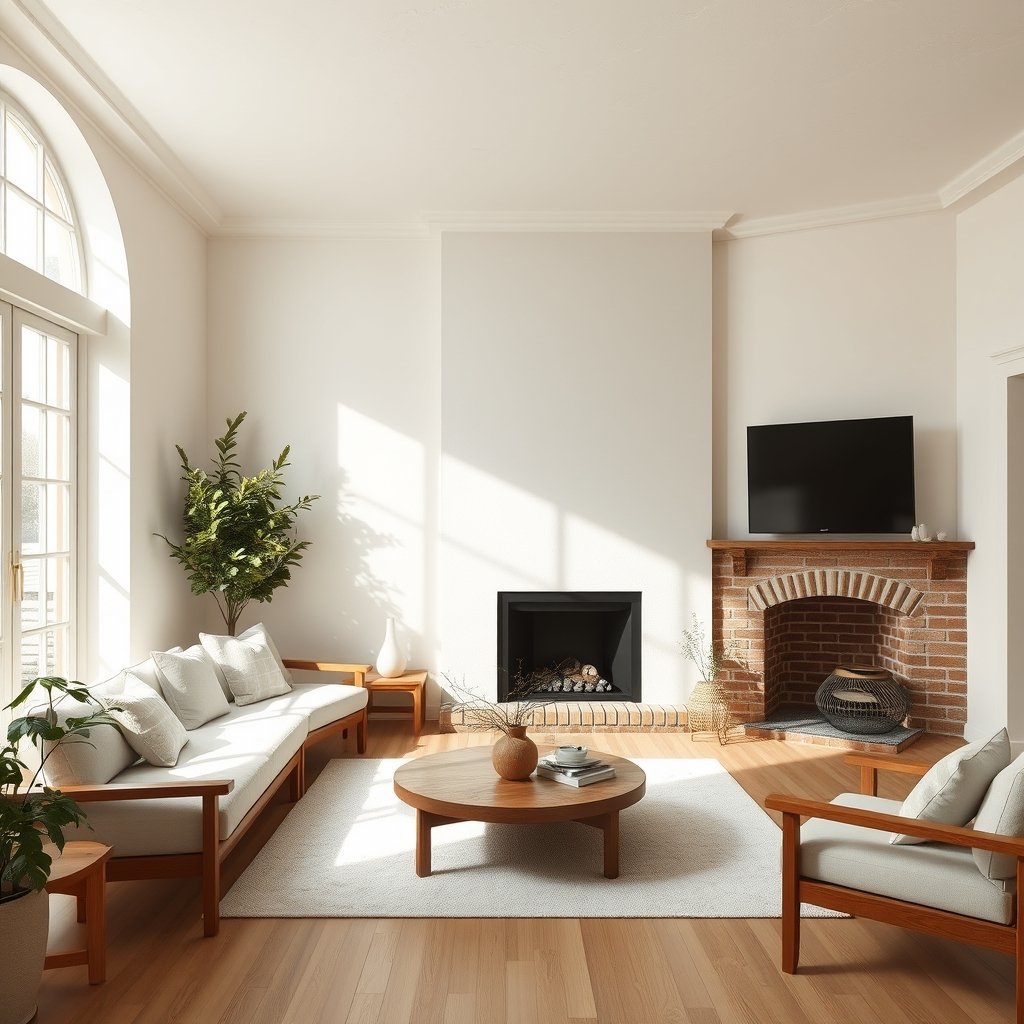
For more on choosing the best paint type for your surface, see Limewash vs. Mineral Paint: Differences Explained.
Step-by-Step Guide to Applying Limewash Paint on Interior Walls
Applying limewash paint isn’t hard, but it’s different from traditional wall painting. Here’s an expert process for interior walls—plus fireplace-specific adaptations:
- Prep the workspace: Move out furniture, remove artwork, and tape off trims or sockets. Drop cloths on your floor are a must. Any leftover dust can ruin a limewash finish, so aim for spotless surfaces.
- Clean thoroughly: Use mild detergent and water for walls. Let them fully dry before continuing for maximum adhesion.
- Priming (if needed): If you’re working with painted drywall or any non-breathable surface, apply a compatible mineral or acrylic primer. For bare brick, plaster, or lime-based stucco, limewash can go straight on—no primer required (source).
- Test your color: Limewash dries up to 60% lighter than when wet, so sample a small area and wait at least 2 hours before making your final choice (source).
- Mix and dilute: Brands vary: first coat may be full strength, with 20-150% water added for later coats. Follow the manufacturer’s advice, and stir well before and during painting (source).
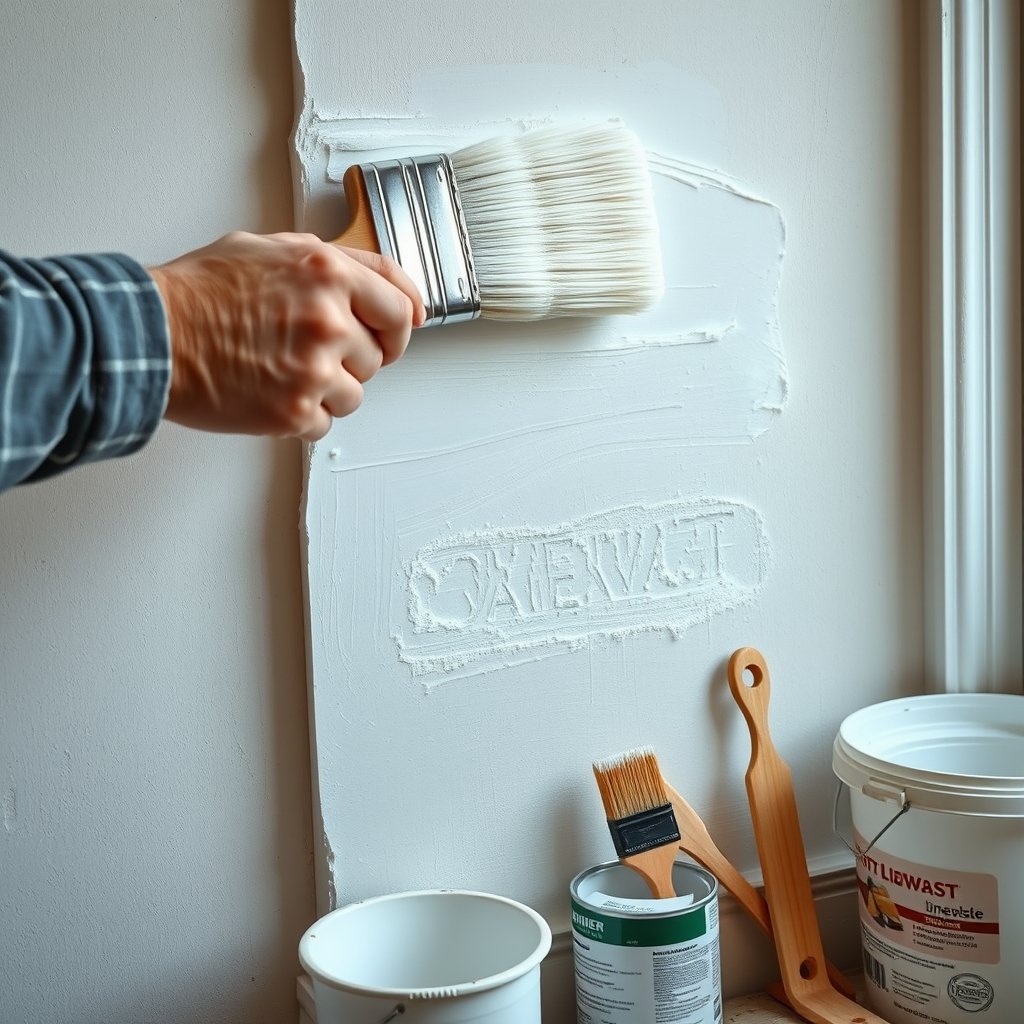
- Apply the first coat: Use a large block brush or masonry brush, not a roller, for that signature textured look. Work with X-shapes or cloud-like strokes in small sections. Always “keep a wet edge”—don’t let one area dry before blending into the next to avoid lap marks.
- Second and third coats: Wait until the previous coat is dry to the touch before starting the next. Dilute each coat a bit more for more color movement and softness. Most interior walls look best after 2-3 thin coats (source).
- Final touches (optional): For high-touch areas, apply a densifier or sealer to reduce chalkiness, especially in homes with kids or pets.
Special Techniques for Limewash on Brick Fireplaces
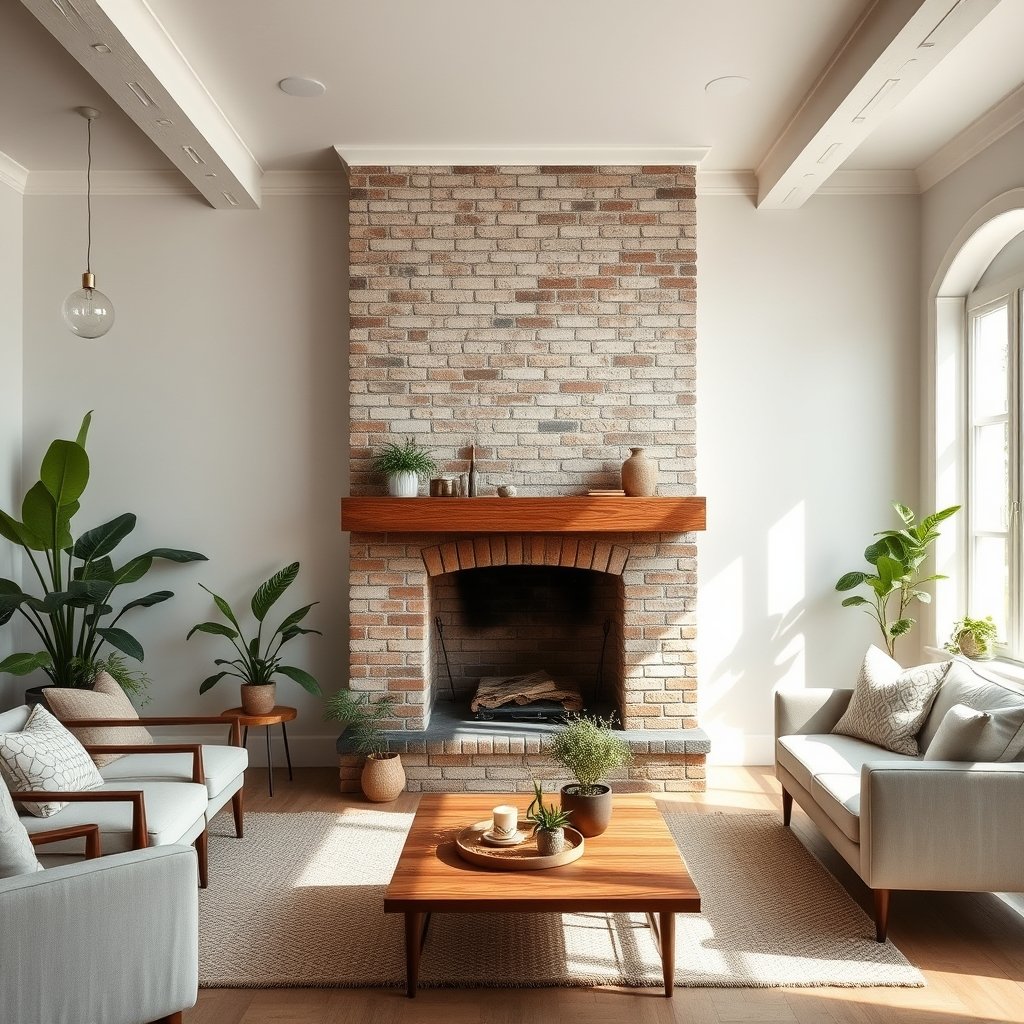
Brick is the ideal limewash surface. If unpainted, just clean (and consider testing in a hidden area). If already painted, use a mineral primer first. Apply thin coats, letting the brick’s natural texture show through. Multiple layered coats increase opacity and durability without hiding the personality of the brick. The breathable nature of limewash means it won’t trap fireplace heat or moisture.
For more on limewashing brick fireplaces, see our complete guide to limewash brick fireplaces.
2025’s Best Limewash Paint Brands: Coverage, Longevity & Eco-Friendliness
- James Alexander Limewash: Excellent coverage (2-3 coats), natural and mineral-based, comes with densifier for reducing chalk in high-wear areas. Very high-lasting texture on walls (source).
- Romabio Velatura Mineralwash: Zero VOC, no odor, easy to use (especially for DIYers), no primer often needed, highly rated for natural color movement (source).
- Color Atelier: Superb for primed, slightly textured walls; great for “cave-like” chic surfaces.
- Vasari: User-friendly, perfect for accent walls or small projects, and favored for ease of use.
To compare more brands and pro tips, visit our Best Limewash Paint Brands 2025 roundup.
Budgeting: DIY vs. Pro Costs (2024 pricing)
Expect to spend $150-$400 on DIY materials (paint, primer, brushes, etc.) per average-sized room (up to 400 sq ft). Professional limewash painters generally charge 2-3 times materials, so $500-$1500+—costs rise for complex trim or high walls. Brick fireplace projects are about 25-50% that of main walls (less surface, fewer coats). Read our detailed cost breakdown for more info and extra savings tips.
Common Challenges and How to Overcome Them When Limewashing
Limewashing is more forgiving than most paint techniques, but beginners often hit a few snags. Here are the most common issues—and how to fix them:
- Overbrushing: Causes mottling and patchiness. Solution: Use light, random strokes and avoid touch-ups until dry.
- Poor adhesion on non-porous/painted surfaces: Causes peeling. Always prime drywall, previously painted, or otherwise sealed surfaces.
- Uneven color (or streaky finish): Occurs if you let one area dry before blending. Always work quickly around the room, keeping a wet edge. Practice on sample boards if possible.
- Lap marks: Result from working in direct sun or not blending sections fast enough. Try to paint when there’s steady, indirect light—and mist the wall ahead of your brush if needed.
- Drips or splotches: Remove immediately with a clean, damp cloth. Apply thin coats and inspect for runs before moving on.
- Chalkiness/high touch areas: Natural limewash can rub off on hands or clothing. Use a densifier on the final coat, especially near light switches or furniture.
- Color is too light or too dark: Limewash dries lighter; if too dark, dilute your next coat. Too light? Add another layer with less dilution or a slightly deeper mix.
See Limewash Paint DIY Tutorials here: Jenna Sue Design and Never Skip Brunch for visual walk-throughs.
Comparison: Limewash vs Mineral Paint for Interiors
| Feature | Limewash Paint | Mineral Paint |
|---|---|---|
| Base Composition | Slaked lime, natural mineral pigments | Mineral silicate (e.g., potassium silicate) |
| Finish | Chalky, mottled, textured, rustic | Smoother, subtle movement, less chalk |
| Best Use | Breathable/porous walls, brick, plaster | Drywall, previously painted, modern walls |
| Primer Required? | Yes for non-porous surfaces (drywall, paint) | Often not needed (brand dependent) |
| Eco-Friendliness | High (Zero/Low VOC, natural minerals) | High (Zero/Low VOC), but more refined |
| Cost | $$$ – comparable | $$$ – comparable |
| Best For | Rustic, historical, artisan looks | Modern, subtle movement, low-maintenance |
Market Trends and Underexplored Topics
- Natural and eco trends: Zero VOCs and authentic mineral formulas are non-negotiable for many buyers in 2024. Social media limewash and fireplace makeovers drive demand for unique, textured finishes.
- Long-term durability: Most guides skip how limewash ages on high-heat or moisture-exposed fireplace bricks. Five-year durability data remains scarce.
- Customization for family/high-traffic areas: Add densifiers or sealers on top coats for rooms with kids, pets, or frequent cleaning—an approach that deserves wider coverage.
- Budgeting strategy: Factor in primer and densifier—not just the paint. Pro jobs may be 3x cost, but DIY is realistic with patience and careful prep.
- Certification and lifecycle eco-impacts: Brand certifications vary; research company claims, particularly if full lifecycle eco-ratings matter to you.
Conclusion
Limewash paint walls deliver style and substance for those seeking healthy, lasting finishes. With the right prep, smart product choices, and realistic expectations, you’ll achieve the coveted look—whether it’s for a feature wall, an entire room, or a cozy brick fireplace. Address the challenges up front, budget for proper materials, and enjoy authentic results you won’t get from any latex paint. Ready to transform your interiors with limewash paint walls? Stock up on a 2025-rated kit, and dive into our hands-on tutorial for a flawless finish today.
FAQ: Limewash Paint Walls and Brick Fireplaces
Can I apply limewash paint over existing latex or acrylic paint?
Yes, but you must prime the surface with a mineral or acrylic-based primer first. Otherwise, the limewash may not adhere properly and can peel or flake.
Is limewash durable enough for kitchens, bathrooms, or high-traffic walls?
It’s naturally breathable and resists mold, but may chalk in high-touch zones. Use a densifier or sealer over the final coat for added durability in busy spaces.
How do I fix patchy or streaky areas after limewashing?
Let the wall dry completely. Apply another blend coat, keeping a wet edge and using random, X-shaped strokes. Most errors can be blended with extra thin coats.
What’s the difference between limewash and mineral paint for indoor use?
Limewash offers more texture and breathability, ideal for porous walls. Mineral paints (like Romabio Velatura) are smoother, less chalky, and often don’t need primer on painted drywall. Both are zero- or low-VOC and eco-friendly.
Will I need to repaint or touch up limewash paint often?
Limewash is fairly durable, especially on brick or plaster. On drywall or in high-wear rooms, expect to refresh every few years or use a densifier to extend life between full redos.