

Japandi bathroom design is rapidly transforming modern homes by uniting the clean, uncluttered nature of Japanese minimalism with the organic warmth of Scandinavian style. Homeowners today crave spaces that are both serene and functional—this approach promises both, but making it work in real-world bathrooms requires a blend of inspiration, technical knowledge, and practical strategy.
Key Takeaways
- Japandi bathrooms balance minimalist layouts with warm materials for a calm, functional retreat.
- Real success depends on choosing sustainable, durable materials and planning updates that fit your home’s structure and budget.
- Most guides overlook specific costs, technical specs, and easy-care solutions—address these upfront for a seamless outcome.
- What is Japandi Bathroom Design? Understanding the Fusion of Japanese and Scandinavian Styles
- Step-by-Step Guide: How to Create a Japandi Bathroom in 2024
- Advanced Analysis & Common Pitfalls in Japandi Bathroom Renovations
- Conclusion: Bringing Japandi Bathroom Design Home
- Japandi Bathroom Design FAQ
What is Japandi Bathroom Design? Understanding the Fusion of Japanese and Scandinavian Styles
Japandi bathroom design combines two iconic philosophies—Japanese wabi-sabi minimalism and Scandinavian hygge. The result is a bathroom that feels grounded, purposeful, and inviting. Instead of harsh whites or cold minimalism, you get clean lines, zoning that encourages relaxation, warm wood, and finishes designed to withstand real life.
In a Japandi style bathroom, you’ll see low-profile fixtures, clutter-free layouts, and neutral palettes—beige, sand, and soft whites—all featuring the natural touch of wood. Textured, matte finishes replace gloss, keeping the space calming rather than clinical.
Research shows that while Japanese minimalism emphasizes clean lines and zen simplicity, Scandinavian design warms things up with cozy textures and natural materials. Freestanding tubs, frameless glass, and simple patterns bring the look to life.
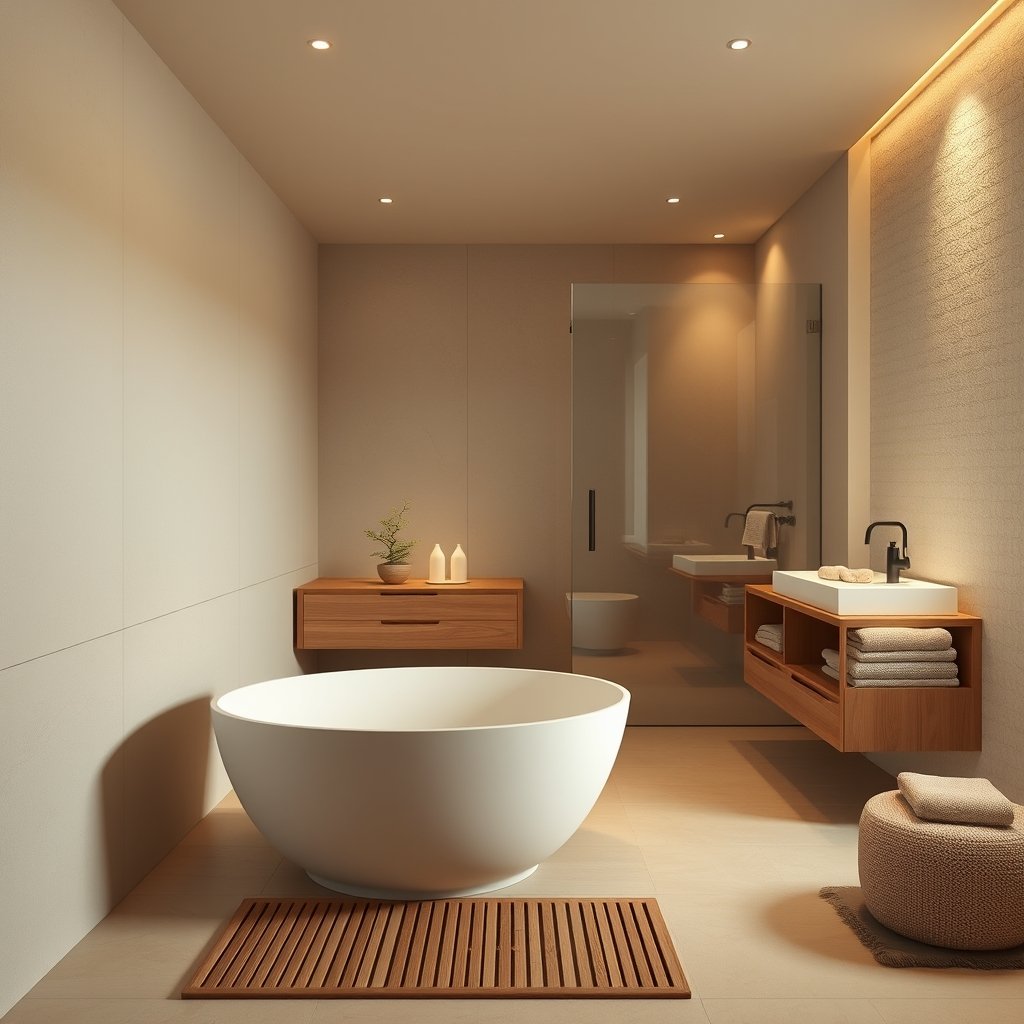
Designers and savvy homeowners are now leveraging this blend not only for its aesthetic appeal but to boost resale value and create a daily sanctuary at home.
Step-by-Step Guide: How to Create a Japandi Bathroom in 2024
Transitioning to a Japandi bathroom doesn’t require rebuilding from scratch. Follow these actionable steps to plan and execute your renovation—starting small or going all-in, depending on your needs and budget.
- Assess Your Space and Needs
- Sketch your existing bathroom layout.
- Identify constraints like plumbing, window placements, and floor level—these guide what’s possible without big structural work.
- Note storage headaches or awkward zones—Japandi thrives on clutter-free, open areas.
- Select a Calming Color Base
- Choose warm neutrals: beige, soft whites, or stone-gray.
- Stick to a single accent color, if any, and keep it subtle—muted greens or blush work best.
- Avoid harsh contrasts: the goal is seamlessness.
- Install Japandi Bathroom Tiles for Texture and Depth
- Opt for matte, textured finishes; avoid gloss.
- Look for subtle geometric or nature-inspired patterns.
- Fewer grout lines make cleaning easier and echo minimalism (see our bathroom tile guide).
- Upgrade to Japandi Bathroom Vanities
- Pick low-profile vanities with flat-front wood cladding and integrated storage.
- Choose natural woods like oak or ash—stained, not veneered—for authenticity and longevity.
- Opt for matte black or brushed metal taps and fixings; avoid shiny chrome.
- Integrate Eco-Conscious Fixtures and Accessories
- Select dual-flush toilets, low-flow showers, and LED lighting to save water and energy.
- Go for gunmetal or matte black taps for modern Japanese restraint.
- Prefer frameless glass for showers; it helps rooms feel larger and uncluttered.
- Consider freestanding tubs if space allows for a luxury focal point.
- Add Warmth: Textiles and Japandi Bathroom Accessories
- Layer soft, neutral towels and bath mats for a cozy, Scandinavian touch.
- Add wood-accented mirrors or handcrafted wall décor to introduce organic character.
- Keep surfaces clear—built-in or hidden storage is essential (see bathroom storage solutions).
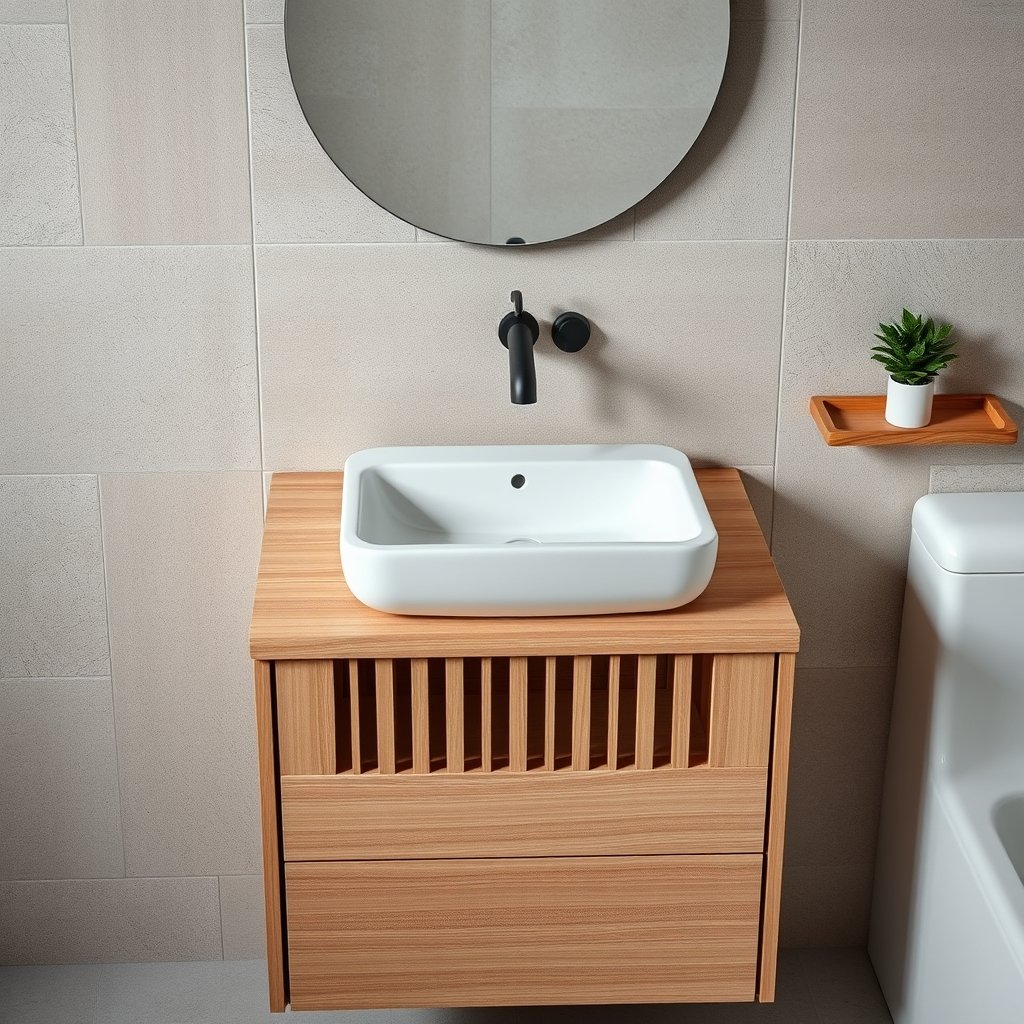
- Don’t Overlook Maintenance: Choose tiles with water- and stain-resistant ratings, and woods that are sealed for bathrooms.
- Invest for the Long Term: When budgeting, focus on high-impact upgrades that match your area’s resale tier (see market strategies).
Advanced Analysis & Common Pitfalls in Japandi Bathroom Renovations
Adopting a Japandi style bathroom isn’t always a smooth ride—here’s what to anticipate, plus a side-by-side comparison of smart choices versus mistakes commonly made.
| Common Pitfall | Smart Alternative | Potential Impact |
|---|---|---|
| Choosing glossy tiles or busy patterns | Matte, textured tiles with subtle designs | Maintains minimalism; easier upkeep, authentic Japandi look |
| Ignoring natural flow and spatial zoning | Open layouts, frameless glass, strategic zoning of vanities and tubs | Better functionality and resale appeal |
| Overspending on high-end features (e.g., stone, large tubs) in small/entry-level homes | Align investments with local market and focus on long-lasting, sustainable finishes | Better ROI, avoids overcapitalization |
| Skipping authentic materials due to supply concerns | Source certified woods, look for eco-certifications, prioritize durability over trendiness | Longer product life, boosts sustainability |
| Lack of technical specifications (tile grout, water-resistance, load-bearing) | Discuss with suppliers/installers; get specs in writing (see manufacturer’s data sheets) | Reduces risk of leaks or rapid wear |
| Poor maintenance planning | Set a cleaning schedule and use products suited to matte, natural finishes | Keeps accessories and major surfaces looking new for years |
For detailed technical advice, such as grout types and waterproofing, consult tile specification guides and your installer. Also, check out our bathroom waterproofing essentials for more on preventing costly issues.
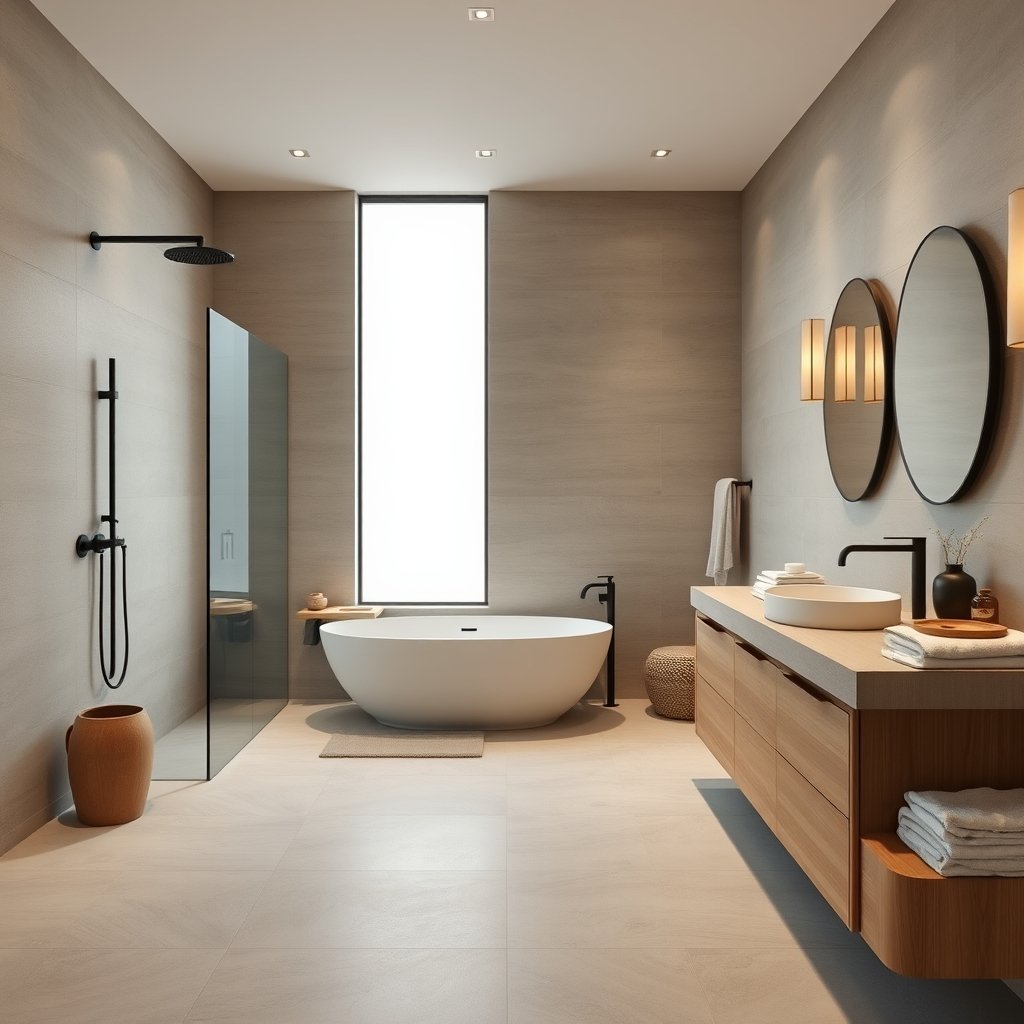
Conclusion: Bringing Japandi Bathroom Design Home
Japandi bathroom design offers far more than a trend—it’s a realistic way to create a peaceful, future-proof space by combining minimalist layouts with enduring materials and warm, natural accents. To succeed, balance authenticity, practicality, and the technical demands of your existing home. Before starting your Japandi bathroom design, get quotes, demand clear specs, and factor in maintenance to enjoy a comforting, lasting retreat.
Ready to get started? Explore our renovation checklist or contact an expert for a design consult tailored to your space.
Japandi Bathroom Design FAQ
What colors work best for a Japandi bathroom?
Choose warm neutrals like beige, off-white, and sand. Accent sparingly with muted greens or blush for variety, but keep contrast low for maximal calm.
Are Japandi bathroom designs affordable?
They can be. Focus on matte tiles and wood accents, and update gradually. The largest costs come from premium tubs or fixtures, but you can achieve the look on a mid-range budget if you plan carefully.
How do I maintain Japandi bathroom tiles and wood surfaces?
Clean with gentle, non-abrasive products to protect matte and textured finishes. Use wood sealant suitable for wet areas and reapply as needed to prevent water damage.
What are the key Japandi bathroom accessories?
Matte black or brushed metal taps, low-profile wood vanities, frameless glass for showers, soft textiles, and simple, functional decor like wood mirrors. Avoid clutter—everything should have a purpose.
Do Japandi bathrooms improve resale value?
Yes, if updates match your home’s tier. Buyers increasingly seek eco-friendly, uncluttered spaces with warm materials. Don’t overinvest; focus on durable finishes and features with broad market appeal.