

Invisible kitchen trend 2026 is rapidly changing the way design-focused homeowners, architects, and luxury developers rethink residential interiors. Unlike previous waves of minimalist kitchen design trends, this approach hides appliances, storage, and even prep spaces for total visual calm—yet there are costs, safety unknowns, and real trade-offs you must weigh.
Key Takeaways
- The invisible kitchen trend for 2026 is fueled by demand for clutter-free, tech-integrated spaces, with the global built-in kitchen appliance market projected to hit $3.2 billion by 2034.
- Implementation costs are rarely disclosed, safety and long-term maintenance data remain scarce, and the shift from minimalist trends is practical rather than purely aesthetic.
- Adoption is highest in luxury residential construction and remodels, particularly in Europe, the U.S., and fast-growing Asia-Pacific markets.
- What Is the Invisible Kitchen Trend and Why Is It Dominating 2026?
- Adoption Rates and Market Growth—Who’s Choosing Invisible Kitchens?
- What Makes an Invisible Kitchen? Materials, Technologies, and Layouts For 2026
- Most Coveted Invisible Appliances and Storage Solutions for 2026 Kitchens
- True Costs of Seamless and Invisible Kitchen Integration in 2026
- Overlooked Considerations—Safety, Durability, and Maintenance of Invisible Kitchens
- Invisible Kitchen in Context—How 2026 Differs From Prior Minimalist Trends
- Should You Invest in the Invisible Kitchen Trend for 2026?
- Frequently Asked Questions: The Invisible Kitchen Trend 2026
What Is the Invisible Kitchen Trend and Why Is It Dominating 2026?
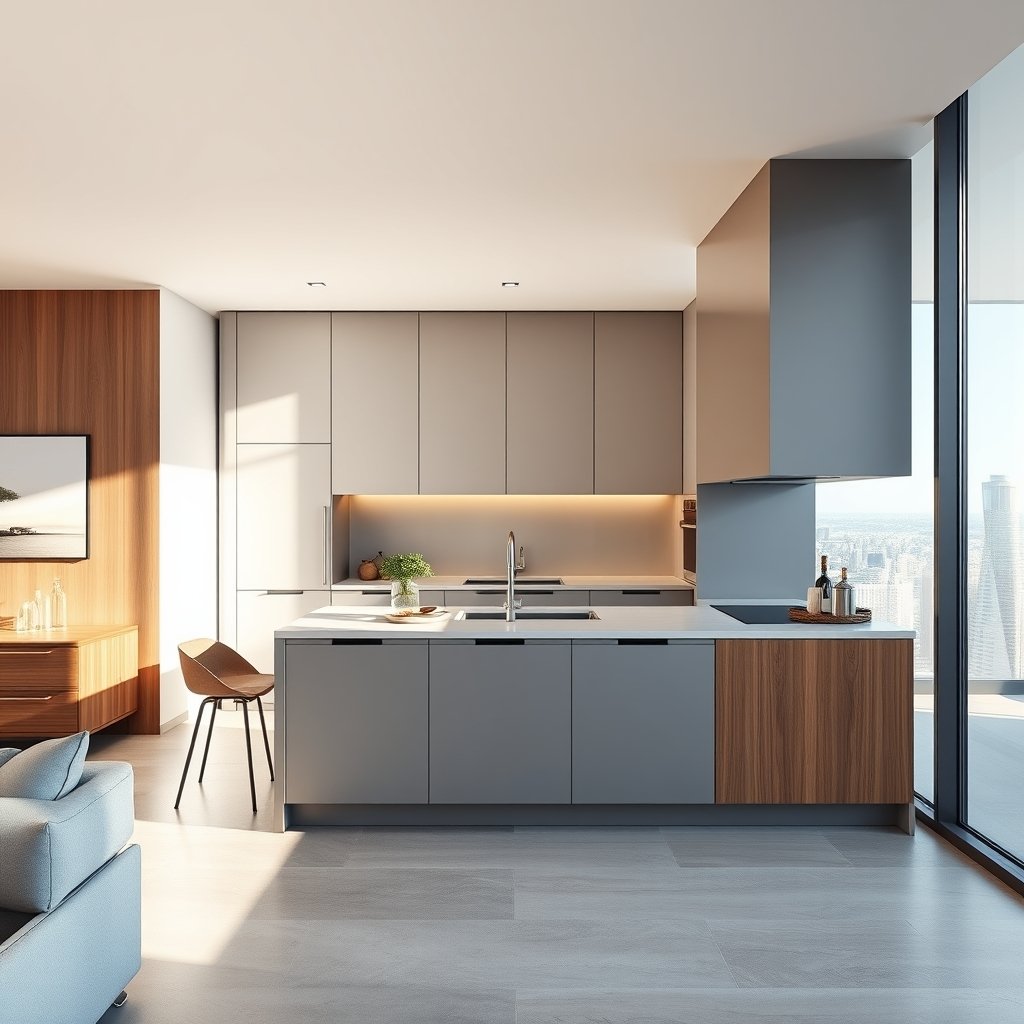
The invisible kitchen trend 2026 is all about creating seamless, clutter-free environments where appliances, cabinetry, and work zones visually disappear into the architecture. It’s a step beyond classic minimalist kitchen design trends: the goal is functional invisibility, not just clean lines or fewer items.
This new direction is driven by open-plan living, homeowner desire for adaptable spaces, and sophisticated, integrated technology. Kitchen islands, for example, can transform with pocket doors hiding sinks, and appliance garages vanish behind touch-activated panels. Built-in, IoT-enabled devices let users control everything with a tap or voice command, blending tech and design.
The global fully built-in kitchen appliances market is projected to reach $1.6 billion in 2025, accelerating toward $3.2 billion by 2034 at a CAGR of nearly 14%. This rapid expansion reflects rising expectations around how kitchens should look and function now—and in the next decade.
Adoption Rates and Market Growth—Who’s Choosing Invisible Kitchens?
The invisible kitchen trend 2026 is now firmly embedded in global luxury and new construction markets. In recent years, integrated solutions have become a default request for design-forward projects—especially in densely populated urban settings and exclusive developments.
Key data:
- 62% of new luxury developments include at least three built-in appliances.
- 55% of kitchen remodels in 2024 featured at least one integrated appliance—a sharp increase from 38% five years ago.
- Europe leads in adoption due to premium kitchen standards, but growth is fastest in Asia-Pacific (driven by China), with the U.S. holding a major share.
- Residential projects make up 78% of the market, fueled by urbanization and rising disposable incomes.
Learn more about regional trends in current kitchen trends and see how local culture and spending impact invisible kitchen adoption. Residential and luxury developers are responding to client demand for streamlined, high-tech, and impressively organized kitchen spaces.
What Makes an Invisible Kitchen? Materials, Technologies, and Layouts For 2026
Invisible kitchens rely on a blend of new materials and technologies. Cabinetry is finished in soft matt or textured natural wood, favoring understated tones—warm taupes, muted whites, and subtle concrete greys—for depth without coldness. Handles are omitted or entirely integrated, with push-to-open or automated mechanisms.
Appliances go beyond “panel-ready” to become indistinguishable from cabinetry—color-matched, flush, and voice, touch, or app-controlled. Smart devices and IoT features are essential: ovens and refrigerators adjust with AI, lighting responds to movement, and space partitions slip away.
Compared to minimalist kitchen design trends of past years, seamless kitchen cabinetry in 2026 uses technology to actually make working elements ‘disappear’ rather than just organizing them. Expect pocket or sliding doors covering prep zones and appliance garages, along with custom storage for popular gadgets like air fryers. IoT-enabled built-ins show 14% annual demand growth, reflecting strong consumer desire for high-tech invisibility.
For a deeper exploration of construction and materials, read about high-end kitchen cabinetry materials now shaping 2026 projects.
Most Coveted Invisible Appliances and Storage Solutions for 2026 Kitchens
Invisible appliance ideas are led by integrated smart refrigerators, wall ovens, full-size dishwashers, and concealed air fryers—all hidden behind seamless panels or accessible through pocket doors. These appliances now match cabinet finishes exactly, blending into the wall or cabinetry.
Hidden kitchen storage solutions continue to advance. Tall, handleless pantry cupboards open to reveal organized shelving, while innovative sliding panels conceal dish racks and even full prep zones. Coffee machines and high-use countertop gadgets (such as air fryers) are designed to sit inside “appliance garages”—specialized compartments that tuck them out of sight yet keep them plugged in and ready for use.
Recent design shows favor these storage solutions, though practical, hands-on insights remain limited. Solutions respond to the widespread desire to reclaim uncluttered surfaces while accommodating new appliances that once sat openly on countertops.
If you are searching for more inspiration, see our guide to modern invisible kitchen concepts and real project photos featuring these advanced features.
True Costs of Seamless and Invisible Kitchen Integration in 2026
The true costs of adopting seamless kitchen cabinetry in 2026 are difficult to pin down. Despite the fully built-in kitchen appliance market set to double from $1.4 billion in 2024 to over $3.2 billion by 2034, few sources provide transparent numbers for individual projects, cabinetry, or appliance integration. Most budget estimates for upscale invisible kitchens start around luxury-grade kitchen ranges—often tens of thousands—and are highly variable by region, size, and technology inclusions.
- Factors driving costs include: tech and IoT features, special materials and finishes, customized layouts, and expertise required for flawless integration.
- Regional labor and cabinetry costs, plus the choice of integrated appliances (especially color-matched and smart-enabled models), make precise budgeting challenging.
- Gaps in cost transparency are a major user pain point, especially for homeowners and developers planning their return on investment.
Reviewing top appliance integration strategies can help identify areas where strategic upgrades offer the most value.
Overlooked Considerations—Safety, Durability, and Maintenance of Invisible Kitchens
Despite the aesthetic and organizational appeal, safety, durability, and long-term maintenance are frequently overlooked in the hype around futuristic kitchen design trends. Neither manufacturers nor high-ranking guides provide concrete data or guidance around:
- Heat and ventilation for hidden appliances, especially ovens, dishwashers, or microwaves behind non-vented doors.
- Accessibility in case of breakdown, cleaning, or emergency (e.g., reaching water shut-offs or unplugging electronics quickly).
- Sustainability and repair concerns if finishes get damaged or if integrated features fail—replacing a hidden appliance is often more invasive and expensive than a standard swap.
- Long-term wear of moving panels, automated lifts, and mechanisms behind seamless cabinetry.
No public safety or reliability statistics exist for invisible kitchens, making it vital for architects and homeowners to seek out manufacturers offering detailed documentation on access, maintenance, and safe use. Most reporting focuses on design and efficiency, not practical day-to-day risks. For up-to-date best practices, check our evolving guide to futuristic kitchen design trends.
Invisible Kitchen in Context—How 2026 Differs From Prior Minimalist Trends
The invisible kitchen trend 2026 marks a distinct break from earlier minimalism. While classic minimalist kitchen design trends focused on decluttering—think open shelves, fewer accessories, white-on-white palettes—2026 kitchens are built for actively hiding the proliferation of new gadgets and appliances that define modern life.
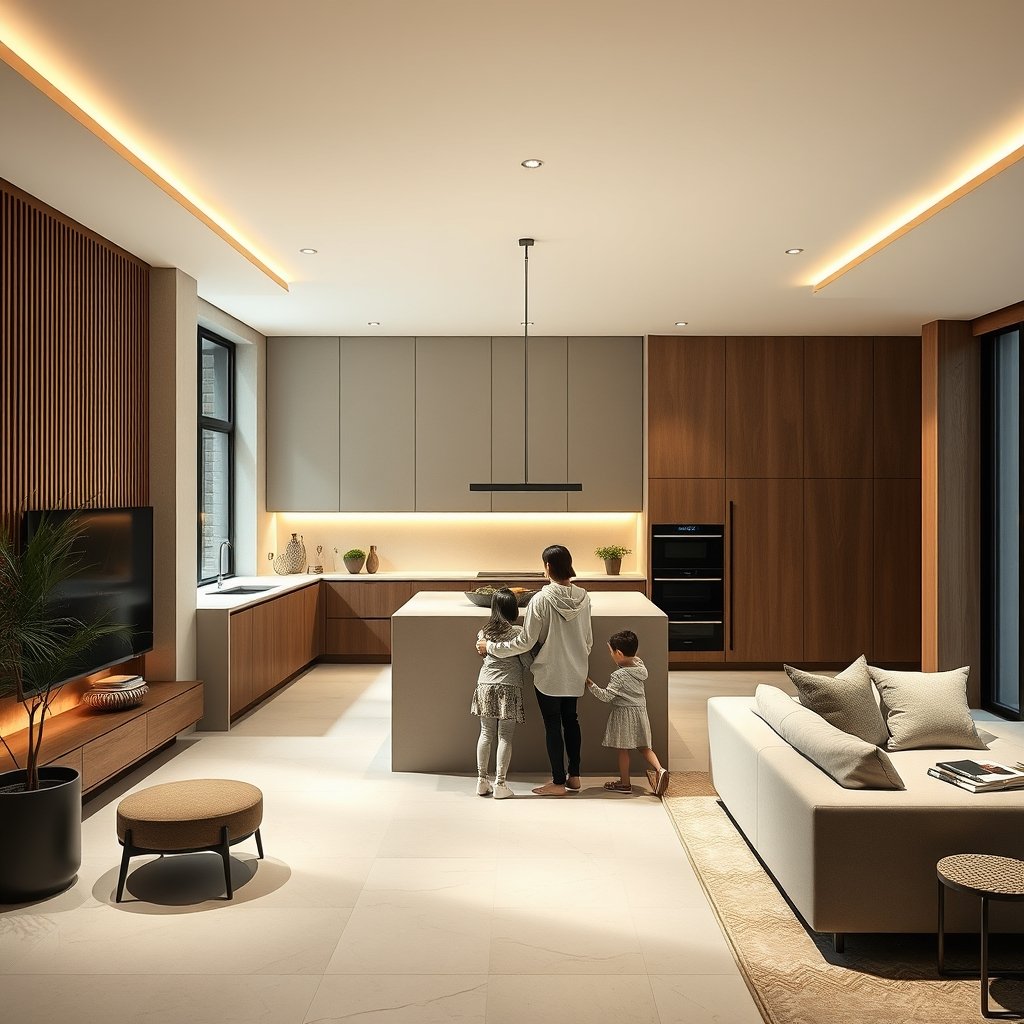
Appliance garages, sliding and pocket doors, floor-to-ceiling cabinetry, and embedded smart tech make the room appear as a cohesive living space rather than a workspace with visible tools. This shift is practical, not purely visual: it allows flexibility to host, relax, or work without signs of mess or meal prep visible. The result is spaces that feel open and adaptable—even as device and appliance use increases.
Data shows the key trend for 2026 is moving from resisting curated clutter to finding solutions to conceal everyday technology. This enables homeowners to enjoy advanced functionality without visual interruptions or the inefficiency of frequent cleaning and tidying.
Should You Invest in the Invisible Kitchen Trend for 2026?
The invisible kitchen trend 2026 offers a substantial transformation for residential and high-end design. Adoption is surging globally, and concealed kitchens are prized for their blend of cutting-edge tech, beauty, and function. However, true costs are opaque, safety and long-term performance data are lacking, and maintenance could prove more complex than open, modular kitchens.
Residential applications lead market share at 78%, driven by urbanization, aesthetic demand, and higher spending. Research suggests seamless kitchens are here to stay—but make sure you discuss maintenance, access, and replacement plans with manufacturers and your installation team.
If you value seamless aesthetics, high-tech integration, and plan to invest long-term, the invisible kitchen trend 2026 could transform your space. Review the differences from prior minimalist trends, consider your region’s cost variances, and always account for future-proofing and safe use before making the leap.
Ready to plan your invisible kitchen? Explore more detailed kitchen remodel guides here or book a consultation today.
Frequently Asked Questions: The Invisible Kitchen Trend 2026
How much does an invisible kitchen design really cost?
Most sources do not provide detailed costs. Upscale projects with seamless cabinetry and built-in smart appliances often run tens of thousands, with significant regional and material variations. Always seek line-item quotes.
Are hidden kitchens safe and easy to maintain?
There is no published safety or durability data. You must check with cabinetry makers and appliance brands for access, ventilation, and emergency maintenance advice before building an invisible kitchen.
Which appliances are most commonly integrated in invisible kitchens?
Popular choices include built-in refrigerators, wall ovens, dishwashers, and coffee machines—usually hidden behind color-matched panels, pocket doors, or inside cabinetry “garages.”
Will invisible kitchens hold their value over time?
Invisible kitchens are especially sought-after in luxury markets and new constructions. Value retention depends on the quality of integration, maintenance, and flexibility to update with new tech.
How is the invisible kitchen trend different from prior minimalist kitchen design trends?
This trend focuses on practical concealment of modern devices and storage—using advanced tech and flexible cabinetry—where past minimalism was primarily about visual simplicity and decluttering.