

Hidden home security cameras are transforming how Americans protect their homes in 2024. Thanks to discreet new designs, smart technology upgrades, and fast-changing privacy laws, these devices are reshaping home safety for owners and renters alike. If you want the latest trends, laws, and pro-level installation tips before investing, this comprehensive guide is for you.
Key Takeaways
- The hidden home security camera market is booming, driven by demand for smarter, more discreet devices—expect 61% of US homes to have surveillance by 2026 (source).
- AI-powered features, longer battery life, and 5G connectivity are raising the bar for both performance and user expectations.
- Legal and privacy rules around hidden indoor security cameras are evolving, so staying informed is critical to avoid costly mistakes.
- Market Growth and Adoption Trends for Hidden Home Security Cameras (2024–2026)
- Technical Innovations Reshaping Hidden Cameras in 2024–2026
- User Experience—Common Complaints with Wireless Hidden Cameras
- Legal Considerations—What Are the Privacy Laws in 2024?
- Costs, Lifespans, and Ongoing Fees—What to Expect from the Best Hidden Cameras
- Technical Specs That Matter—Choosing the Right Motion Activated Hidden Camera
- Hidden Security Camera Installation Tips—What Most Guides Miss
- The Future—How Next-Gen Covert Surveillance Cameras Benefit You
- FAQ
Market Growth and Adoption Trends for Hidden Home Security Cameras (2024–2026)
The demand for hidden home security cameras is surging across the US, with adoption up 17% in just two years. In 2026, an estimated 61% of households—about 74.9 million homes—will have at least one surveillance camera installed (SafeHome). What’s fueling the spike? Concern for personal safety, smarter technology, and the growing popularity of wireless, cloud-based, and ultra high-resolution covert surveillance cameras.
The hidden surveillance camera market is expected to reach $5.2 billion by 2025, with a robust 14% compound annual growth rate through 2033 (Data Insights Market). Notably, 70% of commercial hidden cameras should feature 4K resolution and cloud storage by 2026 (Accio).
These market forces aren’t only bringing more options—competition is pushing manufacturers to offer smarter, smaller, and less detectable wireless hidden cameras for home use. As interest peaks around holidays and travel seasons, expect even more advanced features to become mainstream.
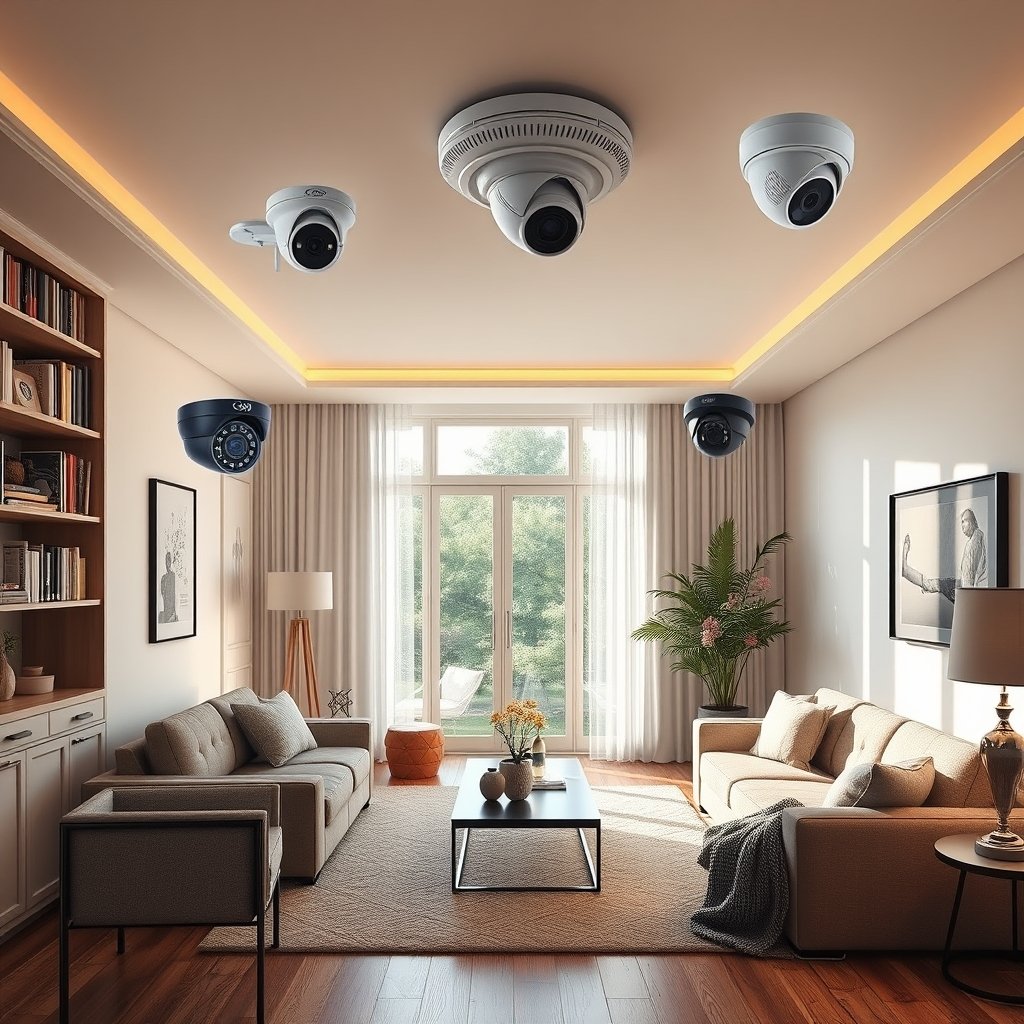
Technical Innovations Reshaping Hidden Cameras in 2024–2026
A major shift is underway in the best hidden security cameras for home protection. Over the past year, there’s been a leap forward:
- AI-Powered Motion Detection: Introduced in Q3 2023, these algorithms eliminate countless false alerts—one of the most persistent user complaints (Data Insights).
- Extended Battery Life: Ultra-compact indoor models as of Q4 2023 offer battery life exceeding 30 days on a single charge.
- 5G and Cloud Streaming: By Q3 2025, 5G-enabled hidden cameras will offer incredibly smooth, low-latency live feeds and remote cloud storage—even in consumer-grade models.
- Better Night Vision and Miniaturization: Enhanced low-light imaging is now the norm in premium devices, making discreet 24/7 monitoring possible.
- 4K Ultra HD Video: Market predictions suggest that by 2026, 70% of commercial models will support 4K for greater detail during investigations (Accio).
These innovations raise performance standards and also reduce upkeep, a key differentiator if you’re deciding between basic and advanced motion activated hidden cameras.
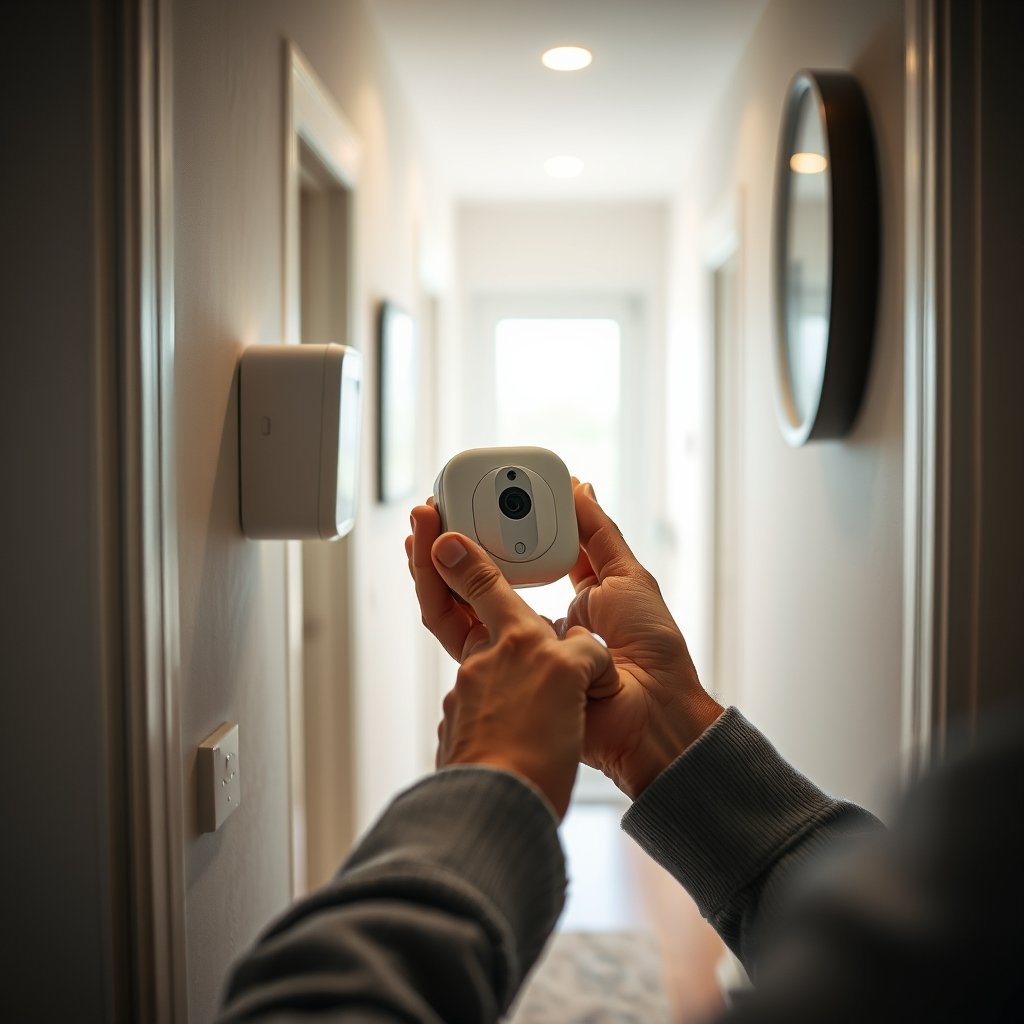
For in-depth reviews and recommendations on wireless hidden cameras for home, explore our best hidden security cameras for home buying guide.
User Experience—Common Complaints with Wireless Hidden Cameras
Unfortunately, there’s a remarkable lack of published data on real-world complaints about wireless models can struggle with weak Wi-Fi for home. Still, market experience suggests that two issues come up most:
- Unreliable Motion Activation: Early motion-activated hidden cameras frequently triggered from shifting light, pets, or even shadows. While AI has helped, occasional false alerts still frustrate users.
- Connectivity Drops: Wireless models can struggle with weak Wi-Fi, causing delays or missed recordings—especially in large or signal-blocked homes. Thick walls, crowded networks, and outdated routers worsen these issues.
Many users also report headaches around device pairing and syncing with mobile apps. For troubleshooting resources, see our guide to wireless hidden cameras for home setup and solutions.
Note: Despite research attempts, no recent studies offer precise data on user complaints in this niche. Honest user reviews remain your best source for product-specific insights.
Legal Considerations—What Are the Privacy Laws in 2024?
As hidden indoor security cameras become prevalent, privacy laws are evolving worldwide. However, research did not yield up-to-date, region-specific guidance for the US, UK, or EU as of 2024.
That said, it’s essential to stay vigilant: different states and countries may require you to inform family, guests, or employees of video monitoring. Laws impacting hidden security camera installation tips can change quickly, especially with rising privacy concerns (MetaStat Insight).
If you’re unsure about your jurisdiction, always consult legal resources before installation. For ongoing updates, our hidden indoor security cameras laws resource tracks key changes for homeowners and renters.
Costs, Lifespans, and Ongoing Fees—What to Expect from the Best Hidden Cameras
No comprehensive pricing or lifespan data exists for the best hidden security cameras for home. Still, buyers should budget for more than just the sticker price. Here’s what matters most:
- Upfront Hardware Cost: Ultra-compact wireless hidden cameras for home use typically range from affordable to premium, depending on features like AI, battery life, and 4K resolution.
- Cloud or Mobile App Subscriptions: Many models charge ongoing monthly fees for full cloud access, storage extensions, or AI-powered alerting.
- Maintenance and Battery Replacements: Quality devices can last 3–5 years, but battery-powered units may require periodic charging or cell swaps every few months.
As manufacturers race to launch smarter, more energy-efficient products, expect price drops and longer service life on new models. To compare the value proposition by brand and feature, head over to our hidden security camera installation tips and cost comparison guide.
Technical Specs That Matter—Choosing the Right Motion Activated Hidden Camera
Not all specs are created equal. When shopping for motion activated hidden cameras, prioritize features that maximize both performance and long-term satisfaction:
- Motion Detection: Look for 2023-or-newer AI models for smarter alerts and fewer false positives.
- Battery Life: Thirty-day minimum battery is now feasible in compact units—ideal for low-maintenance installs.
- Resolution: Aim for at least 1080p, but 4K is the new standard in next-gen commercial products (Accio).
- Field of View (FOV): Wide FOV (120° or more) ensures broad coverage of entryways or common spaces.
- Enhanced Night Vision: Standard with most premium models since 2024.
- Cloud Access & Remote Monitoring: Entry-level cameras as of 2024 now offer app-based streaming and unlimited storage upgrades.
For in-depth breakdowns of technical specs and recommendations, check out our motion activated hidden cameras buyer’s guide.
Hidden Security Camera Installation Tips—What Most Guides Miss
While most guides cover basic mounting and setup, several pro tips often go overlooked:
- Discreet Yet Effective Placement: Place hidden indoor security cameras where they blend in (inside household objects or decor), but maintain a clear, unobstructed view of areas of interest.
- Wi-Fi Signal Optimization: Position cameras within strong Wi-Fi range and use mesh routers or repeaters to avoid dropouts. Weak signals can trigger “offline” periods in wireless models.
- Post-Installation Privacy Audit: After setup, review footage from all angles for any unintended blind spots. Make sure cameras can’t inadvertently record neighbors or private property outside your own.
Most top-ranking articles don’t touch on these nuanced installation challenges or basic upkeep. For more in-depth help, consult our hidden security camera installation tips checklist before starting your own project.

The Future—How Next-Gen Covert Surveillance Cameras Benefit You
The next wave of covert surveillance cameras offers more than stealth. Here’s how technology breakthroughs directly benefit homeowners:
- Seamless Smart Home Integration: 5G and advanced app controls simplify management from any device or location (Data Insights Market).
- Fewer False Alarms: AI-powered analytics help distinguish between genuine threats and routine movement or noise.
- Reliability and Uptime: Better batteries and cloud fail-safes mean your cameras rarely miss vital recordings.
- Privacy Enhancements: Notably, the hidden camera detector market is projected to nearly double by 2032, reflecting growing consumer demand for privacy countermeasures (MetaStat Insight).
The rapid rise of both hidden cameras and detection devices means the privacy landscape is in flux—making it even more important to make informed purchasing choices.
FAQ
Are hidden home security cameras legal in the US?
Most states allow owners to install hidden home security cameras inside their property, but consent laws vary. It’s smart to review current privacy regulations in your state before installing any cameras, especially in shared or rented spaces.
How long do wireless hidden cameras for home typically last?
Many wireless hidden cameras for home use last 3-5 years. Battery-only models require more frequent recharging or battery changes. Advances in battery tech are extending lifespans each year.
Do I need to pay monthly fees for cloud storage?
While basic features are often free, advanced cloud storage, AI alerts, or longer video retention usually require a paid subscription. Read the fine print before buying to compare total cost of ownership.
Can hidden cameras be detected by guests or intruders?
Modern hidden cameras are very hard to spot, but specialized hidden camera detectors are getting better and more affordable. Be aware that privacy-conscious visitors may carry these devices.
What areas in my home are best for installing hidden cameras?
Focus on entrances, hallways, and shared living spaces. Always avoid installing in private areas like bedrooms or bathrooms, and be mindful of local privacy laws.