

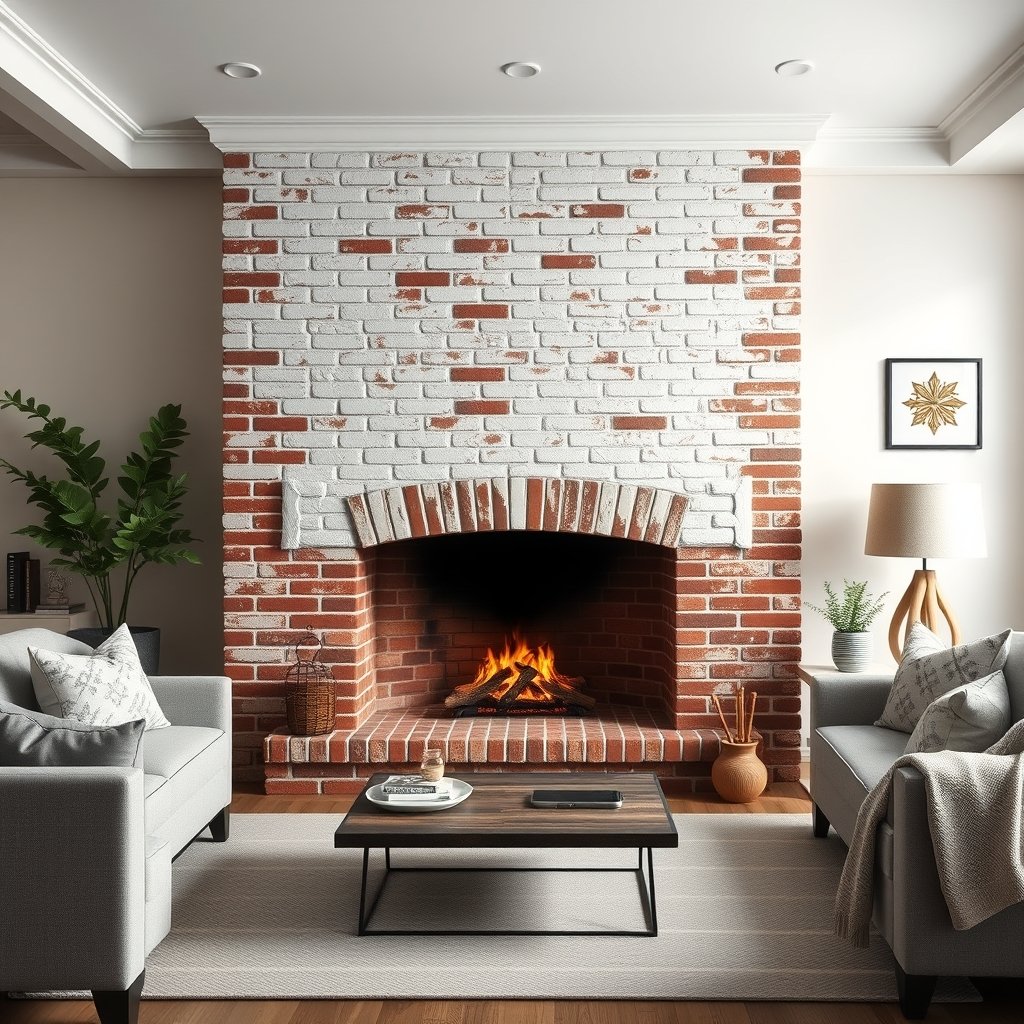
German smear fireplace transformations are one of the fastest ways to update a dated brick hearth with Old-World charm, using a mortar-based technique that gives bricks a textured and timeless look. If you want to master the German smear brick technique for your fireplace, this is your step-by-step guide—packed with professional insights, pitfalls to avoid, and actionable answers to common homeowner questions.
Key Takeaways
- The German smear fireplace look is achieved by smearing mortar over bricks, partially revealing their texture and color underneath for a rustic, European effect.
- Thorough surface prep, heat-resistant materials, and careful timing during application are vital for a lasting, beautiful result.
- Common mistakes include underestimating material needs and over-smoothing; embrace imperfection for an authentic finish.
- What Is the German Smear Brick Technique?
- Step-by-Step DIY Guide to Applying German Smear on Your Fireplace
- Common Challenges and How to Avoid Them
- Final Thoughts: Embracing the German Smear Look for Your Fireplace
- Frequently Asked Questions
What Is the German Smear Brick Technique?
The German smear brick technique is a classic DIY approach that uses a mix of mortar or tile adhesive to partially cover brick surfaces, creating an aged, textured finish reminiscent of old European cottages. Instead of hiding everything, the method allows some of the original brick to peek through, blending rustic charm with modern style. As noted in top DIY guides, “German smear specifically creates an aged, textured, and cohesive look with Old-World charm through mortar application that intentionally shows brick structure beneath.” This finish stands out from paint or limewash due to its tactile, layered depth and authentic character.
Step-by-Step DIY Guide to Applying German Smear on Your Fireplace
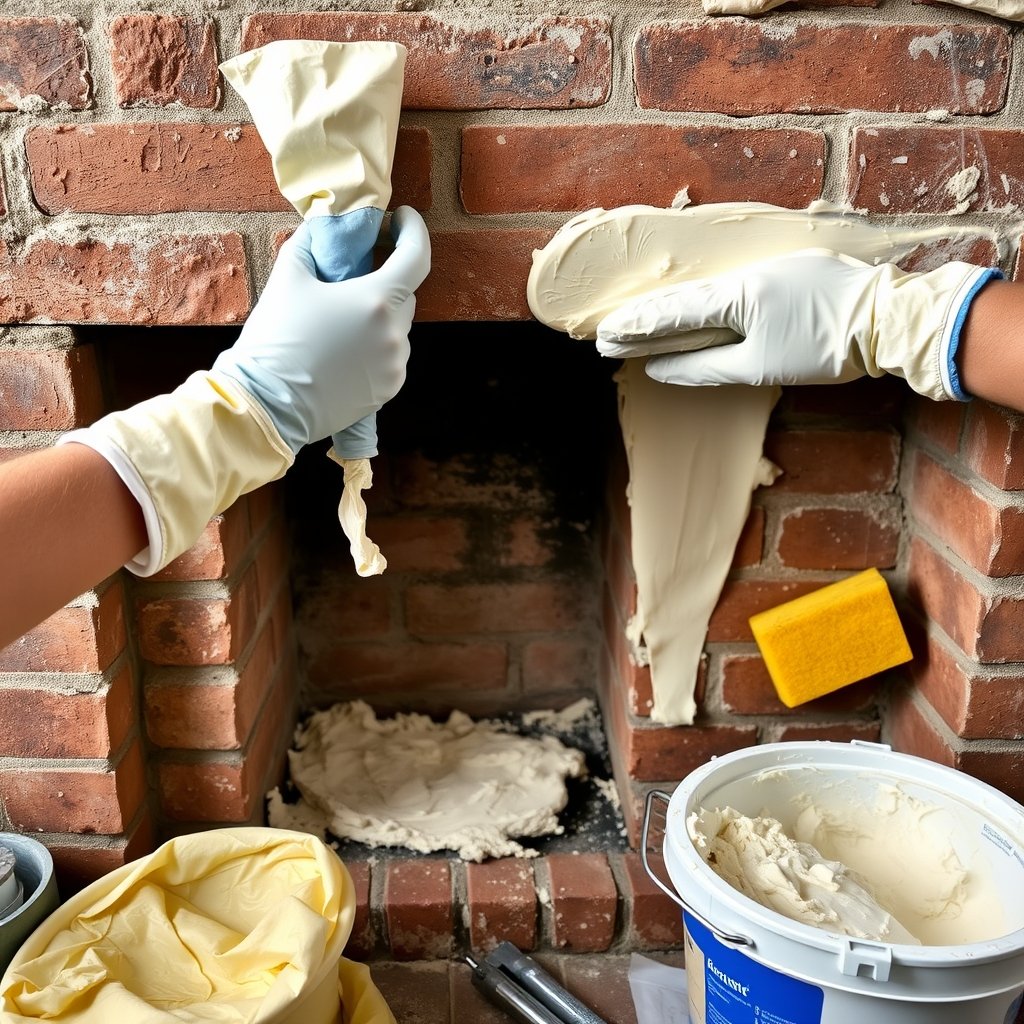
Transforming a fireplace with the German smear brick technique is achievable for most DIYers. Here’s how to get it right, from scrubbing bricks to the final wipe-down.
- Protect and Prepare Your Workspace
- Lay down drop cloths and tape off surrounding walls and mantels to protect surfaces from stray mortar (source).
- Wear gloves and old clothing; mortar and adhesives get everywhere.
- Clean the Brick Surface
- Scrub the fireplace with a mild degreaser like Simple Green, followed by a damp microfiber rag, and finish with a shop vacuum for debris (source).
- Mix Your Mortar or Adhesive
- Follow instructions for the German smear mortar wash or thinset; aim for a thick, creamy consistency—like peanut butter.
- If unsure about heat exposure, use tile adhesive (mastic/thinset) for active fireplaces (“Tile adhesive is the most popular option due to its creamy white color and heat resistance, critical for active fireplaces” source).
- Pipe Mortar Into Brick Gaps
- Smear and Smooth
- After a few minutes (but before fully dry), use a wet sponge to smooth and smear the mortar over the brick faces. Adjust pressure and coverage for your desired look; some bricks should peek through.
- “Wait a few minutes for the mortar to partially set (but not dry completely), then use a wet sponge to lightly smooth… This project is unapologetically messy, so prep is key.” (source)
- Let Dry and Decide on a Second Coat
- Most projects dry overnight. If the bricks seem too bold or not enough coverage, repeat the process for a second, lighter coat (source).
- Clean Up
- Use old towels and a bucket of clean water to wipe stray smears from flooring and mantels.
Material and Tool Checklist
- Mortar or premixed mortar (for most applications; see compatibility above)
- Tile adhesive/thinset/mastic (best for active fireplaces)
- Grout bag
- Putty knife or trowel
- Wet sponge
- Painters tape
- Drop cloth
- Gloves
- Bucket of water
- Ladder (for tall fireplaces)
- Old cloths for cleanup
Pro tip: Always buy more mortar than you think you need. “One DIYer needed twice the mortar than expected due to deep grout lines; the beauty lies in imperfection—don’t overthink smoothing.” (source)
For even deeper guides on materials and tools for brick makeovers, see How to Clean Soot Off Brick Fireplace.
What About Cost?
Material quantities vary—one homeowner estimated 3 gallons but used 6, depending on the depth of grout lines (source). There’s little formal cost data, so overbuy. For cost breakdown tips, visit our guide: Fireplace Remodel Cost Guide.
Common Challenges and How to Avoid Them
No matter how prepared you are, German smear fireplace projects come with challenges. Below are realistic problems—drawn from real homeowners and professional sources—and how to avoid them:
| Challenge | Consequence | How to Avoid |
|---|---|---|
| Underestimating Mortar Quantity | Project stops mid-way, color/texture mismatch on later batches | Order extra material upfront (1.5 to 2x estimated) |
| Over-Smoothing | Finish looks painted, lacks depth | Embrace imperfection; scrub lightly |
| Poor Timing | Difficult blending, patchy appearance | Wait a few minutes after application, but don’t let mortar fully dry before smoothing |
| Using Paint or Unsuitable Adhesive | Finish flakes, especially with fireplace heat | Use heat-resistant mortar or mastic/thinset |
| Lack of Prep | Hard-to-remove mess on floors, mantels, nearby walls | Protect everything with tape and drop cloths |
For deeper comparisons of German smear vs. limewash brick, see our German Schmear vs. Limewash Brick article.
Exterior Brick? Proceed With Caution
Applying German smear on exterior brick may look beautiful, but “no specific information available on exterior weather resistance or freeze-thaw impacts compared to interior fireplaces” (source). For outdoor projects, consult a masonry professional or consider a weather-specific product.
Safety and Ventilation
Gloves are a must—mortar is rough on hands, and dust control is crucial. However, as noted in leading tutorials, there is a lack of comprehensive guidance on ventilation or long-term health impacts. To be cautious, always ventilate the room and wear a dust mask while mixing mortar.
German Smear vs Limewash Brick Finish: What’s the Real Difference?
Direct comparative studies are limited, but here’s a quick breakdown:
| German Smear Fireplace | Limewash Brick |
|---|---|
| Thick, mortar-based, textured finish (Old-World feel) | Thin, paint-like finish; more uniform whitewash |
| Partial brick exposure, variable coverage | Consistent color, subtle brick texture only |
| Better depth and realism on close inspection | Easier to remove or dye, but less tactile depth |
| Requires more prep and is harder to reverse | Lower-commitment, usually cheaper |
For a longer read comparing brick finishes, visit our Best Fireplace Brick Finishes Guide.

Final Thoughts: Embracing the German Smear Look for Your Fireplace
German smear fireplace projects offer lovers of classic design a forgiving, hands-on way to revive tired brickwork and infuse spaces with authentic rustic charm. The technique’s greatest appeal lies in its natural, imperfect finish—“the beauty of German schmear lies in its imperfection and natural appearance.” With clear prep, the right materials, and a willingness to get a little messy, your fireplace can become the cozy centerpiece it deserves to be.
Ready to tackle your own German smear fireplace? Review our guide to fireplace painting vs. German Schmear and get started today!
Frequently Asked Questions
How long does a German smear fireplace take to complete?
Most DIYers finish in a weekend. Expect 1 day for prep, application, and a full 24 hours for drying between coats.
Can I reverse a German smear if I don’t like the result?
Removing a German smear is difficult once the mortar sets. Try a small test area first! To make less permanent changes, look into limewash instead.
Is German smear safe for use on a working fireplace?
Yes, if you use the right heat-resistant mortar or mastic/thinset. Never use regular paint or non-masonry adhesive for fireplaces that are in use.
What’s the difference between German smear and whitewash?
German smear uses thick mortar to add texture and depth, partially covering bricks. Whitewash is a runnier solution that coats the surface, creating a lighter, less textured effect.
How should I maintain my German smear fireplace?
Lightly dust or vacuum to clean. For stains, use mild soap and water. Avoid harsh chemicals and abrasive scrubbers to maintain the mortar’s texture.