

Fluted wall panel DIY projects have become one of the fastest ways for intermediate DIYers to create stunning, textured accent walls that look custom—without busting your renovation budget. If you want a professional result, especially in tricky areas like bathrooms, mastering material selection, accurate budgeting, and precision installation is key. This step-by-step guide covers cost breakdowns, material choices, proven methods, and how to avoid common mistakes so you can confidently tackle your own reeded or fluted wall panel upgrade.
Key Takeaways
- Know your materials: Choose fluted MDF for dry areas and WPC or PVC for bathrooms—always order extra panels for less stress and a flawless fit.
- Measure and cut with precision, use moisture-resistant adhesives, and apply finishing touches like color-matched caulk for seamless professional results.
- Budget realistically: DIY fluted accent wall cost ranges from $200 for a small project to $400+ for premium, with material durability and room conditions influencing your final choice.
- Understanding Fluted Wall Panel DIY Costs and Material Options
- Step-by-Step Installation Guide: Overcoming Common DIY Challenges
- Selecting the Right Materials and Tools for Moisture-Prone Areas Like Bathrooms
- Comparing Fluted MDF Panels to Other Materials: Durability, Cost, and Ease of Installation
- Creative Design and Placement Ideas for Fluted Wall Panels in Modern Interiors
- Troubleshooting and Avoiding Common DIY Pitfalls for Fluted Wall Panel Projects
- Conclusion
- FAQ: Fluted Wall Panel DIY
Understanding Fluted Wall Panel DIY Costs and Material Options
Fluted wall panel DIY projects are a striking upgrade, but a realistic budget and smart material choice are critical for success. For a small feature wall (think kitchen or bedroom accent), your DIY fluted accent wall cost starts around $200 for affordable stick-on PVC or entry-level fluted MDF panels. Expect individual stick-on panels to run about $27 each, or real wood and composite alternatives reaching $20–$50 per square foot for a premium finish (source).
Material costs in 2024 break down as follows: stick-on fluted panels offer the most budget-friendly route (roughly $27 each), while MDF and PVC options cost between $27–$400 per wall panel equivalent depending on thickness and finish (source). If choosing real wood, costs jump to $20–$50/sq ft and require extra prep and finishing. Ordering at least 10% more panels than your measurements indicate is a must—miscalculations or breakage can happen during installation.
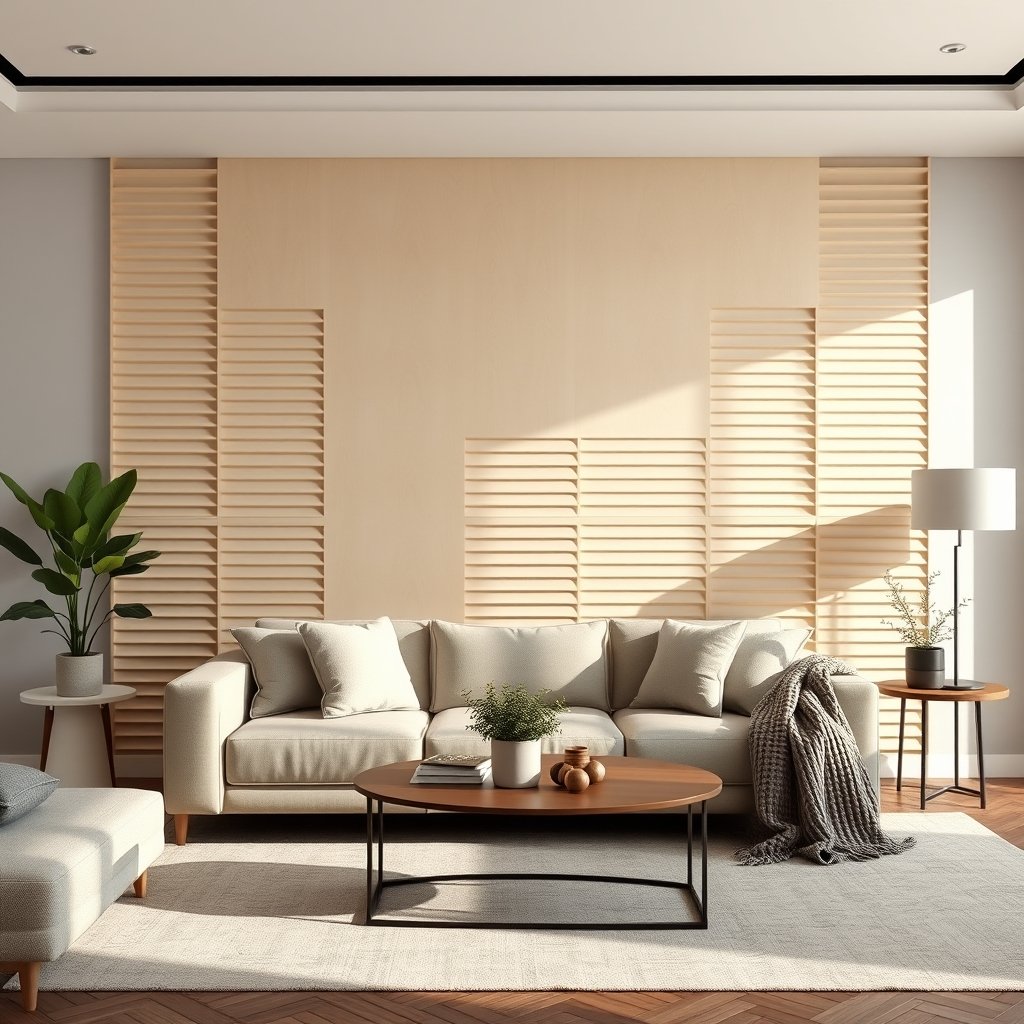
Budget tip: After subtracting any wall frames or trim from your wall width (e.g., if framing with 3.5″ MDF boards), divide the remaining inch count by your panel width. Ordering extra ensures you can handle cuts, errors, or warped boards—see fluted MDF panels for sizing options and guidance.
Step-by-Step Installation Guide: Overcoming Common DIY Challenges
Getting a crisp, uninterrupted look with fluted wall panels requires precise prep. Here’s how to install fluted panels like a pro, avoiding rookie errors.
- Measure & Plan Properly. Measure your full wall width and height. If framing with MDF, deduct total frame width from the wall width. Divide the result by the panel width (e.g., 100″ / 3.5″ = 29 boards). Always add a couple extra for mistakes or future repairs.
- Mark and Cut Panels. Use a quality measuring tape and sharp marker. For stick-on or pre-fluted MDF panels, a fine-tooth saw yields the cleanest edges with less tearout. For bathrooms, ensure your panels are moisture-resistant PVC or WPC.
- Prepare Wall Surface. Walls should be clean and dust-free. For rough or uneven walls, a skim coat of joint compound helps create a flat base for adhesive contact.
- Apply Adhesive. Use a construction adhesive suited to your panel material and wall type. Apply beads with a caulking gun, then gently press panels onto the wall. A few headless nails or a brad nailer can help secure heavier panels, especially on ceilings or overhead applications.
- Check Alignment Frequently. Use a long level after every 3–4 panels. Slight adjustments early on stop alignment drift or ugly seams from multiplying across the wall.
- Finishing Touches. Once adhesive sets (full cure is 24 hours for most products), use color-matched caulk or wood filler to hide joints and fill any small gaps. Lightly sand if painting or staining later.
- Inspect and Protect. For bathrooms or kitchens, apply a moisture-resistant sealant around edges where water could seep between panels and wall.
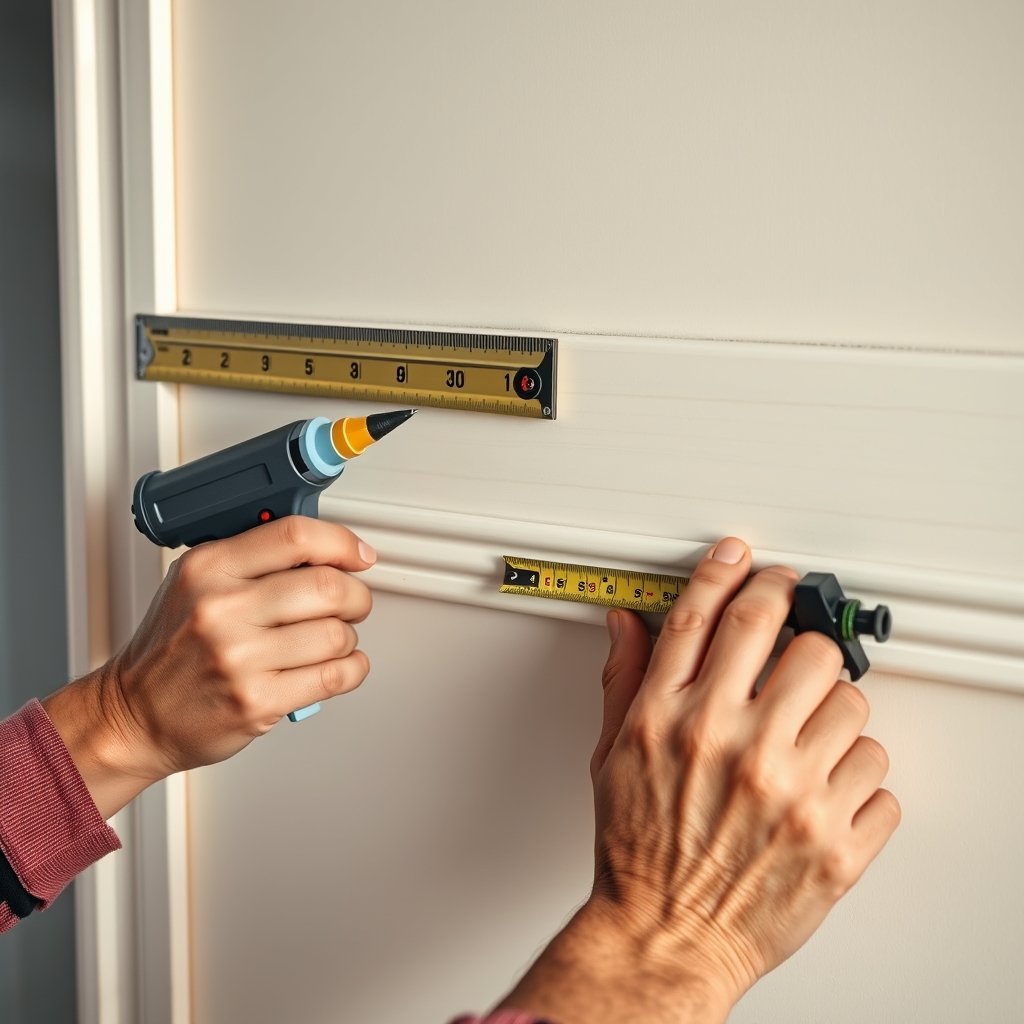
If you run into issues with uneven edges, remeasure and adjust your remaining panels before proceeding. Most time overruns happen due to slow adhesive drying (especially in humid weather) and fixing earlier mistakes—be patient for best results.
Selecting the Right Materials and Tools for Moisture-Prone Areas Like Bathrooms
Installing fluted wall panels in a fluted wall panel bathroom demands more than style—you need real moisture resistance to prevent swelling, warping, or mold issues. For any space exposed to steam, humidity, or splashing (showers, vanity walls, laundry rooms), switch from standard fluted MDF panels to WPC (wood-plastic composite), solid PVC, or PVC stick-on panels (source).
Key material options for wet areas:
- WPC/Composite Panels: Resist water, steam, and UV. Maintain color and integrity without selling out your budget. Use these for shower surrounds or tub enclosures for spa-like drama.
- PVC Fluted Panels: Super-light, fully waterproof, and easily cut with a knife. Perfect for vanity walls or kitchen backsplashes.
- Avoid standard MDF in bathrooms: It swells irreversibly with long-term moisture exposure—even with paint or primer.
For professional, long-lasting results, use:
- Moisture-resistant construction adhesive (rated for bathrooms).
- High-quality color-matched caulk or paint-grade filler formulated for humid areas.
- Interlocking profiles if possible, which block water from reaching wall seams (tongue-and-groove panels).
Your essential tool list includes a reliable measuring tape, hand or power saw (for straight, chip-free cuts), caulking gun, spirit level, and painter’s tape for holding panels during the adhesive cure.
Prime and seal any exposed cut edges—especially with composites—to prevent water entry over time. For more about choosing panels and prepping for wet zones, explore our guide on fluted wall panel bathroom design best practices.
Comparing Fluted MDF Panels to Other Materials: Durability, Cost, and Ease of Installation
Not sure which panel suits your room, budget, or skill level? Here’s how fluted MDF panels match up against WPC/composites, real wood, and stick-on PVC:
| Material | Durability | Ease of Installation | DIY Fluted Accent Wall Cost |
|---|---|---|---|
| Fluted MDF | Moderate; not suited for bathrooms | Very easy for standard walls | Low to medium ($27–$400) |
| WPC/Composite | High; water & UV resistant | Easy; especially with tongue-and-groove | Medium (less than wood; more than MDF) |
| Natural Wood | High if sealed; premium look | Challenging; heavier, needs careful finishing | High ($20–$50 per sq ft) |
| PVC/Stick-on | Very high in moisture | Easiest (peel-and-stick; 24hr dry) | Lowest ($27 panel; $0.48–$2.40 per sq ft) |
If you’re working on a tight budget for standard living rooms, try MDF—but for wet spaces or long-term use, WPC and PVC provide much better durability and a more polished result. Learn more in our detailed breakdown of fluted MDF panels and DIY fluted accent wall cost for all materials.
Creative Design and Placement Ideas for Fluted Wall Panels in Modern Interiors
Ready to add dimension with something more original than a painted accent wall? Here are trending reeded wall panel ideas and applications for your next remodel:
- Vertical feature walls: Frame a 114” wide wall with fluted boards for visual punch, as seen in on-trend bedrooms or open-plan living rooms.
- Fluted panel headboard wall: Take panels up behind a bed or extend them to the ceiling for dramatic, hotel-style texture. Finish with soft, minimalist color palettes for a calming retreat vibe.
- Modern kitchen accents: Use fluted PVC or MDF for a durable, easy-clean finish above counters or along breakfast nooks (source).
- Moisture-resistant bathroom walls: Achieve a spa look using fluted wall panel bathroom installations—choose WPC panels for shower surrounds or as a vanity backdrop for today’s favorite organic-modern interiors.
Remember, less is more. Most designers recommend limiting fluted details to a single accent wall rather than full-room coverage. To create a tailored look with modern character, check our gallery of reeded wall panel ideas featuring real-life homeowner solutions and clever placement tricks.
Troubleshooting and Avoiding Common DIY Pitfalls for Fluted Wall Panel Projects
Even the best DIY plans can hit snags. Here’s how to spot and fix the mistakes most often made by home renovators attempting a fluted wall panel project:
- Adhesive or drying delays: Most construction adhesives require a one-day cure. Don’t rush the process, and secure panels with painter’s tape or temporary bracing to prevent slippage or sagging in the first hours.
- Measurement mishaps: Failing to subtract frame width from your total wall width causes shortage headaches and forces “patch” pieces. Triple-check your math before cutting anything.
- Misaligned flutes or visible seams: Use a long level every few panels and fill microgaps after installation. Color-matched caulk or filler creates an uninterrupted finish but takes patience.
- Low-end MDF disappointment: Bargain MDF often chips easily, swells, or looks “cheap” over time—especially in homes with temperature swings or humidity. Invest in prime material, or upgrade to WPC for long-term satisfaction.
- Beginner cuts: Jagged ends from rush jobs or dull saws lead to rough gaps. Practice on a scrap first. Always order 2–3 extra panels to allow for error, which is cheaper than making repeated hardware store trips mid-project.
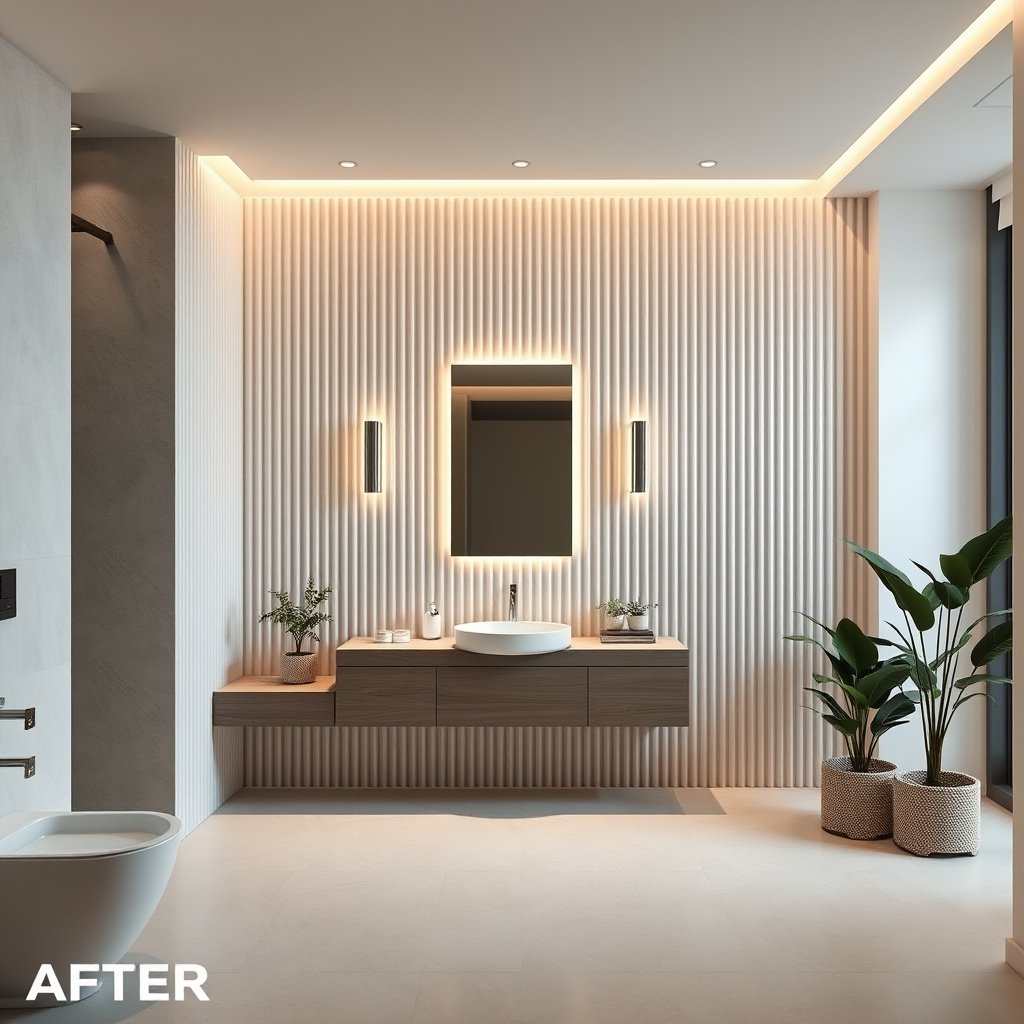
Extra resources can be found in our series on how to install fluted panels, long-term maintenance, and fixing panel gaps.
Conclusion
Your dream fluted wall panel project is absolutely achievable with smart planning, careful measurement, and a clear understanding of your moisture conditions. By choosing the right material for each room, practicing precise installation, and following tips to avoid DIYer pitfalls, you can create a custom accent that’s functional and beautiful for years—not just a weekend trend. For more inspiration, reviews, and advanced tips, browse our guides on DIY fluted accent wall cost, fluted MDF panels, and fluted wall panel bathroom ideas. Get started today with your own fluted wall panel DIY upgrade and enjoy a professional finish without the pro price tag.
Ready to transform your space? Start planning, order your panels, and share your results with our DIY community!
FAQ: Fluted Wall Panel DIY
What types of fluted wall panels can I use for a bathroom or wet area?
Choose WPC (wood-plastic composite) or solid PVC fluted panels for bathrooms. Both are highly moisture-resistant. Avoid standard MDF in wet areas because it can swell and sustain permanent damage.
How do I calculate how many fluted panels I need for a feature wall?
Measure your total wall width, subtract any framing, then divide by your chosen panel width. For example, a 114″ wall with 14″ framing and 3.5” wide panels needs (100”/3.5”) about 29 panels. Always order a few extras for errors.
What’s the average cost for a DIY fluted accent wall?
Costs vary by material, but a budget fluted MDF or stick-on PVC accent can be done for around $200–$400 in most cases. Premium real wood fluted panels can cost $20–$50 per sq ft. For best results, consult our DIY fluted accent wall cost guide.
How do I hide seams and gaps in fluted wall panels?
Use color-matched caulk or wood filler on joints. After drying, lightly sand, then paint or finish. Checking level frequently and practicing cuts beforehand also helps reduce visible seams.
What are the biggest mistakes to avoid when installing fluted panels?
Biggest mistakes include incorrect measurements, rushing adhesive curing (causing panel sliding), and using the wrong material in high-humidity spaces. Take your time, use moisture-appropriate panels and adhesives, and triple-check measurements before cutting.