

Biophilic design home strategies are reshaping how city dwellers bring the calming influence of nature into tight, urban spaces—often with big benefits for well-being and mental health. If you feel boxed in by four walls and concrete, but want wellness-focused style you CAN actually pull off, this guide is for you.
Key Takeaways
- Biophilic design benefits mental health, gives urban homes a natural boost, and can be achieved in small spaces with creative solutions.
- Major obstacles include limited space, light, cost, and maintenance—but vertical gardens, mirrors, and the right plant choices help overcome these.
- Realistic, step-by-step approaches and practical advice reduce overwhelm and ensure your biophilic design home is both beautiful and sustainable.
- Understanding Biophilic Design and Its Mental Health Benefits
- Key Challenges Homeowners Face When Implementing Biophilic Design in Small or Urban Spaces
- Smart, Space-Saving Biophilic Interior Design Ideas for Urban Living
- A Beginner’s Guide to Indoor Living Wall DIY Projects: Costs, Materials, and Maintenance
- Designing a Biophilic Bedroom: Practical Tips for Restorative Spaces
- How Climate and Geography Influence Your Biophilic Design Choices
- Common Wellness Improvements Reported With Biophilic Homes (General Insights)
- Overlooked Opportunities: Innovative Directions in Nature Inspired Home Decor
Understanding Biophilic Design and Its Mental Health Benefits
Biophilic design for the home is about intentionally weaving elements of nature—plants, natural light, organic forms, textures, and colors—into your living spaces. This isn’t just about aesthetics. According to the general scientific consensus, biophilic design benefits mental health by promoting a sense of calm, reducing stress, and making people happier overall.
Research consistently finds simple acts, like adding houseplants or viewing nature-inspired art, have a measurable calming effect. Green tones naturally soothe the mind. Nature views, daylight, and plant life support healthier moods and deeper relaxation (source). That’s why biophilic design home principles are at the heart of the wellness-inspired interiors trend.
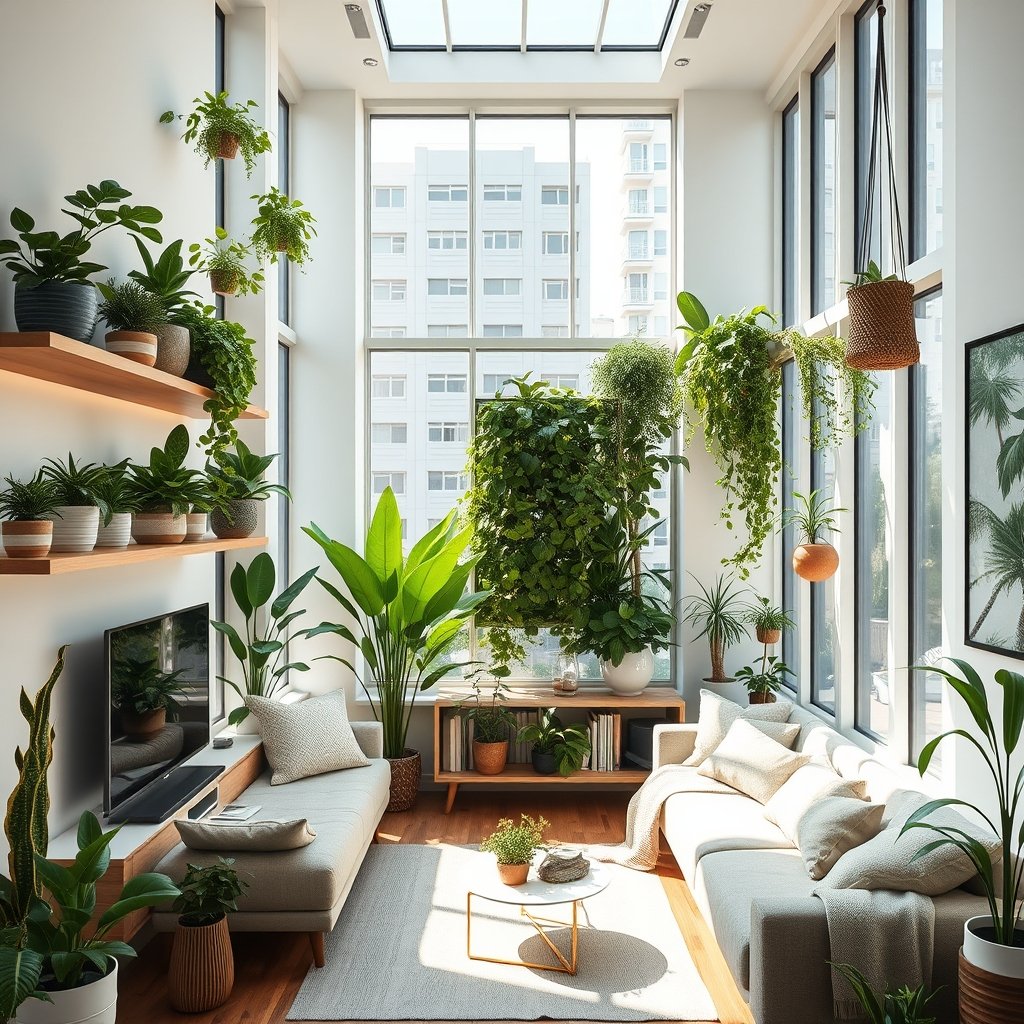
Key Challenges Homeowners Face When Implementing Biophilic Design in Small or Urban Spaces
For most small-space and urban dwellers, executing biophilic interior design ideas comes with unique obstacles:
- Limited, awkward space: Greenery can crowd tabletops or floors in tight rooms and create clutter.
- Upfront and ongoing costs: Living walls, large planters, and real wood or stone can get pricey.
- Maintenance headaches: Many houseplants require the right humidity, light, and regular care to thrive—if not, they droop, drop leaves, or die.
- Lack of natural light: Many city apartments or condos suffer from shaded windows, which stunts plant growth and affects your biophilic design home’s success (Lack of natural light: source).
- Balancing function and form: Fitting green elements without losing essential living space, especially in studios or odd-shaped dwellings, remains a constant challenge.
Most importantly, people often feel overwhelmed by the time, knowledge, and effort biophilic design can require—sometimes leading to a half-finished project or a “plant graveyard” in the corner.
Read more about practical challenges and solutions for biophilic design in small spaces.
Smart, Space-Saving Biophilic Interior Design Ideas for Urban Living
The key to effective biophilic design in the city is to go vertical, use light wisely, and choose resilient plants. Here are actionable strategies:
- Vertical gardens / living walls: These maximize greenery without stealing any floor space. You can use modular panel kits for a custom size, or even upcycle old bookshelves (source).
- Hanging planters: Suspend greenery from the ceiling or above windows. Macrame hangers, simple hooks, or even wall-mounted shelves work for trailing plants.
- Mirrors: Place mirrors opposite windows or plant displays to reflect light and greenery, visually doubling nature’s effect.
- Natural light optimization: Choose lightweight window treatments or add a skylight if possible. Keeping sills and neighboring surfaces clear lets every sunbeam do more work.
- Smart plant selection: Go for low-light-tolerant, compact varieties such as pothos, snake plant, or ZZ plant. These thrive with indirect sun and demand little maintenance.
Remember: Both vertical living walls and suspended planters boost the impact of greenery, but will require a watering routine and regular pruning for lushness.
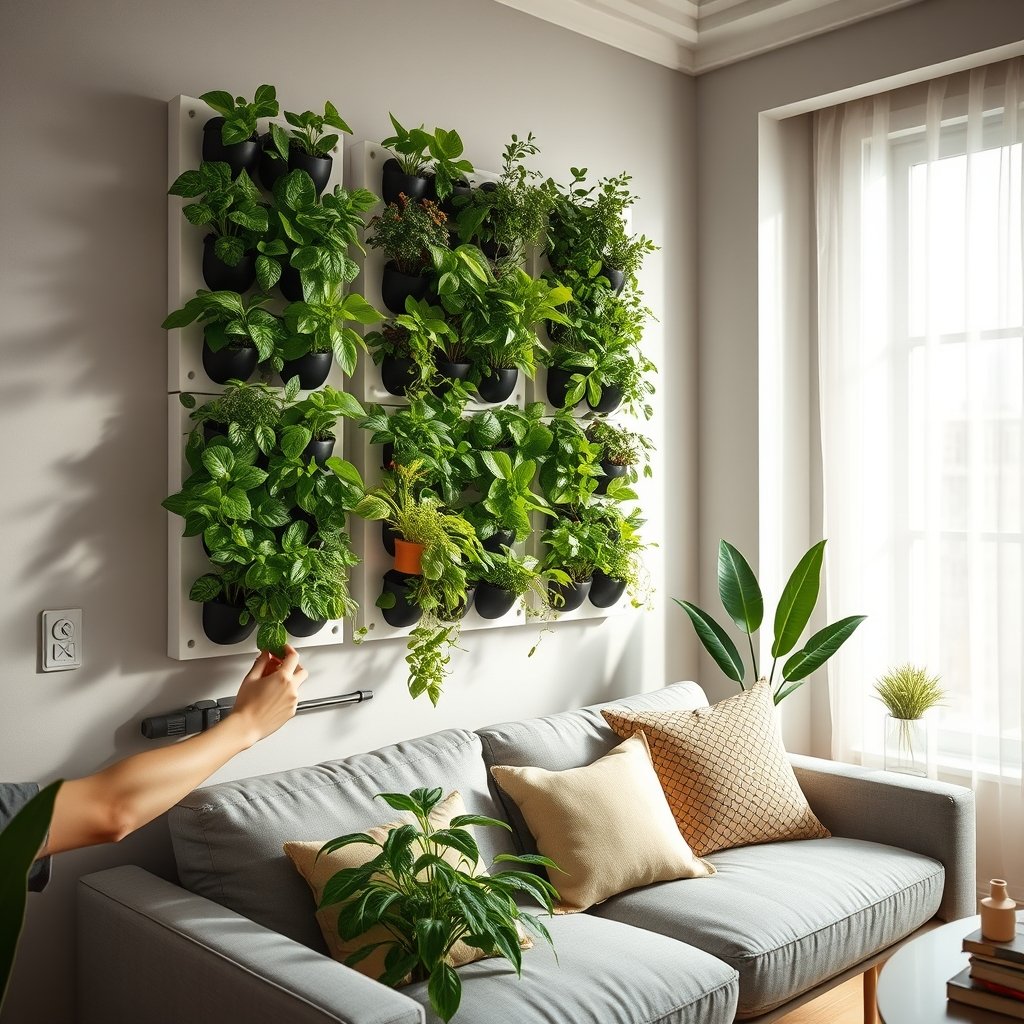
For a deeper look at clever nature inspired home decor hacks, check out our guide to trending biophilic home decor.
A Beginner’s Guide to Indoor Living Wall DIY Projects: Costs, Materials, and Maintenance
Creating an indoor living wall yourself can seem daunting, but breaking it into manageable steps makes it realistic, even in a small apartment source.
- Choose your location: Walls near natural light are best, but alternatives like kitchen backsplashes or entryways can work with shade-tolerant plants.
- Materials: You’ll need modular wall panels or a sturdy trellis, waterproof backing, planters or planting pouches, high-quality potting soil (or a hydroponic setup), a drip tray, and desired plants.
- Cost: Average costs vary—plan for a basic small wall (up to 4 feet wide) to run $80-$250 for the panel, soil, and starter plants. Prices climb quickly with designer modules or built-in irrigation.
- Plant choice: Opt for local or climate-appropriate, low-care species (e.g., philodendron, ferns, spider plant). Native plants are most resilient, as outlined in our low-maintenance plant recommendations.
- Maintenance: Plan for weekly to biweekly watering, deadheading, and dusting leaves. Hydroponic living walls reduce soil mess but can require more monitoring for leaks or algae.
Installing an indoor living wall is a hands-on project. Long-term success hinges on consistent care and choosing greenery that matches both your climate and lighting conditions.
For more tips and room-by-room inspiration, don’t miss our room-specific biophilic ideas.
Designing a Biophilic Bedroom: Practical Tips for Restorative Spaces
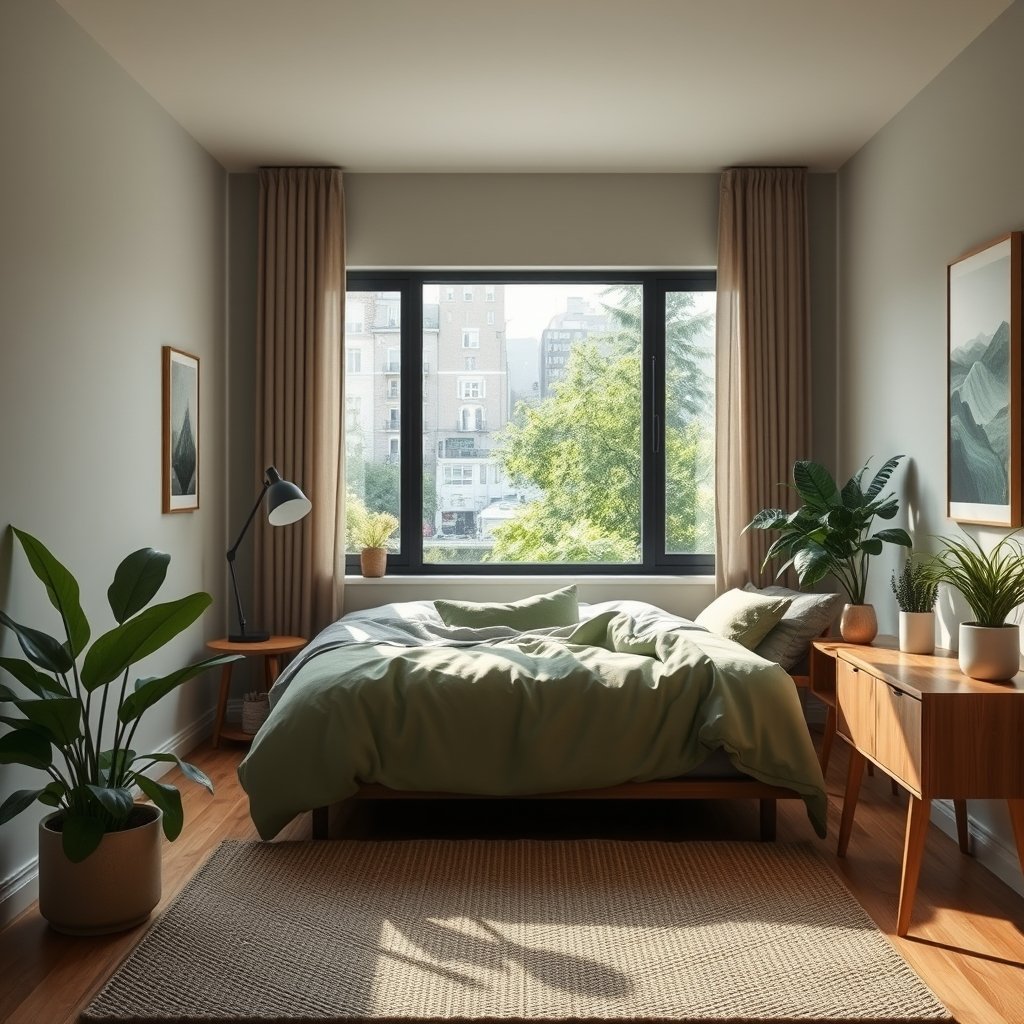
A biophilic design bedroom can be your daily wellness retreat—no matter your square footage. Here’s how to apply biophilic design principles at home, especially for sleep health:
- Color: Start with a palette of soft greens, muted blues, or earthy ochre. These colors mimic calming outdoor environments and create a sense of sanctuary.
- Natural textures: Opt for linen bedding, rattan lampshades, or wooden nightstands. Tactile variety supports relaxation.
- Nature views or art: If you lack a good window view, hang landscapes, botanical prints, or even a vertical garden panel as wall art.
- Air-purifying plants: Snake plant and peace lily suit bedrooms: they need little light, are compact, and help clean the air at night (source).
- Seamless transitions: Keep the view between indoors and your nearest balcony or window open for maximum nature influence, even if it’s just a single potted plant basking in the sun.
Current resources rarely offer genuine step-by-step biophilic design home guides for specific rooms—so don’t be afraid to experiment and adjust, based on your own comfort and needs.
Looking for deeper advice? Our restorative bedrooms guide explains more on using biophilic design principles for better sleep.
How Climate and Geography Influence Your Biophilic Design Choices
Where you live shapes which biophilic interior design ideas will work best. Urban apartments with deep shade need ultra-hardy, low-light plants and perhaps a greater focus on nature-inspired finishes or art, since big-leafed plants may struggle.
- Choose native and climate-adapted plants: These require less water, bounce back from neglect, and reduce the risk of infestations.
- Maximize natural views: If you have access to even a partial cityscape with trees, position seating to face the greenery and use sheers instead of blinds.
- Vertical solutions: For densely packed urban areas, prioritize wall-mounted and vertical living wall DIY options to get the most impact per square foot.
- Leverage outdoor microspaces: Balconies, window boxes, or a ledge can be small sanctuaries with clustered pots of herbs or regional wildflowers.
For more context on how local climate affects your design, consult our overview on biophilic design principles at home and how to tailor them for city or suburban life.
Common Wellness Improvements Reported With Biophilic Homes (General Insights)
Even without precise new statistics, the consensus is robust: Integrating elements of nature into your home is good for your mental health. Homeowners consistently report lower daily stress, improved mood, flashes of creativity, and a stronger sense of contentment after adding houseplants, nature views, or even organic-inspired décor.
While we await more studies, anecdotal evidence and past research suggest that a biophilic design home has both subtle and significant wellness advantages (source).
For creative ways to boost these effects, explore our tips for wellness-first interior design.
Overlooked Opportunities: Innovative Directions in Nature Inspired Home Decor
Most biophilic design advice in blogs covers vertical gardens, natural surfaces, or maximizing light, but a few creative avenues remain underexplored:
- Integrated tech: Use smart lighting to mimic sunrise or nature-inspired sound machines for gentle background “birds or rain” in windowless rooms.
- Multisensory biophilia: Scented candles (pine, cedar, wildflowers), subtle water features, and textured wall covers increase nature’s presence even where real foliage is impractical.
- Adaptive, flexible living: Redesign multi-use rooms (like living/office/bed space) with mobile plant stands, curtain partitions with organic patterns, or fold-away wall gardens that can be reconfigured at will.
Innovation means making nature-inspired features easy to maintain and adapt, especially for renters or those in ultra-small, multi-function living areas.
For more inspiration and creative hacks, see our guide to flexible biophilic interiors.
Conclusion
A biophilic design home is absolutely within reach—whether you’re working with 600 square feet or less, or navigating a challenging city floor plan. By using vertical and hanging greenery, harnessing the right materials, and choosing local, low-maintenance plants, you can unlock the proven mental health benefits of nature, right at home. Ready to transform your space? Visit our full biophilic design hub for more step-by-step guides and inspiration—it’s the easiest way to start your journey to a happier, healthier home today.
Frequently Asked Questions
What is biophilic design in a home?
Biophilic design is the practice of incorporating natural elements such as plants, natural textures, daylight, and nature-inspired décor into your living spaces. Its goal is to improve well-being, comfort, and mental health using nature’s influence.
How can I use biophilic design in a small apartment?
Go vertical with wall panels or hanging planters, focus on compact, low-care plants, and maximize the light you have with mirrors or light fabrics. Even small additions—like a plant shelf or nature print—make a real impact.
Are there low-maintenance plants best for biophilic design homes?
Yes. Snake plant, pothos, spider plant, and ZZ plant are robust, need little light, and tolerate missed waterings, making them perfect for urban or busy lifestyles.
Do I need lots of sunlight for biophilic design to work?
No. While sunlight helps, creative solutions such as LED grow lights, mirrors, and high-quality faux plants let you enjoy biophilic design benefits even in shadier homes.
How do I keep my biophilic home from becoming cluttered?
Strategically use vertical space, group plants together on shelves, and regularly tidy or prune. Limit yourself to a focused palette of natural finishes for a calming, cohesive effect.