

While peel and stick floor tile over existing tile can work in certain situations, it requires careful prep and realistic expectations to avoid early failure.
peel and stick floor tile over existing tile sounds like the ultimate shortcut—just lay it down, press, and move on. But the glossy marketing hides crucial truths and some tough consequences. If you’re looking for a quick kitchen or bathroom floor refresh, read this before you risk wasted time, money, or your rental deposit.
Key Takeaways
- Most manufacturers do not recommend installing peel and stick floor tile over existing tile, which can void warranties and reduce durability.
- Neglecting prep—especially cleaning, drying, and sanding—causes more failures than weak adhesives or poor-quality tiles.
- Layout planning and realistic expectations about adhesive strength are key to avoiding common mistakes and disappointment.
- Can You Really Install Peel and Stick Floor Tile Over Existing Tile? A (Manufacturer-Backed) Reality Check
- Preparation is Everything: How to Prep Your Existing Tile Floor for Peel and Stick Success
- Top Mistakes and Common Complaints: What DIYers Wish They Knew First
- Manufacturer Recommendations and Warranty Red Flags
- Layout Planning, Cost, and the Secrets to a Professional Finish
- Worth It? Real-Life Pros, Cons, and When to Choose (or Skip) Peel and Stick Over Old Tile
- FAQ: Your Most Important (but Rarely Answered) Peel and Stick Tile Over Existing Tile Questions
Can You Really Install Peel and Stick Floor Tile Over Existing Tile? A (Manufacturer-Backed) Reality Check
Let’s be blunt—most packages of peel and stick floor tile pitch you a dream: just peel, stick, and enjoy brand new floors with no demolition. But dig into official docs or warranty sheets, and you’ll spot a common theme—“Manufacturer disclaimers advise against installation over existing tile… If you choose to do so please do so at your own risk.” (source)
What this means is simple: If your project fails or peels up, forget about warranty support. You’re on your own for repairs or replacements. Even if you find “special” peel and stick vinyl floor tile that says it’s “installable anywhere,” you need to read the fine print. Most brands are only referring to wood, concrete, or clean vinyl—never old ceramic.
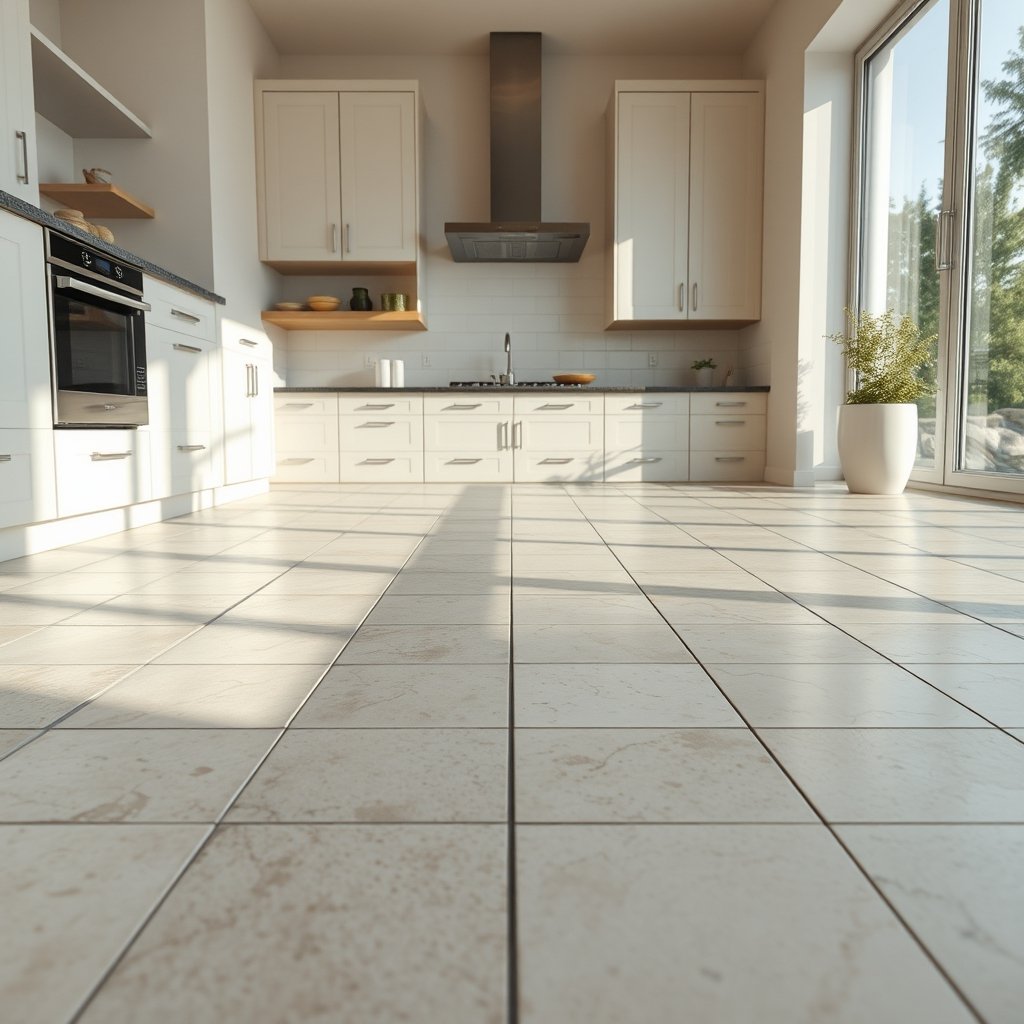
That doesn’t mean you can’t do it. But if long-term durability, resale, or warranty protection matter for your bathroom or kitchen project, this shortcut isn’t risk-free. (Learn more about choosing bathroom-safe peel and stick tiles.)
Preparation is Everything: How to Prep Your Existing Tile Floor for Peel and Stick Success
Proper preparation is the single biggest factor in whether peel and stick floor tile over existing tile succeeds or starts lifting within weeks.
Nine out of ten failed peel and stick floor tile bathroom projects share the same root cause: poor prep. Skipping cleanup, sanding, or adhesion test almost guarantees your tiles will lift, curl, or shift after installation.
Here’s the step-by-step to maximize your odds of a lasting job, no matter what adhesive marketing says:
- Inspect the existing floor—tiles (ceramic or vinyl) must be level, crack-free, and solidly bonded. Loose, bouncy, or hollow-sounding tiles? Fix these before you start.
- Clean and degrease using a no-residue tile cleaner. Remove all dust, oils, and buildup. Any greasy spots will kill adhesion instantly.
- Dry fully—if your bathroom, kitchen, or laundry floor isn’t 100% dry, moisture will break the adhesive bond in weeks. Wait at least 12-24 hours after washing the floor before proceeding. (source)
- Sand glossy tiles—run a fine sanding block over any shiny or glazed ceramic for better grip. Remove dust with a damp cloth and let dry.
- Adhesion test—stick a single tile in an inconspicuous spot. Leave it for 2 days. Try gently tugging the edge; if it lifts easily, an underlayment or a different approach is needed.
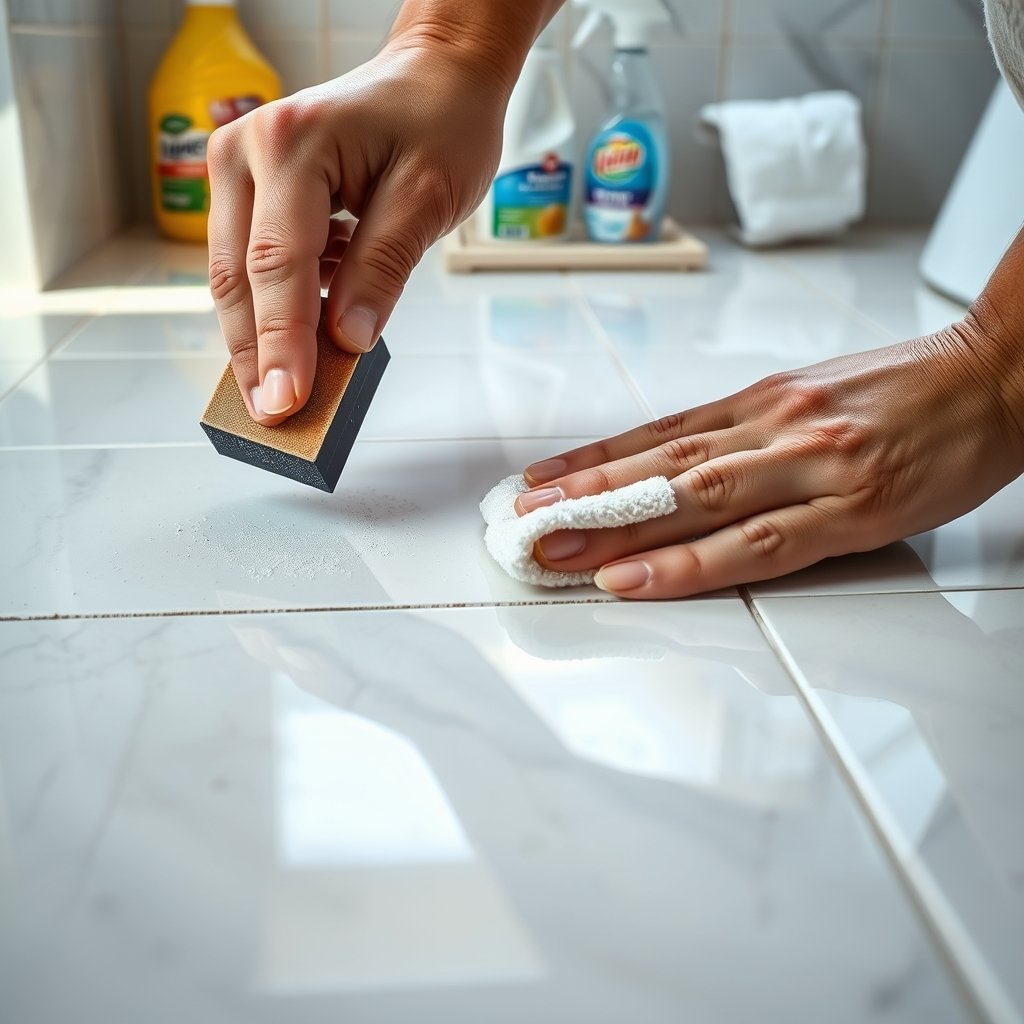
If you ignore these steps, you’re joining the crowd whose number one complaint is, “the adhesive isn’t strong enough” (source). Take five extra minutes per step, and you might triple the lifespan of your new floor.
Find more tips on surface prep in our detailed installation guide.
Top Mistakes and Common Complaints: What DIYers Wish They Knew First
Before you splurge on that “peel and stick tile that looks like wood,” it’s worth facing the most frustrating user experiences:
- Weak Adhesive Bonds—high-traffic areas or heavy furniture cause tiles to shift, curl, or pop up. The top complaint: “Adhesive isn’t strong enough.” (source)
- Furniture Damage—pushing chairs, dressers, or appliances across the floor instantly breaks the adhesive grip or tears tiles. Be prepared to lift and carry all furniture.
- Moisture Intrusion or Humidity—even a single damp tile can cause peeling and adhesive delamination, especially in bathrooms.
- Unlevel Surfaces Mean Lumpy Installs—tiles telegraph every bump, grout line, and imperfection underneath. No amount of pressing will hide a poor base.
- Missed Layout Planning—not marking a center point or dry-laying the first row can result in tiny edge tiles and an amateur look. (For a kitchen, start in the center and lay outwards for best symmetry—see our kitchen case studies.)
| Pitfall | Root Cause | Prevention How-To |
|---|---|---|
| Peeling or Curling Tiles | Unprepped, glossy, oily, or damp surfaces | Always sand and clean; perform an adhesion test |
| Tiles Shifting Underfoot | Uneven surface or heavy foot traffic | Self-level before installation; avoid tile overlaps |
| Warranty Voided | Install over old tile (manufacturer non-endorsement) | Read fine print before starting; consider approved underlayments |
For even more troubleshooting tips, check out our resource on vinyl floor installation issues.
Manufacturer Recommendations and Warranty Red Flags
Here’s what’s buried in nearly every major brand FAQ: “It is not recommended by the manufacturer to install these tiles over tile. If you choose to do so please do so at your own risk.”
(source)
If you move forward with a peel and stick vinyl floor tile install on old ceramic or sheet vinyl, don’t expect warranty support. Most product warranties are voided by non-recommended surfaces. That matters if your rental deposit is on the line, or if you want assurance against lifting or fading in a busy kitchen.
Trying to hunt down the best peel and stick floor tile 2025? As of now, there’s no standout brand for over-tile installs. All major products share the same fine print about substrate and installation surface.
In short: Products marketed for “any” floor nearly always mean any suitable, clean, level, and absorbent floor—not just any surface at all.
Layout Planning, Cost, and the Secrets to a Professional Finish
If you want your new floor to look pro (not “weekend DIY and proud of it”), focus on your layout. Start your install at the exact center of the room, measuring in both directions. This helps avoid slivers of tile at the walls or awkward, uneven rows.
(source)
- Dry-lay your tiles before peeling the backs—this reveals if you’ll end up with skinny margins at high-visibility areas, especially in doorways or around vanities.
- Stagger seams if using “peel and stick tile that looks like wood” for a more realistic plank look. Avoid lining up seams in adjacent rows.
- Budget real-world costs: The cost for peel and stick floors can range widely. While exact numbers per square foot aren’t always published, expect a total price of $1–$5/sq ft when you factor in cleaning supplies, sandpaper, and extra tiles for mistakes. (Labor is DIY unless you hire out, and removal later may involve additional labor.)
- seal grout lines or fill major dips so tiles don’t telegraph the texture of old tile joints or grout ruts underneath.
For more on achieving a long-lasting finish, visit our peel and stick tile care guide.
Worth It? Real-Life Pros, Cons, and When to Choose (or Skip) Peel and Stick Over Old Tile
Let’s cut through the hype: there is no published data on how many homeowners have successfully installed peel and stick floor tile over existing tile, or exactly how satisfied they are (source). So here’s what you can actually count on:
| Pros | Cons / Risks |
|---|---|
| Fastest floor refresh option available—most bathrooms or kitchens are installable in a day | Adhesive and finish can fail early due to humidity and improper surface |
| Budget-friendly (especially for renters or short-term upgrades) | Frequent voiding of product warranties means all repair responsibility is on you |
| Easy to remove in most cases if you need to restore the old floor | Visible seams, curling, and adhesive issues are common if surface is not prepped like a pro |
You should consider peel and stick if: you’re in a rental, want a temporary fix, or are willing to risk warranty support for immediate visual improvement. Avoid it if: you’re after true long-term durability, your floor gets wet/mopped often, or manufacturer support is critical. Wondering about alternatives? Explore DIY click-lock vinyl plank flooring for greater durability.
Conclusion
Peel and stick floor tile over existing tile is tempting for quick, low-cost updates. But this shortcut comes with real-world tradeoffs. Manufacturers don’t back it, poor prep can ruin results, and you’re likely flying solo if problems arise. Weigh your goals, warranty needs, and expectation for durability before committing. If you’re set on a fast floor refresh, take prep seriously and test before you trust.
Ready to upgrade your space—or still on the fence? Discover more actionable guides, tile reviews, and installation strategies in our Flooring Renovation Hub. Questions? Leave a comment or connect with us for one-on-one installation tips.
Remember, a little planning beats a weekend spent fixing preventable problems. For more help choosing your next floor, visit our complete installation resource or share your project with our reader community.
FAQ: Your Most Important (but Rarely Answered) Peel and Stick Tile Over Existing Tile Questions
Will installing peel and stick floor tile over existing tile void my warranty?
Yes. All major manufacturers expressly state that installation over old ceramic or vinyl tile is not recommended and typically voids warranty coverage for defects, adhesion failure, or replacements. Proceeding means accepting full responsibility for performance and durability. (source)
What should I do if peel and stick tile won’t stick properly to my bathroom or kitchen floor?
If you find tiles lifting or failing to bond, re-clean, sand glossy surfaces again, and ensure complete dryness. Test a tile in an inconspicuous area for 48 hours before proceeding with the whole floor. Sometimes an underlayment or switching adhesives is needed for uncooperative surfaces. For bathrooms or high-moisture zones, check under-tile for hidden leaks or condensation. (source)
Are there peel and stick products approved for over-tile installation?
No leading brands in 2025 officially endorse or warranty their tiles for direct installation over old ceramic or vinyl. Always check the fine print. If a brand claims “install over anything,” read for exclusions on old tile. For best results, use products approved for your specific floor material or install an appropriate underlayment.
Can you use peel and stick vinyl floor tile in kitchens and bathrooms?
Yes, but only if you do meticulous prep: cleaning, drying, and sometimes sanding. Even then, water exposure and humidity accelerate adhesive breakdown. For high-traffic kitchens or bathrooms that get mopped often, consider alternatives for greater long-term security.
What happens if I need to remove my peel and stick tiles later?
Removal is usually straightforward on well-prepped surfaces but may leave sticky residue on old tiles. Use a hairdryer to warm up the adhesive for easier lift-off, and clean any remaining glue with acetone or adhesive remover. Plan for extra cleanup if you want to restore or reuse your original floor.