

Quiet luxury home decor is suddenly everywhere, but nailing that “old money home aesthetic” can feel out of reach—especially when quality costs keep rising and Instagram’s aspirational images offer more confusion than clarity. If you want a high-caliber, understated look without wrecking your finances, you’re in the right place. This guide goes deeper than generic tips, focusing on what works (and what doesn’t) in real homes, for real budgets and real people.
Key Takeaways
- Quiet luxury home decor emphasizes lasting quality, muted luxury, and individual expression—no flashy logos required.
- You can achieve a high-end minimalist home by investing in key finishes and sourcing wisely, balancing budget restraints with long-term value.
- Patience, curation, and mixing smart upgrades with existing assets are the real secrets—ignore the noise from “perfection” posts online.
- What Is Quiet Luxury Home Decor—And Why Is It Trending Now?
- Step-by-Step: How to Achieve Quiet Luxury at Home
- Advanced Analysis & Common Pitfalls
- Conclusion
- FAQ
What Is Quiet Luxury Home Decor—And Why Is It Trending Now?
Quiet luxury home decor is all about substance over flash. Instead of ostentatious displays, this style spotlights high-quality materials, subtle details, and unassuming elegance. The “old money home aesthetic” showcases lived-in comfort and one-of-a-kind finds—think solid wood, natural stone, and carefully chosen textures. In 2024, instability in global markets has fueled a shift toward timeless, investment-worthy interiors. Designers and trendsetters are saying it clearly: less is more, but it still needs to last.
Recent luxury spending data shows a worldwide total of €1.48 trillion in 2024, with the luxury furniture and housewares sector accounting for €51 billion. Yet, shoppers are moving away from flashy statement purchases to resilient, classic upgrades. A 2024 survey of top designers by Vogue found a surging preference for marble touches and unique, handcrafted items over obvious status symbols.
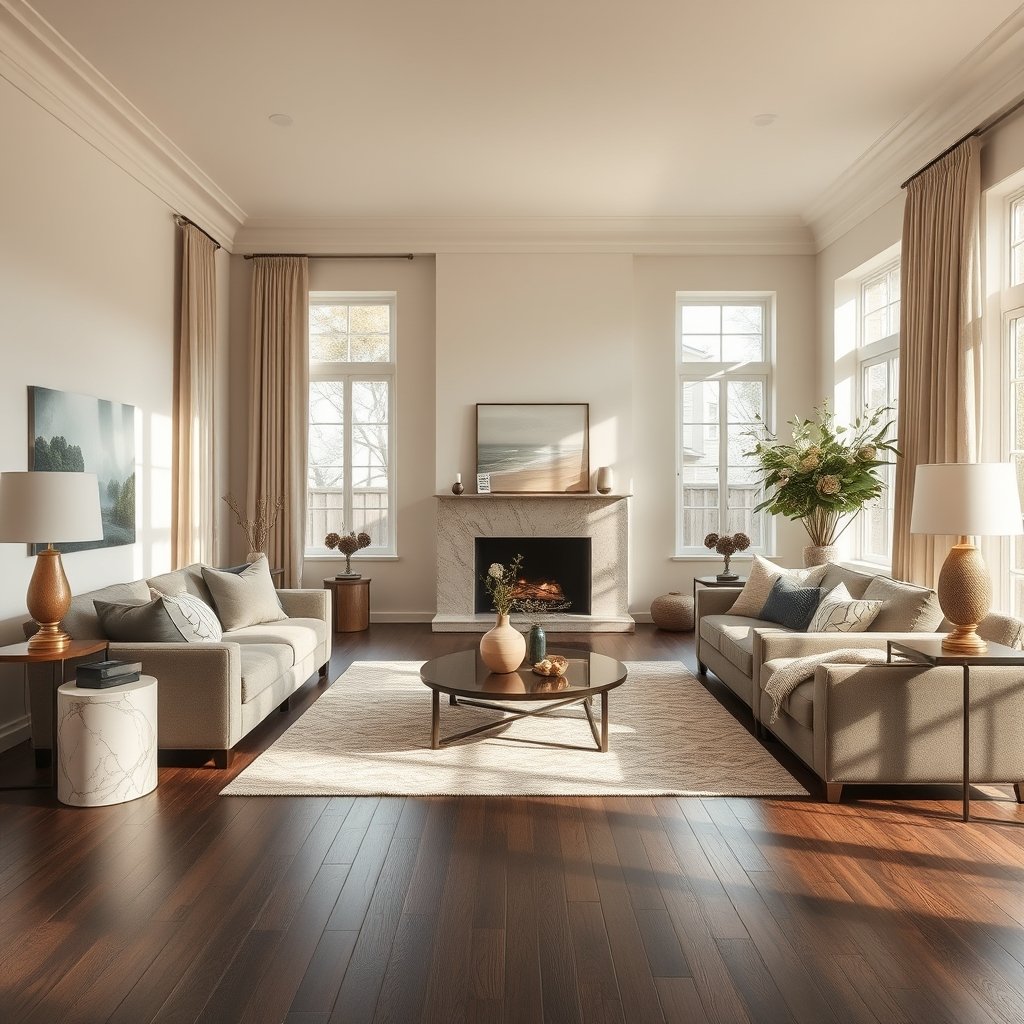
Step-by-Step: How to Achieve Quiet Luxury at Home
Ready to make understated elegant home decor a reality—without draining your savings? Use these evidence-backed steps, rooted in real market trends, to create a high-end minimalist home that stands the test of time and taste.
1. Audit What You Have, Set a Realistic Budget
Inventory your existing pieces. Hold onto anything made of real wood, metal, or stone—these can provide a “core” of understated elegant home decor. The average US homeowner spends $1,598 per year on decor, so plan spending accordingly. If full-room upgrades aren’t possible, target quick wins: art, throws, vases, or accent chairs.
2. Invest in Fewer, Better Pieces
Quiet luxury interior design isn’t about maximalism. Allocate your biggest spend to things you touch daily, such as a quality sofa or solid table. Skip trend-driven items and prioritize timeless shapes and tactile finishes.
3. Work Your Palette: Paint & Texture
There are no “official” quiet luxury paint colors in 2024, but designer-backed advice leans dark, moody wood paneling or stone-adjacent neutrals (cream, taupe, charcoal). For budget impact, repaint trim in soft whites and add textile layers through wool throws, velvet pillows, and linen curtains.
4. Source Smart: Where to Shop and How
Mainstream stores like Pottery Barn, West Elm, and Crate & Barrel remain reliable for basics and occasional sales—though ticket prices are climbing, so check for floor model discounts or “open box” finds. Augment with vintage, local artisans, or vintage-modern pieces from specialized consignment shops to avoid mass-produced sameness. Don’t miss our resource on where to find the best furniture sales.
5. Mix Investment With Budget Finds: Layer for Depth
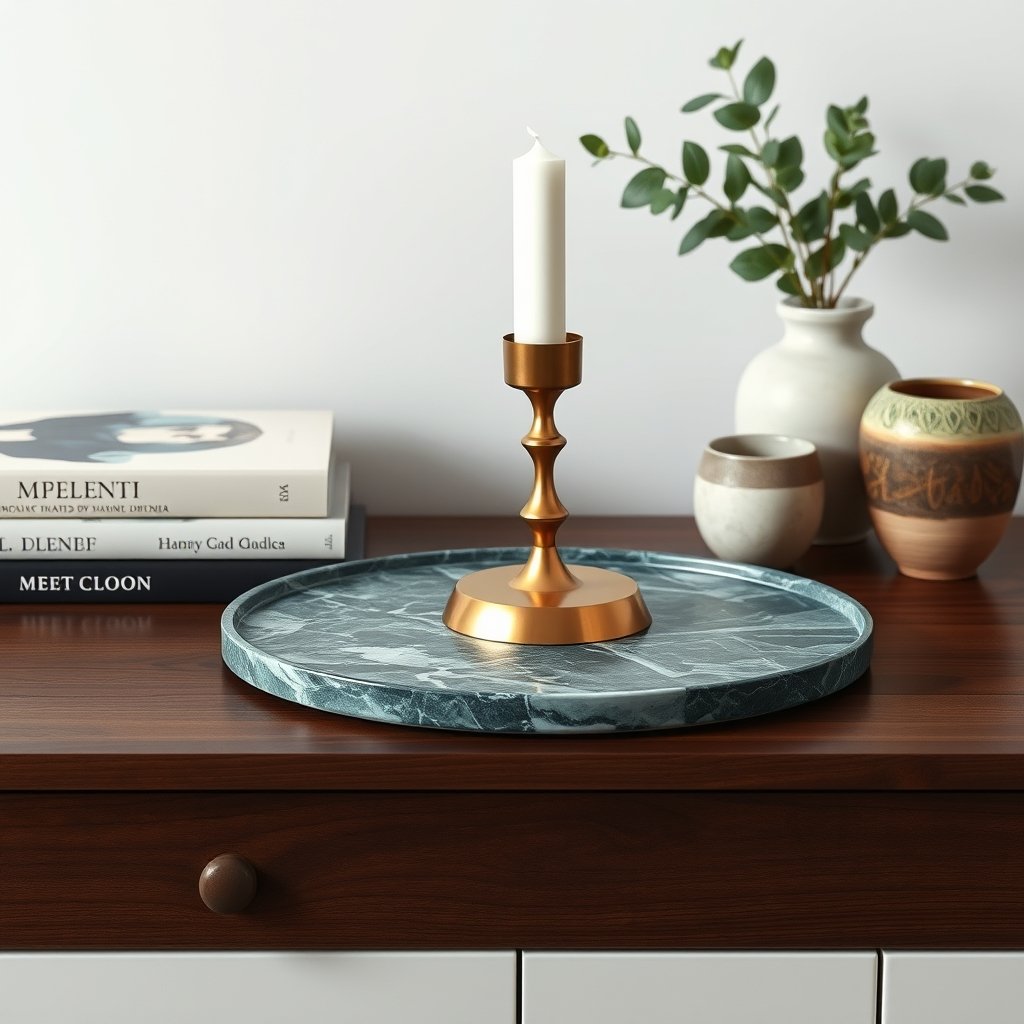
Combine an eye-catching marble vase or antique object with crisp, inexpensive linens. Repurpose older furniture with new hardware or custom paint—see our guide on refinishing furniture for a luxury look.
6. Curate Over Time, Not All At Once
Quiet luxury is the enemy of instant gratification. Let your home breathe and evolve; collect pieces gradually, focusing on value and personal history. This not only saves money but creates an “old money home aesthetic” that feels lived-in and unique.
7. Avoid Common Budget Pitfalls
Don’t chase brand names for every detail. Many high-end minimalist homes pair luxury investments (a sofa, a rug) with budget lighting or DIY upgrades.
Need inspiration? Our ultimate living room ideas will help you visualize a mix of modern and heritage details.
Example Budget (Living Room)
- Couch or main seating: $800–$1,800 (for top-tier quality, consider secondhand high-end brands)
- Accent table: $250–$600
- Paint/wall panel upgrades: $250–$400
- Accessories & textiles: $200–$400
- Total (typical): $1,600–$3,200, but you don’t need to buy all at once
Millennials, in particular, spend 23% more than Boomers on home decor, underscoring the need to balance quality with spending discipline [source].
Advanced Analysis & Common Pitfalls
Even style pros fall into traps when chasing quiet luxury home decor. Here’s what to watch:
| Pitfall | Reality Check | How to Avoid |
|---|---|---|
| Overspending on labels | Price premiums don’t guarantee durability or style longevity—many buyers regret paying up for logo-driven goods. | Vet craftsmanship over brand; shop secondhand or at outlets. |
| Ignoring value retention | Trendy decor can plummet in resale worth—think “it” chairs or celebrity collabs with little substance. | Invest in timeless materials like marble, wood, unlacquered metals. |
| Skipping the personal touch | Copy-pasting social media looks leads to rooms that feel generic, not lived-in. | Layer in vintage, handmade, or sentimental pieces. |
| Falling prey to “instant transformation” marketing | True quiet luxury interior design evolves, curation beats “fast home” strategies. | Pace purchases, trust your long-term vision. |
Actual consumer regret data is scarce, but market research shows that economic pressures in 2024 are pushing people toward safer, smaller upgrades—especially as luxury furniture prices remain high.
For more on optimizing your budget, don’t miss our guide to cost-effective home upgrades that really last.
Conclusion
Quiet luxury is less about perfection—and more about consciously selecting enduring materials, making savvy investments, and letting your home evolve with confidence. As budgets tighten, it’s smarter than ever to pursue quiet luxury home decor through gradual upgrades and authentic personal touches. The understated, high-end minimalist home is achievable for those who shop with intention, not impulse. Ready to start? Audit your space, set your plan, and begin the transformation today.
Want more tailored tips or companion guides? Contact us for personalized advice or head to our high-end paint color guide for palette inspiration.
FAQ
What materials define the quiet luxury aesthetic?
Look for real marble, solid woods (especially dark or richly grained), unlacquered metals, high-quality wool, and linen. Pick pieces with lasting craftsmanship rather than chasing flashy logos or trends.
Can I achieve an old money home aesthetic on a modest budget?
Yes—prioritize one quality feature per room (like a hand-knotted rug or vintage mirror), mix with thrifted finds, and invest in textiles or paint for big impact with less cost.
Which paint colors work best for quiet luxury in 2024?
No official color codes for 2024, but designers favor rich, dark wood paneling or neutral paints in creamy, earthy tones. Focus on textural contrast and avoid stark whites.
How much should I plan to spend for a quiet luxury living room?
Expect $1,600 to $3,200 for a balanced upgrade—but you can build the look over several years. Focus your budget on high-contact items first and mix in antiques or budget-friendly accents.
Where are the best places to shop for quiet luxury home decor?
Start with Pottery Barn, West Elm, or Crate & Barrel for basics, but dig into vintage sources, artisan crafts fairs, and high-end consignment for the true, lasting treasures.