

Smart electrical panel upgrades are quickly reshaping how homeowners control, manage, and future-proof their homes—especially as electric vehicles become common and energy costs rise.
Key Takeaways
- Span smart electrical panels cost more upfront than traditional panels, but often save thousands by avoiding major service upgrades for EV charging and solar integration.
- Real-time energy monitoring, load prioritization, and app control help users optimize usage, extend battery backup, and streamline EV charging without boosting electrical service.
- Installations can be complex and variable—always work with a certified installer for accurate quoting and future-proof system design.
- What Is a Smart Electrical Panel and Why Consider Upgrading?
- Span Smart Panel Cost Breakdown Compared to Traditional Panel Upgrades in 2024
- Energy Savings and Load Management Benefits After Switching to Span
- How Span Smart Panel Manages EV Charging Load Differently From Traditional Panels
- Installation Challenges and Technical Considerations for Span Panels
- Missing Insights in Competitor Content That Homeowners Should Know
- Overview of Intelligent Electrical Panels in 2025: Specs and Compatibility
- ROI and Case Studies: Is Upgrading to a Span Panel Worth It for EV Owners?
- Conclusion
- FAQ
What Is a Smart Electrical Panel and Why Consider Upgrading?
At its core, a smart electrical panel is a home energy hub that gives homeowners advanced control and insight into every circuit—right from a smartphone app. Unlike a traditional breaker panel, which is passive and static, a smart breaker panel home setup actively monitors energy use in real time. The biggest shift is how these panels—like the Span smart electrical panel—allow for circuit-level control, automated load management, integration with solar and battery backup, and readiness for electric vehicle charging. In side-by-side smart electrical panel vs traditional comparisons, the advantages quickly become clear: smart panels turn a simple switchboard into a flexible, intelligent platform that can help avoid expensive electrical service upgrades or rewiring projects.
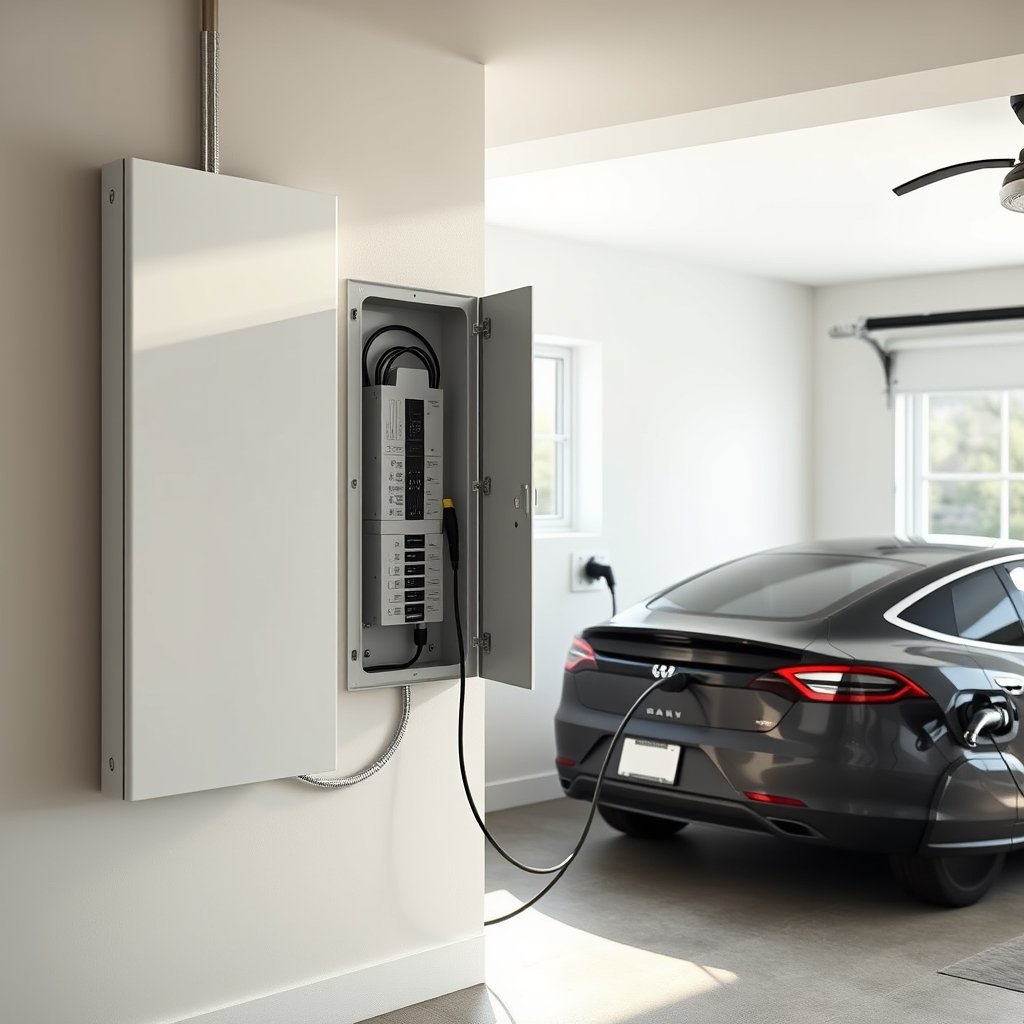
Key features like Span’s app-based monitoring let you see and control appliances, rooms, or your entire home instantly. Need to prioritize your home office during an outage, or manage EV charging overnight? With a smart panel, it’s a few taps away. Traditional breaker panels simply can’t offer these capabilities, making smart upgrades an increasingly popular move for energy-conscious homeowners and those wanting to prepare for the future.
Span Smart Panel Cost Breakdown Compared to Traditional Panel Upgrades in 2024
One of the most common questions is about Span smart panel cost versus upgrading to a standard breaker panel in 2024. Let’s break it down clearly:
- Span smart electrical panel equipment costs: typically $2,550–$4,100 depending on model size (e.g., MAIN 32 costs $3,500; MAIN 40 costs $4,100; MLO 48 costs $3,850).
- Installation, labor, breakers, accessories, and permits: Plan for $2,000–$4,500, plus $300–$500 in permit fees, depending on project complexity and local rates.
- Total installed Span panel cost: expect $6,500–$9,000 all-in for most homes. Some basic installs may approach $6,000 if minimal work is needed, while highly complex upgrades can reach up to $10,000 if service upgrades or multiple sub-panels are required (Source | Source).
- Traditional panel upgrade prices: usually $800–$2,000 for equipment, and $3,200–$6,500 installed (Source).
- Bottom line: The Span smart panel is typically 2–3 times more expensive than a basic upgrade. However, for many homes—especially those considering future EVs or solar—the costs often even out when you factor in avoided service upgrades and new underground lines.
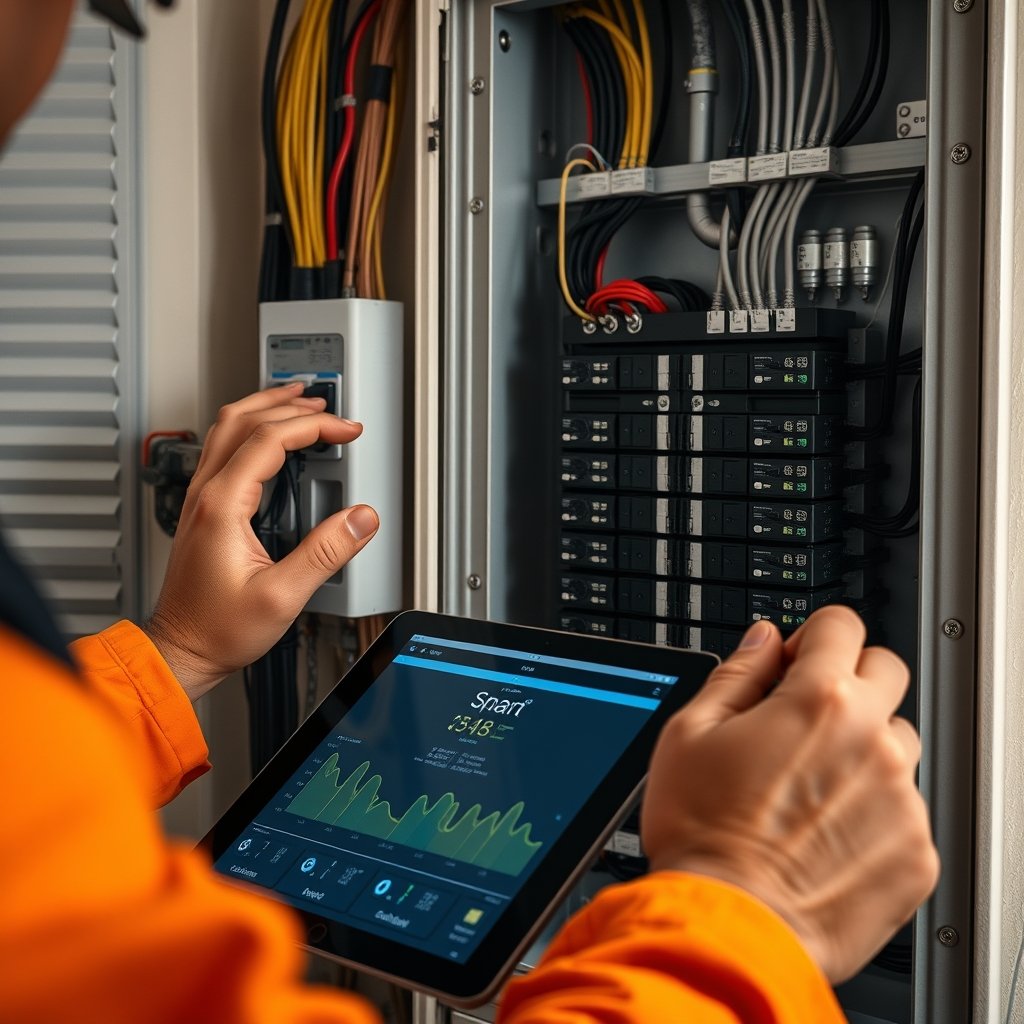
For an apples-to-apples comparison with other smart panels, note that systems like Lumin only smarten 12 circuits for $2,500–$5,000 and require you to keep your old panel. Span replaces your entire panel and smartens up to 48 circuits, which often makes it the more cost-effective choice for homes planning big electric upgrades.
For a deeper dive into system compatibility and accessory costs, visit our Span Panel Models & Accessories Guide.
Energy Savings and Load Management Benefits After Switching to Span
When you switch to a smart electrical panel like Span, you unlock several efficiency and cost-saving options unavailable with standard breakers:
- Real-time energy monitoring: See current and historical usage by room, device, or circuit and get actionable insights in the app. Identify high-use appliances and optimize your home (Real-time energy monitoring).
- Smart load management for EV and appliances: Prioritize essential circuits during power outages, reduce peak consumption, and manage backup battery runtime more effectively. This integrated load shedding means you only provide backup power to what you choose, extending how long batteries last in an outage.
- Solar and battery integration: Span panels connect directly to modern solar and battery systems, letting you optimize how generated and stored energy flows to main and sub-panels in real time.
- Service upgrade avoidance: By dynamically shifting loads and avoiding overloads, many Span users can add EV charging or expansions without increasing their main panel’s capacity—saving thousands of dollars plus avoiding construction headaches (Source).
Real reports from homeowners show that smart electrical panels reduce the need for costly electrical service increases, streamline future EV charger installs, and help keep bills in check. You’ll also have more insights to inform upgrades like home battery systems, solar, or whole-home backup power—see our articles on solar battery backup ROI and EV installation cost savings for more details.
How Span Smart Panel Manages EV Charging Load Differently From Traditional Panels
Smart panel load management for EV charging is a major reason many homeowners invest in a Span panel. Here’s why it’s different:
- Dynamic power distribution: Traditional panels have breakers set at fixed capacities, so plugging in a Level 2 EV charger might trip the panel and force a costly upgrade. Span’s system senses total demand and shifts enough capacity to your EV charger as needed, without overloading the main service.
- App-based, circuit-level control: Easily schedule or prioritize charging alongside other household appliances. This means you can run your washer, dryer, and EV charger together without manual load balancing or risking a shutdown.
- No expensive service upgrades: By smartly managing your existing 100A or 150A service, Span often lets you avoid a utility capacity upgrade—a process that may cost $18,000+ and involve trenching underground power lines (Source).
Other smart devices like Lumin or Savant only offer partial coverage (just 12 circuits or a few modular add-ons). Span is unique in providing a complete, code-compliant smart breaker panel home solution, with every circuit individually controllable (Source). This whole-home approach is especially useful if you plan to expand to heat pumps or induction ranges down the road.
For further reading, check out our guides to Adding EV Charging Without a Utility Upgrade and Modern Electrical Panel Planning.
Installation Challenges and Technical Considerations for Span Panels
While the technology itself is robust, Span panel installation brings its own set of challenges and variables:
- Variability in labor and complexity: Labor costs run from $2,000 to $4,500 or more, based on your electrical setup, panel location, and local market. Older or unique homes may require sub-panels or additional line work.
- Permitting and inspection delays: Most jurisdictions will require $300–$500 in permits, and timelines can stretch if inspections are delayed or paperwork is rejected.
- Panel and circuit limitations: For homes with more than 32 circuits, an additional sub-panel may be needed. Accessories like the Remote Meter Kit (Enphase-compatible, $795) can add to both hardware and labor requirements.
- Supply chain and parts availability: Some regions have experienced delays in Span panel shipments or breaker compatibility, though these are less severe in 2024 than previous years.
- certified installer required: Using experienced, Span-approved electricians is strongly advised to ensure warranty coverage and proper commissioning. Mistakes or shortcuts can cause ongoing reliability issues.
- Long-term servicing: Some homeowners are concerned about future replacement cost or repairability, as smart electrical panel tech is still new compared to traditional breakers.
| Factor | Span Smart Panel | Traditional Panel |
|---|---|---|
| Equipment Cost | $2,550–$4,100 | $800–$2,000 |
| Installed Cost | $6,500–$9,000 | $3,200–$6,500 |
| EV Charging Solution | Dynamic, no service upgrade needed | Often requires costly upgrade |
| Home Energy Monitoring | Real-time, app-based | None without additional monitors |
| Installation Difficulty | Moderate to complex | Simple to moderate |
| Future-Proofing | Excellent for solar/EV/backup | Limited without major retrofit |
Before committing, talk to a local Span installer and request a full site audit—they’ll evaluate your home’s circuits, potential accessory needs, and give you an itemized estimate. For real-life tips and installation plan ideas, see our Electrical Panel Installer Checklist.
Missing Insights in Competitor Content That Homeowners Should Know
Many reviews and comparison sites gloss over crucial details when evaluating Span smart panel cost and system planning. Here’s what they tend to leave out:
- Detailed MSRP by Span model: For example, MAIN 16 retails for $2,950, MAIN 32 for $3,500, Drive EV accessory for $750, and the Remote Meter Kit (for Enphase battery integration) for $795 (Source).
- Underground service upgrade avoidance: Real case studies show homeowners saving $18,000 or more by skipping new power lines when adding Level 2 EV chargers—something no competitor solution offers as directly (Source).
- Sub-panel scenarios and accessory requirements: Homes with more than 32 circuits almost always need a sub-panel; not every model includes support for all battery or solar providers out of the box.
- No one-size-fits-all sizing: Span’s intelligent electrical panel 2025 lineup expands options, but you’ll need to fit your system to your home’s specific needs, not just pick the biggest available.
To ensure you’re not missing hidden costs, see our Guide to Hidden Costs in Panel Upgrades.
Overview of Intelligent Electrical Panels in 2025: Specs and Compatibility
Looking ahead, intelligent electrical panels in 2025—like the Span lineup—keep pushing more flexible options with a focus on broader adoption for all electric homes, not just those with solar. While there have been no major model launches this year, the standard lineup now covers:
- MAIN series (16 / 24 / 32 / 40 circuits, 200A main breaker) and MLO 48 (48 circuits): All controlled via a powerful app interface.
- Accessory modules: Drive ($750) for advanced EV load management, along with Remote Meter Kit for Enphase battery monitoring.
- Requires certified installation: Ensures safety and leverages full functionality—no DIY allowed for warranty or insurance.
- App compatibility & integration: Works with most major solar and battery storage systems; some models need optional kits for full integration (Source).
- Market direction: Expect more panel shapes and sizes at lower costs in the next 1-2 years, aimed at electrifying mainstream homes, including apartments and retrofits (Source).
For technical details and direct compatibility checks, visit the manufacturer’s online configurator or read our Intelligent Electrical Panels 2025 Buyer’s Guide.
ROI and Case Studies: Is Upgrading to a Span Panel Worth It for EV Owners?
Is investing in a Span smart electrical panel actually worth it, especially for EV drivers? The numbers stack up for many—especially once you factor in the cost to upgrade your home’s electrical service for higher loads or EV charging.
- Case study highlight: In San Luis Obispo, a homeowner avoided $18,000+ of utility upgrade costs for a Level 2 EV install by using Span’s dynamic load management, leveraging their existing underground service (Source).
- General ROI drivers: Sidestepping panel or service upgrades, fast-tracking solar/EV integration, and using real-time monitoring to shift usage away from expensive peak-demand periods.
- No fixed payback period— ROI depends on your local rates, installation complexity, and whether you’d otherwise be forced by code to pay for a service upgrade.
- Additional soft value: Future-proofing for heat pumps, solar batteries, backup generators, and more.
For those planning major electrical upgrades or EV/solar adoption, a Span smart panel cost is often offset within 1–3 years simply by avoiding a utility upgrade. Meanwhile, continuous energy monitoring can save hundreds annually by optimizing use. Get more perspectives from our EV Owner Smart Panel Reviews & Cost Savings roundup.
Conclusion
Switching to a smart electrical panel in 2024 gives homeowners real energy control, prepares your home for growing EV and solar adoption, and often pays for itself by avoiding expensive electrical service work. While the Span smart panel cost can be higher up front, it frequently proves a smart investment—especially if your home is due for an upgrade or you’re planning to electrify. Always get local quotes from certified installers and factor in total future savings before making your decision.
Ready to upgrade your home’s intelligence and unlock future-proof savings? Find a certified Span Smart Panel installer near you and take the next step today!
FAQ
How much does a Span smart electrical panel cost by model?
As of 2024, the MAIN 16 costs $2,950, MAIN 32 costs $3,500, MAIN 40 costs $4,100, and the MLO 48 is about $3,850 before installation. Accessories like Drive (for advanced EV load management) are $750 each. Total installed cost ranges $6,500–$9,000.
Will I need a service upgrade to add EV charging with Span?
In most cases, no. Span’s dynamic load management often lets you add Level 2 EV chargers without increasing your main electrical service, saving thousands in utility or construction fees.
Who should install my Span smart electrical panel?
Always use a licensed, Span-certified installer. This ensures both electrical code compliance and warranty protection. DIY installs are not allowed.
What are the main downsides or risks of installing a smart electrical panel?
Primary concerns include higher upfront costs, possible need for sub-panels in large homes, reliance on long-term manufacturer support, and the need for occasional firmware/app updates. Installation timelines can also stretch due to permitting or local labor shortages.
What if my home has complex circuits or old wiring?
Older homes or systems with more than 32 circuits may need a sub-panel and more detailed planning. Complex setups can add $1,000+ to installation costs. Get a site-specific quote from an experienced installer.