

Painted tree closure shocked small business vendors, shoppers, and the retail industry with an abrupt, total shutdown of all Painted Tree Boutiques across the United States in April 2026. Without substantial warning or public statements, the chain’s demise unraveled overnight, upending communities and leaving hundreds searching for answers.
Key Takeaways
- All 61-62 Painted Tree Boutiques nationwide closed on April 13-15, 2026, with minimal notice to vendors and shoppers.
- Little official information was offered beyond a brief explanation citing costs and market change, leaving vendors and employees in the dark.
- Impacts are severe for small businesses and highlight the critical importance of contract clarity and business diversification.
- Painted Tree Closure: What Happened and Which Locations Are Shutting Down?
- Reasons Behind the Painted Tree Boutiques Shutdown
- Impact on Vendors and Small Businesses
- Missing Information: Employee Layoffs, Vendor Contracts, and Customer Loyalty
- Painted Tree’s Business Model and Financial Troubles
- What the Painted Tree Closure Means for Vendors and Shoppers Moving Forward
- FAQs
Painted Tree Closure: What Happened and Which Locations Are Shutting Down?
Painted Tree Boutiques, once known for their sprawling vendor-driven retail spaces, abruptly shuttered every location nationwide in mid-April 2026. As of April 13—the last day stores operated—all 61 or 62 Painted Tree locations, including major presences in Texas (Frisco, Grapevine, Highland Village, Lewisville, Mansfield, North Richland Hills), Austin, San Antonio, Tyler, Houston, and Bloomingdale, Illinois, ceased operations within 24 to 48 hours. News broke through late-night emails and texts, directing vendors and shoppers to rushing store closures with virtually no public warning. This process resulted in immediate confusion and shock, as many vendors discovered the painted tree store updates at the same time as the general public.
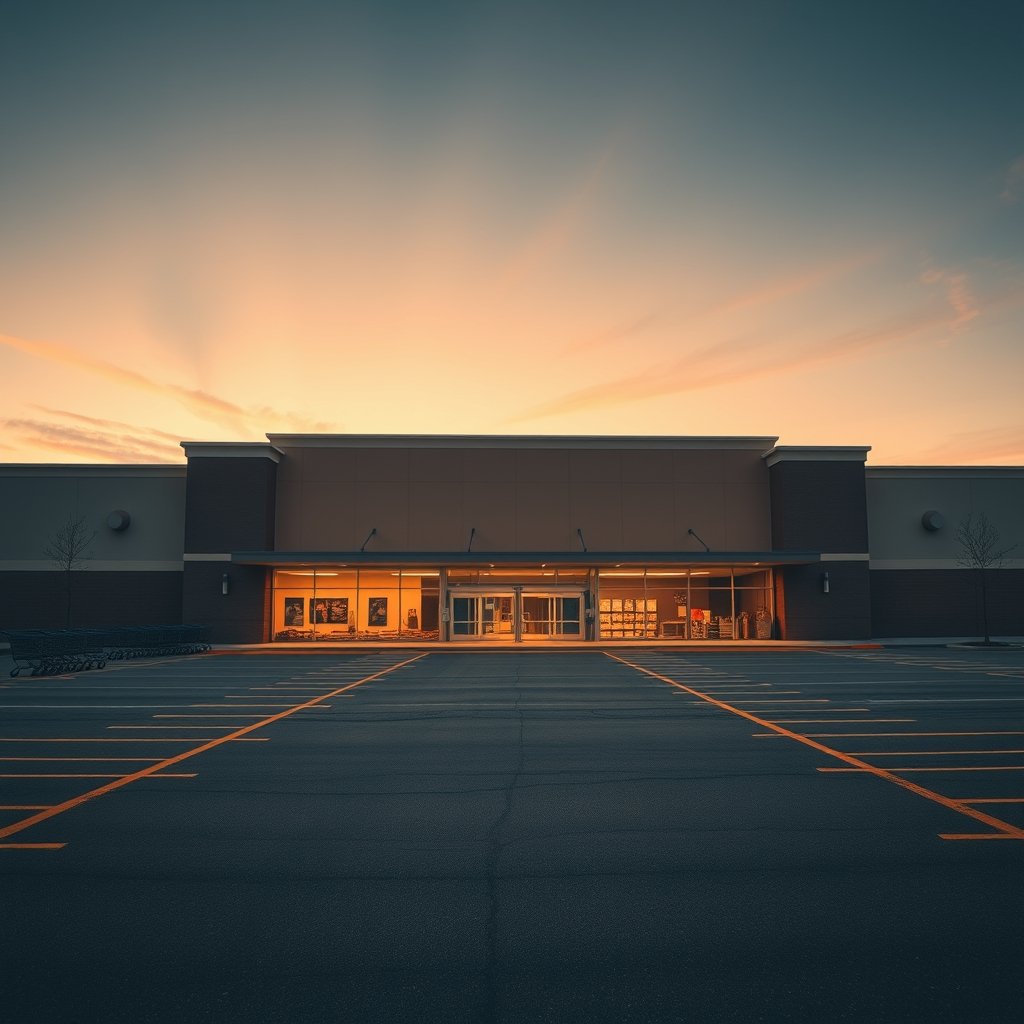
Instructions to reclaim merchandise by April 24, 2026, unfolded frantically. There was no prior indication of franchise trouble—some locations even ran normal promotions that week. The chain’s immediate, synchronized shutdown across the country stunned small business vendors relying on Painted Tree for income and customer traffic.
For a timeline and details specific to each location, see Painted Tree locations closing and this CBS News Texas recap for region-by-region breakdowns.
Reasons Behind the Painted Tree Boutiques Shutdown
The company issued scant explanation for its national closure, only referencing “rising costs, shifting market conditions, the changing retail landscape, and changes in consumer shopping behavior” in internal vendor communications. There were no significant press releases or public statements in 2023 or 2024, contributing to growing uncertainty. For many small vendors, this silence made the ultimate news even more jarring.
According to Fox5DC’s report, vendors were blindsided despite the chain’s recent expansion efforts and social media promotions right up to closure week. Without hard numbers on store profitability or a transparent cost breakdown, many left wondering if deeper operational or leasing troubles—such as steep rent on converted big box stores—forced Painted Tree’s hand.
For a broader perspective, we recommend checking related coverage in painted tree shutdown news and monitoring painted tree business status for similar market warning signs elsewhere.
Impact on Vendors and Small Businesses
The overwhelming response from hundreds of small business owners was one of frustration and financial anxiety. Many claimed they received no advance notice of the painted tree closure. Vendors who paid for booth rentals days before the closure were left scrambling, with some investing thousands in inventory or custom displays they now had only ten days to reclaim. This real-world impact is a harsh reminder of the risks involved in retail partnership agreements lacking adequate protections.
The closure left many without a primary source of income, especially those who built brands exclusively around Painted Tree’s customer base. Some vendors reported confusion about their rights, while others rushed to salvage unsold stock.

For more guidance on recovery, check our painted tree business status resource and our guide to painted tree store updates for parallel support scenarios. Vendors are also encouraged to explore painted tree franchise news for options with similar retail collectives.
Missing Information: Employee Layoffs, Vendor Contracts, and Customer Loyalty
Despite widespread media reports, major questions remain. Most coverage, including this 2News article, focused heavily on vendor impacts—yet the exact fate of Painted Tree’s employees is unclear. There’s little public information about the scale and terms of layoffs, any possible severance, or support for displaced staff.
Equally troubling: the specifics of how vendor contracts will be resolved. Are vendors owed unpaid commissions? Will booth fees be prorated? These critical questions have not been answered by Painted Tree leadership as of April 2026.
As for customer loyalty, there was no mention of store credit, refunds, or ongoing support for shoppers with outstanding issues. The company’s social media remained silent after the closure became public, adding to the air of uncertainty. If you are a customer seeking updates, visit painted tree store updates for the most recent verified news.
Painted Tree’s Business Model and Financial Troubles
Founded in 2015, Painted Tree expanded rapidly by leasing large-format warehouse spaces—often repurposed from defunct big box stores like Bed Bath & Beyond. The chain’s “shared retail” model was simple: individual vendors rented booth space, sometimes on a commission-plus-rent basis, providing a micro-franchise feeling without traditional store overheads.
But this expansion appears to have outstripped demand. After growing to over 60 locations, financial difficulties intensified. Painted Tree filed for Chapter 7 bankruptcy protection in April 2026, indicating asset liquidation rather than reorganization. This is a key distinction—Chapter 7 usually means no “second chance.” For more on retail bankruptcy differences, see painted tree business status.
Observers cite rising rent costs on large footprints, hyper-competitive online shopping, and unpredictable consumer habits as critical threats. The retail landscape has proven devastating for other similar models, underlining the importance of contract clarity, backup sales channels, and staying agile in the face of shifting market dynamics.
What the Painted Tree Closure Means for Vendors and Shoppers Moving Forward
With every Painted Tree location permanently closed and no further corporate updates as of April 2026, all affected parties face tough short-term decisions. Vendors are advised to promptly remove their inventory before any bankruptcy asset lock-down, and to seek legal counsel for contract settlement queries. Lessons for similar businesses are stark: diversify income streams, evaluate venue contracts in detail, and keep close tabs on any painted tree shutdown news or sudden operational changes.
Shoppers looking for local artisan goods may need to turn to standalone small businesses, local pop-ups, or online maker marketplaces. Communities who valued the Painted Tree model should watch for independently run collectives or explore alternative local markets supporting painted tree franchise news and similar cooperative retail setups.
| Issue | Painted Tree Reality | Best Practice for Vendors |
|---|---|---|
| Closure Notice Period | Zero notice to most vendors | Negotiate contracts with written notice requirements |
| Inventory Return | 10-day pickup window | Keep offsite inventory list up to date |
| Contract Resolution | No public info; contract confusion | Review legal recourse and seek collective mediation |
| Employee Support | Undisclosed layoff details | Request written HR communications and severance details |

Conclusion
The swift painted tree closure offers essential lessons about risk, preparation, and resilience for vendors, shoppers, and franchise entrepreneurs. Clarity in contracts, diversification, and real-time risk assessment have never been more critical. Stay vigilant for industry updates, share your experience with local business groups, and review your retail partnerships closely. If you were impacted by the painted tree closure, act quickly to secure your assets and connect with others navigating the aftermath—your next steps matter.
FAQs
Which Painted Tree locations closed?
All 61-62 Painted Tree boutiques nationwide closed, including major Texas sites (Frisco, Grapevine, Highland Village, Lewisville, Mansfield, North Richland Hills), Austin, San Antonio, Tyler, Houston, and Bloomingdale, Illinois.
What was the official reason for the Painted Tree shutdown?
The company cited “rising costs, shifting market conditions, the changing retail landscape, and changes in consumer shopping behavior” as the primary reasons, but provided few details.
Were vendors or employees given advance notice?
Most vendors reported no prior notice. Employees also did not receive clear communication; the closures proceeded within 24 to 48 hours of notification.
How can vendors recover losses from the closure?
Vendors should immediately retrieve any remaining inventory, review their contracts for termination clauses, and consult an attorney about possible claims in the ongoing bankruptcy process.
Are there any options for Painted Tree customers to get refunds or store credit?
No official refund or store credit policy has been announced. Customers are encouraged to monitor painted tree store updates for any developments.